Are you spending money on your home and still feeling unhappy with the results? You are not alone. Common interior design mistakes trip up even the most eager homeowners. Poor planning, wrong furniture scale, and bad lighting choices drain budgets fast. These common interior design mistakes are easy to make but hard to fix later.
At Brown Interiors, we have helped Houston-area homeowners avoid costly design errors for over 30 years. Our team offers full-service interior design and home decor solutions that save you time and money. Common interior design mistakes often come from skipping the planning stage. So, read on. This guide shows you exactly what to avoid and how to get your home right the first time.
1. Common Interior Design Mistakes with Space Planning
2. Furniture Scale and Layout Design Errors
3. Common Interior Design Mistakes with Color
4. Lighting Failures That Hurt Your Design
5. Common Interior Design Mistakes with Accessories
Common Interior Design Mistakes with Space Planning
Space planning is the base of every great room. Yet it is one of the most common interior design mistakes homeowners make. They skip the planning step and jump straight to buying furniture. Then they wonder why the room feels wrong.
Good space planning means knowing your room’s exact size. It means mapping traffic flow. It means deciding where people will sit, walk, and gather. Without this step, common interior design mistakes pile up fast. You end up with blocked doorways and cramped corners.
According to Harvard’s Joint Center for Housing Studies, poor home planning leads to costly renovations. Most homeowners spend 20-30% more when they skip the design phase. So, plan first. Buy second.
Why Skipping Floor Plans Costs You
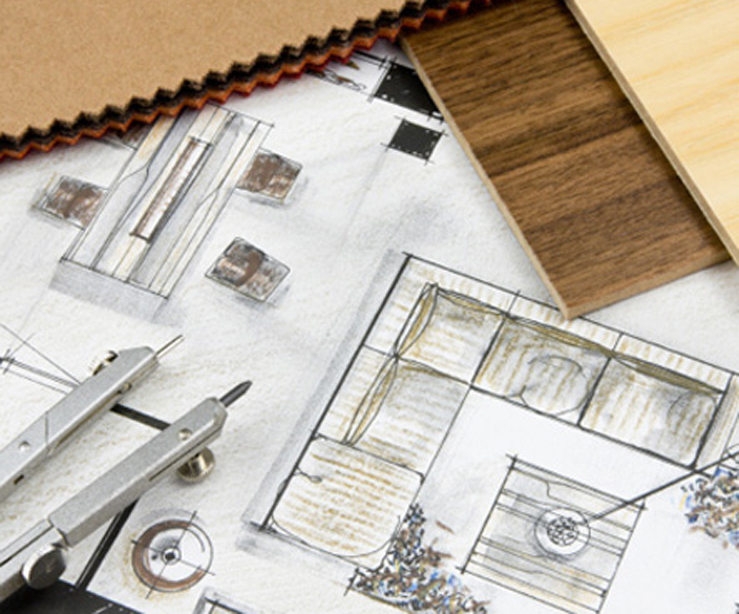
A floor plan is your design road map. Without it, you are guessing. And guessing leads to common interior design mistakes that cost real money.
Many homeowners buy a sofa they love in the store. But it does not fit through the front door. Or it blocks the fireplace. These are classic design errors. A simple floor plan sketch prevents all of this.
At Brown Interiors, our designers create detailed space planning drawings for every project. We map furniture placement before you spend a single dollar. This step alone saves clients hundreds — sometimes thousands — in returns and replacements.
So, grab a tape measure. Sketch your room. Note every door, window, and outlet. Then plan your furniture around the space — not the other way around.
Traffic Flow and Room Function Errors
Traffic flow is how people move through a room. It is one of the most overlooked design elements. Common interior design mistakes here include placing furniture in natural walkways.
You need at least 36 inches of clear path in main traffic areas. Seating areas need 18 inches between a sofa and coffee table. These are basic design rules. But many homeowners ignore them.
Also, think about room function. A living room that doubles as a home office needs a different layout than a pure relaxation space. Design errors happen when you do not plan for how you actually use the room. So, think about your daily habits first. Then design around them.
Always measure your space before buying anything. Create a simple floor plan that shows traffic flow, furniture placement, and room function. This one step prevents the most common interior design mistakes and saves you from costly returns and redesigns. Plan first, shop second — always.
Furniture Scale and Layout Design Errors
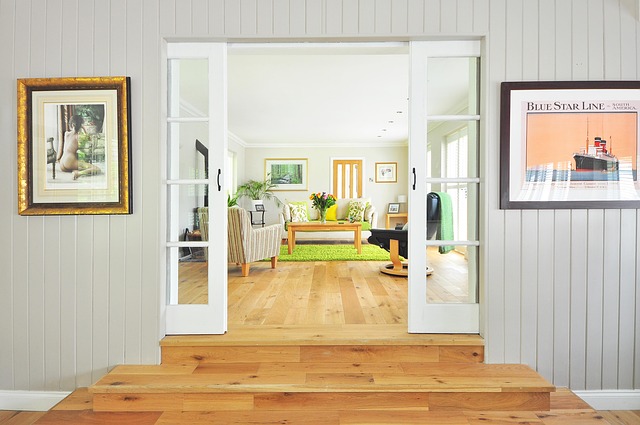
Wrong furniture scale is one of the top common interior design mistakes. A huge sectional in a small room makes the space feel like a cave. A tiny loveseat in a large room looks lost and sad. Scale matters more than style.
Furniture scale means how the size of your pieces relates to the room size. It also means how pieces relate to each other. Common interior design mistakes with scale happen when homeowners fall in love with a piece online. They buy it without checking measurements. Then it arrives and ruins the whole room.
Also, layout errors are common design mistakes. Pushing all furniture against the walls is a classic error. It creates a cold, empty feeling in the center. Good design pulls furniture into the room to create cozy conversation areas.
You can explore real design examples at the Brown Interiors design portfolio to see how proper scale transforms a space.
Choosing the Wrong Furniture Size
Size is everything in furniture selection. Common interior design mistakes with size include buying oversized beds for small bedrooms. The bed takes up all the floor space. You cannot open drawers or walk around comfortably.
For living rooms, your sofa should be about two-thirds the width of the wall it faces. Coffee tables should be about half the length of the sofa. These are simple design rules that prevent costly mistakes.
Also, think about ceiling height. Tall bookcases and armoires work well in rooms with high ceilings. But they overwhelm rooms with standard 8-foot ceilings. So, always measure twice. Buy once.
Layout Mistakes That Shrink Your Space
Layout is how you arrange furniture in a room. Bad layout is one of the most common interior design mistakes. And it is also one of the easiest to fix.
Do not push every piece against the wall. This is the number one layout error. Instead, float your sofa and chairs. Create a central seating group. This makes the room feel warmer and more inviting.
Also, avoid blocking natural light sources. Placing tall furniture in front of windows is a design error that makes rooms feel dark and small. Keep window areas clear. Let light flow in. Your room will feel bigger and brighter instantly.
> “Scale and proportion are the invisible rules of great design. When furniture fits the room perfectly, everything else falls into place naturally. Most homeowners underestimate how much the wrong-sized sofa can throw off an entire space.”
> — Expert Insight from Brown Interiors, Award-Winning Interior Design Team, Pearland TX
Common Interior Design Mistakes with Color Choices
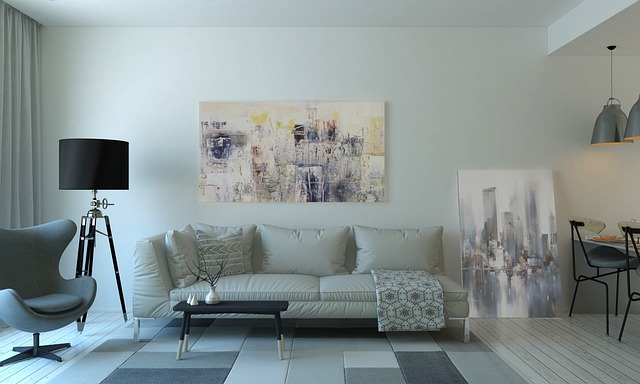
Color is one of the most powerful design tools. It is also the source of many common interior design mistakes. Choosing the wrong paint color is expensive. You have to buy new paint and repaint the whole room. That costs time and money.
Common interior design mistakes with color include picking a color from a tiny paint chip. That chip looks nothing like a full wall of color. Always test paint on a large section of wall first. Live with it for a few days. See how it looks in morning light and evening light.
Another color mistake is ignoring undertones. A white paint can look pink, yellow, or blue depending on its undertone. If your furniture has warm tones, a cool-toned white will clash. These subtle design errors ruin otherwise beautiful rooms.
According to Sherwin-Williams color research, color affects mood and perceived room size significantly. Lighter colors make rooms feel bigger. Darker colors add drama but can shrink a space.
Paint Color Mistakes to Avoid Now
The most common interior design mistakes with paint include choosing trendy colors without thinking long-term. Trendy colors go out of style fast. Then you are stuck with a room that feels dated.
Also, many homeowners paint all four walls the same bold color. This can work in some spaces. But it often makes rooms feel smaller and more intense than intended. A better approach is to use bold color on one accent wall. Keep the other walls neutral.
Another design error is forgetting the ceiling. The ceiling is the fifth wall. Painting it the same color as the walls can make a room feel like a box. A lighter ceiling color adds height and airiness to any room.
Color Coordination and Pattern Errors
Mixing colors and patterns is an art. Common interior design mistakes here include using too many competing patterns. Stripes, florals, and geometric prints all in one room create visual chaos.
A good rule is the 60-30-10 color rule. Use your main color for 60% of the room. Use a secondary color for 30%. Use an accent color for the last 10%. This creates balance and harmony.
Also, avoid matching everything too perfectly. A room where every piece matches exactly looks staged and stiff. Instead, mix textures and tones within the same color family. This creates depth and interest without design errors.
Always test paint colors on a 12×12 inch section of your actual wall. Look at the color at different times of day — morning, afternoon, and evening. Natural and artificial light change how colors look dramatically. This simple step prevents one of the most expensive common interior design mistakes homeowners make.
Lighting Failures That Ruin Interior Design
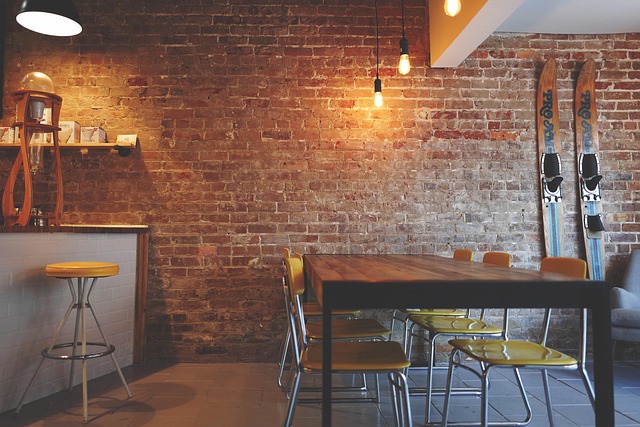
Lighting is the most underrated design element. It is also the source of some of the worst common interior design mistakes. Bad lighting can make a beautifully designed room look flat and uninviting. Good lighting transforms even a simple room into something special.
Common interior design mistakes with lighting include relying on one overhead light source. A single ceiling fixture creates harsh shadows and uneven light. Every room needs three types of lighting: ambient, task, and accent.
Ambient lighting is your main light source. Task lighting helps you do specific activities like reading or cooking. Accent lighting highlights art, plants, or architectural features. Using all three types prevents common design errors and creates a layered, professional look.
The U.S. Department of Energy notes that proper lighting planning also saves energy. LED bulbs and smart lighting systems cut energy costs by up to 75%.
Common Lighting Placement Mistakes
Placement is everything in lighting design. Common interior design mistakes with placement include hanging pendant lights too high. They lose their visual impact and do not light the surface below properly.
Pendant lights over a kitchen island should hang 30-36 inches above the counter. Chandeliers in dining rooms should hang 30-34 inches above the table. These are design standards that prevent costly mistakes.
Also, many homeowners place lamps in corners where they do not help. Lamps should be placed where you actually need light — next to reading chairs, beside beds, and on work surfaces. So, think about how you use each area. Then place light where it serves you best.
Bulb Temperature and Dimmer Errors
Bulb temperature is measured in Kelvins. It is one of the most overlooked design details. Common interior design mistakes here include mixing warm and cool bulbs in the same room. The result is a jarring, inconsistent light that feels wrong.
Warm bulbs (2700-3000K) work best in living rooms and bedrooms. They create a cozy, relaxing feel. Cool bulbs (4000-5000K) work better in kitchens and home offices. They boost focus and energy.
Also, not installing dimmers is a common design error. Dimmers let you control mood and light level. They make one room serve many purposes. A dining room can go from bright for homework to dim and romantic for dinner. Dimmers are a low-cost fix for a high-impact design upgrade.
Never rely on a single overhead light fixture for an entire room. This is one of the most common interior design mistakes that makes spaces feel flat and harsh. Layer your lighting with ambient, task, and accent sources. Add dimmers to every circuit. This simple change transforms how your whole home feels.
Common Interior Design Mistakes with Accessories
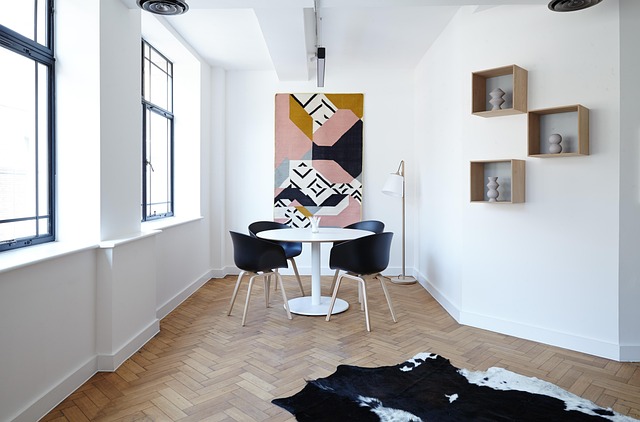
Accessories are the finishing touch of any room. But they are also the source of many common interior design mistakes. Too many accessories create clutter. Too few make a room feel cold and empty. Finding the right balance is key.
Common interior design mistakes with accessories include hanging art too high. Most people hang art at eye level when standing. But the correct height is 57-60 inches from the floor to the center of the artwork. This is the standard used in galleries and museums.
Another design error is using rugs that are too small. A small rug in a large room looks like a postage stamp. It does not anchor the furniture. The front legs of all major seating pieces should sit on the rug. This creates a unified, pulled-together look.
For more design inspiration, check out the Brown Interiors blog for real project examples and styling tips from our team.
Art Placement and Rug Size Mistakes
Art placement is a common interior design mistake area. Hanging art too high is the most frequent error. It disconnects the art from the furniture below. The room feels disjointed and off-balance.
Group smaller pieces together to create a gallery wall. This is more impactful than hanging one tiny piece alone. Use paper templates on the wall before hammering nails. This prevents holes in the wrong places.
For rugs, measure your seating area first. In a living room, choose a rug that fits under the front legs of all sofas and chairs. In a dining room, the rug should extend at least 24 inches beyond the table on all sides. This allows chairs to stay on the rug when pulled out.
Clutter and Over-Decorating Design Errors
Over-decorating is a real design problem. Common interior design mistakes here include filling every surface with objects. This creates visual noise. The eye does not know where to rest. The room feels chaotic instead of curated.
A good rule is to edit ruthlessly. For every item you add, consider removing one. Group accessories in odd numbers — threes and fives look more natural than pairs. Vary the height of objects in a group. Mix textures like wood, metal, and fabric.
Also, avoid buying accessories that have no personal meaning. Generic mass-market decor makes a room feel impersonal. Choose pieces that tell your story. Travel souvenirs, family photos, and handmade items add soul to a space. These details make a house feel like a home.
See how Brown Interiors has transformed real homes by visiting the Mexico House project for a stunning example of balanced, professional accessorizing.
Every common interior design mistake in this guide is fixable. But fixing them after the fact costs more than preventing them upfront. You now know the key design errors to watch for — from space planning and furniture scale to color, lighting, and accessories. Use this knowledge before you spend a single dollar on your next design project. Start with a plan. Test your colors. Layer your lighting. Choose the right rug size. Edit your accessories. These steps alone will transform your home and protect your budget. And when you need expert help, Brown Interiors is ready to guide you every step of the way.
Common interior design mistakes are costly. But they are also very preventable. You now have a clear picture of the top design errors homeowners make. Space planning, furniture scale, color choices, lighting, and accessories — each area has its own traps. And each trap has a clear solution.
The best way to avoid common interior design mistakes is to work with a professional. Brown Interiors has served the Houston area for over 30 years. Our award-winning design team knows exactly what works and what does not. We help you make smart design choices from day one. So, stop guessing and start designing with confidence. Book a design consultation with Brown Interiors today and protect your home investment from costly design errors.
Scale and proportion are the invisible rules of great design. When furniture fits the room perfectly, everything else falls into place naturally. Most homeowners underestimate how much the wrong-sized sofa can throw off an entire space. Getting scale right from the start is the single most impactful thing you can do to avoid common interior design mistakes and create a room that truly works.
The most common interior design mistakes — poor space planning, wrong furniture scale, bad color choices, lighting failures, and accessory errors — are all preventable. Start every project with a detailed plan. Test before you commit. Layer your design elements thoughtfully. And when in doubt, consult a professional interior designer to save time, money, and frustration.
Frequently Asked Questions
What are the most common interior design mistakes homeowners make?
The most common interior design mistakes include poor space planning, wrong furniture scale, bad color choices, and lighting errors. These design mistakes are easy to make but costly to fix. Avoiding them starts with measuring your space and creating a clear plan before buying anything.
How do I avoid common interior design mistakes with furniture scale?
Avoiding furniture scale mistakes starts with measuring your room carefully. Your sofa should be about two-thirds the width of the wall it faces. Always check furniture dimensions before buying. These design steps prevent the most common scale mistakes that make rooms feel cramped or empty.
What common interior design mistakes happen with paint color?
Common paint color design mistakes include choosing colors from tiny chips and ignoring undertones. Always test paint on a large wall section. Live with the color for several days. Check it in different lighting. These steps prevent costly color mistakes that require expensive repainting to fix.
Why is lighting one of the biggest interior design mistakes areas?
Lighting is a major design mistake area because most homeowners rely on one overhead fixture. This creates flat, harsh light. Good design layers ambient, task, and accent lighting. Adding dimmers gives you full control. These lighting choices transform how a room looks and feels every day.
How can a professional help me avoid common interior design mistakes?
A professional interior designer spots common design mistakes before they happen. They create detailed space plans, select the right furniture scale, and choose colors that work in your specific light. Their design expertise saves you money on costly errors and helps you achieve a polished, professional result faster.
Step-by-Step Process
Step-by-Step: How to Avoid Common Interior Design Mistakes
1. Measure your room before buying any furniture
2. Create a simple floor plan showing traffic flow
3. Choose furniture that fits your room’s scale
4. Test paint colors on large wall sections first
5. Plan three layers of lighting for every room
6. Select a rug that anchors all seating pieces
7. Hang art at 57-60 inches from the floor
8. Apply the 60-30-10 color rule throughout
9. Edit accessories — remove clutter ruthlessly
10. Consult a professional designer before major purchases
Quick Reference: What Are Common Interior Design Mistakes?
Common interior design mistakes are design errors that homeowners make when planning or decorating a space. These mistakes include poor space planning, wrong furniture scale, bad color choices, lighting failures, and accessory errors. Each design mistake can make a room feel wrong and cost money to fix. So, knowing these common mistakes upfront helps you avoid them. The most frequent design errors happen when homeowners skip the planning stage and buy items without measuring first. Good design starts with a clear plan. It uses the right scale, color, and light for each space. Avoiding common interior design mistakes saves time, money, and frustration.
Additional Resources
• Interior Design Blog — Brown Interiors — Explore real project stories, design tips, and styling inspiration from the Brown Interiors team in Pearland, TX.
• Design: What We Do — Brown Interiors — Learn about the full range of design services Brown Interiors offers, from space planning to complete home transformations.
• Mexico House Project — Brown Interiors — See a stunning real-world example of professional interior design that avoids common mistakes and achieves beautiful, balanced results.