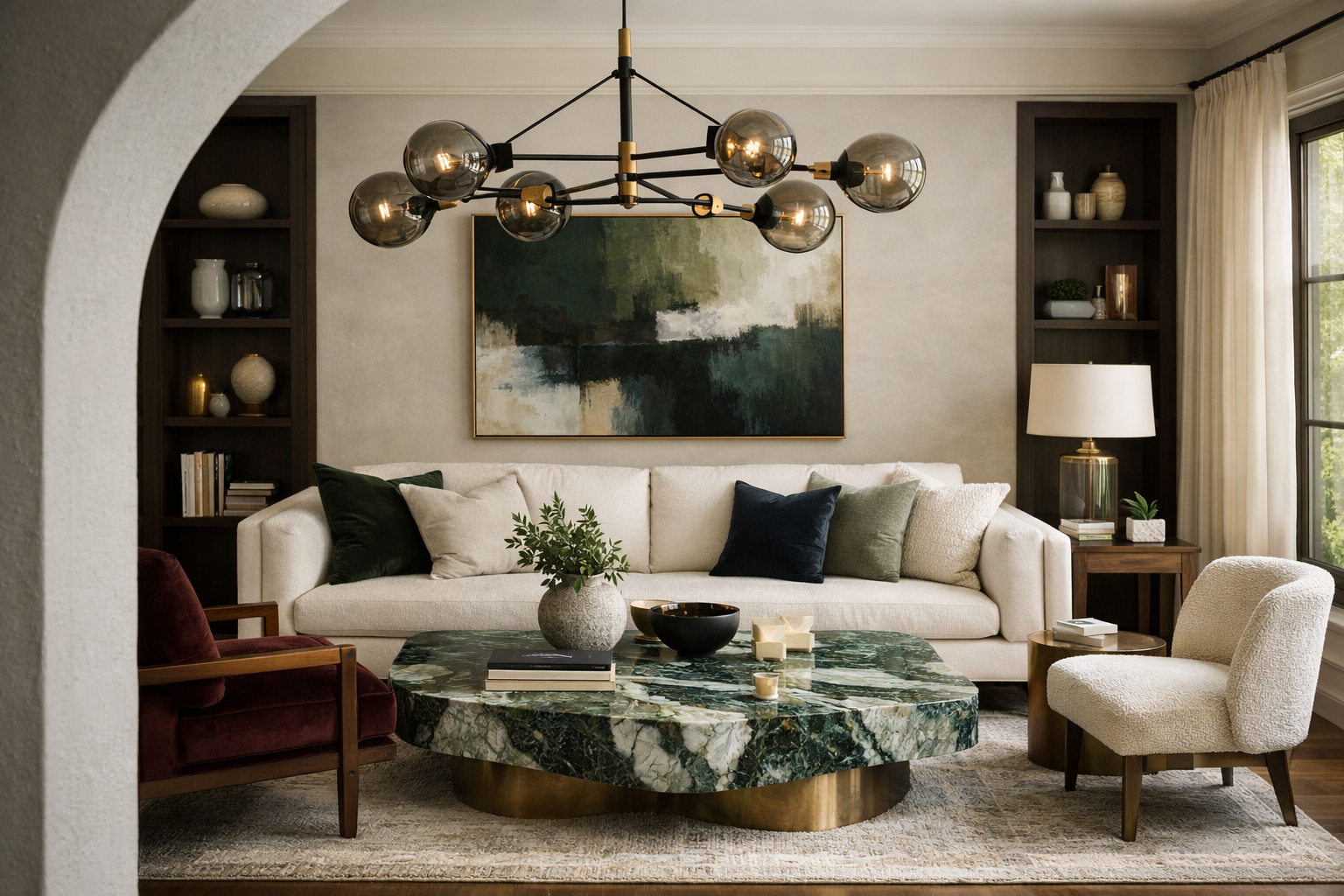
Full-service interior design transforms your home from start to finish. You get a complete design experience. Your designer handles every detail.
Many homeowners wonder when to hire an interior designer. So, full-service interior design offers the most complete support. It covers initial consultation through final installation.
Brown Interiors has served the Houston area since 1983. Our team creates spaces that blend comfort and elegance. We manage every step of your design journey.
Table of Contents
- What Is Full-Service Interior Design
- The Initial Consultation Process
- Design Development and Planning
- Project Execution and Management
- Timeline and Cost Expectations
- Working With Your Designer
What Is Full-Service Interior Design
Full-service interior design means complete design support from beginning to end. Your designer manages every aspect of your project. This approach saves you time and stress.
Complete Design Coverage
A full-service interior design firm handles all project elements. So, you get space planning, furniture selection, and color consulting. Your designer also manages contractors and installation.
The service includes material sourcing and budget management. Plus, your designer coordinates with trades and vendors. This ensures a smooth design process throughout.
Brown Interiors offers comprehensive interior design services for every room. Our team manages both residential and commercial projects. We create spaces that reflect your unique style.
Key Service Components
Full-service interior design includes several critical elements. First, your designer conducts a detailed initial consultation. Then, they create custom design concepts for your approval.
The service also covers procurement and ordering. Your designer sources furnishings from premium manufacturers. According to the American Society of Interior Designers, professional designers have access to exclusive trade resources.
Next, project management ensures timely completion. Your designer coordinates deliveries and installation. Finally, they add finishing touches and styling.
Benefits Over DIY Approaches
Professional full-service interior design offers clear advantages. Your designer brings years of experience and training. They avoid costly mistakes that homeowners often make.
You also get access to industry-only resources. Designers source unique furnishings at competitive prices. Plus, they manage complex logistics and coordination.
The result is a cohesive design that works. Your space functions better and looks stunning. Most importantly, you save time and reduce stress.
Expert Insight from Deborah Brown, Founder of Brown Interiors:
“Full-service interior design means we handle everything. You focus on enjoying the process. We manage all the details and challenges.”
The Initial Consultation Process
The initial consultation sets the foundation for success. Your designer learns about your needs and preferences. This meeting establishes clear project goals.
Preparing for Your First Meeting
Preparation makes your consultation more productive. So, gather inspiration images before your meeting. Create a folder with design styles you love.
Also, measure your space and note any constraints. Take photos of existing furniture you plan to keep. Write down your must-haves and budget parameters.
Think about how you use each room. Consider your lifestyle and daily routines. This information helps your designer create functional spaces.
What Designers Assess
During the consultation, your designer evaluates multiple factors. They measure room dimensions and note architectural features. Natural light patterns are carefully observed.
Your designer also assesses traffic flow and usage patterns. They identify opportunities and potential challenges. Professional design organizations emphasize thorough space assessment for optimal results.
Budget and timeline discussions happen during this phase. Your designer explains their process and fee structure. They answer all your questions openly.
Establishing Project Scope
The consultation defines your project scope clearly. Your designer outlines which rooms will be included. They identify specific services you need.
Next, they create a preliminary timeline for your project. Budget parameters are confirmed and documented. This ensures everyone has aligned expectations.
Your designer also explains their communication process. They establish regular check-in schedules. Plus, they clarify decision-making procedures and approvals.
Investment Discussion
Full-service interior design requires clear financial planning. Your designer presents their fee structure transparently. This may include design fees and purchasing fees.
They also discuss typical project costs for your scope. Furnishings, materials, and labor are all estimated. Your designer helps prioritize spending for maximum impact.
Payment schedules are established during this meeting. So, you know exactly when payments are due. This prevents surprises later in the process.
Design Development and Planning
Design development brings your vision to life on paper. Your designer creates detailed plans and concepts. This phase requires your active participation and feedback.
Concept Presentation
Your designer presents initial design concepts for review. These include mood boards with colors and textures. You see proposed furniture layouts and style directions.
The presentation also shows material samples and finishes. Your designer explains how each element works together. They demonstrate how the design meets your needs.
You provide feedback on all presented concepts. Your designer refines ideas based on your input. This collaborative process ensures the final design reflects you.
Space Planning and Layout
Full-service interior design includes detailed space planning. Your designer creates scaled floor plans for each room. They show furniture placement and traffic patterns.
Functional zones are identified and optimized. Your designer ensures adequate clearances around furniture. They also plan for electrical outlets and lighting needs.
The layout maximizes your space’s potential. Every piece serves a purpose and fits perfectly. Your designer balances aesthetics with practical function.
Material and Finish Selection
Selecting materials is a crucial design phase. Your designer presents flooring, paint, and fabric options. They bring samples for you to review together.
Each material is chosen for durability and beauty. Your designer considers maintenance requirements and lifestyle factors. They also ensure selections fit your budget parameters.
Color palettes are finalized during this stage. Your designer creates cohesive schemes throughout your home. They balance trendy elements with timeless appeal.
Furniture and Fixture Selection
Your designer sources furniture from premium manufacturers. They have access to exclusive collections and custom options. This ensures you get unique pieces perfectly suited.
Each furniture piece is selected for quality and style. Your designer considers scale, proportion, and comfort. They also verify that items fit your space perfectly.
Lighting fixtures and hardware are carefully chosen. Your designer coordinates all finishes throughout your home. This creates a polished, professional result.
Project Execution and Management
Project execution transforms plans into reality. Your designer manages all purchasing and coordination. This phase requires careful oversight and management.
Procurement and Ordering
Your designer handles all product procurement professionally. They place orders with manufacturers and vendors. Lead times are tracked and managed carefully.
Each order is confirmed for accuracy and completeness. Your designer monitors production and shipping schedules. They communicate updates to you regularly.
If you’re working on a new construction project, your designer coordinates with builders. They ensure all selections arrive at the right time. This prevents delays and storage issues.
Contractor Coordination
Full-service interior design includes contractor management. Your designer coordinates with painters, electricians, and other trades. They ensure work meets design specifications exactly.
Site visits happen throughout the construction phase. Your designer checks quality and progress regularly. They address any issues immediately as they arise.
Communication between all parties stays clear and consistent. Your designer acts as the central point of contact. This streamlines the process and prevents confusion.
Quality Control
Your designer inspects all delivered items carefully. They check for damage, defects, or shipping errors. Any problems are resolved before installation begins.
Finished work is evaluated against design specifications. Your designer ensures colors, finishes, and details match exactly. They maintain high standards throughout the project.
According to industry research on design professionals, quality control prevents costly mistakes. Your designer’s trained eye catches issues early. This saves time and money in the long run.
Installation and Styling
Installation day brings your design together beautifully. Your designer oversees furniture placement and arrangement. They ensure every piece goes in the perfect spot.
Window treatments are hung and adjusted properly. Artwork and accessories are placed thoughtfully. Your designer adds all the finishing touches.
The final styling makes your space feel complete. Your designer arranges decorative elements for maximum impact. They ensure every detail looks polished and intentional.
Timeline and Cost Expectations
Understanding timelines and costs helps you plan effectively. Full-service interior design projects vary in duration and investment. Clear expectations prevent surprises and frustration.
Typical Project Timelines
A full-service interior design project takes several months typically. Small room makeovers may complete in six to eight weeks. Whole home projects often require four to six months.
The design phase usually takes two to four weeks. Procurement and ordering add eight to twelve weeks more. Installation and final styling need one to two weeks.
Custom furniture extends timelines by several weeks. Your designer manages these schedules and keeps you informed. They build buffer time for unexpected delays.
Design Fee Structures
Full-service interior design fees vary by project scope. Some designers charge hourly rates for their time. Others use flat fees based on project size.
Many full-service firms charge a percentage of purchases. This typically ranges from fifteen to thirty percent. The percentage covers design services and project management.
Your designer explains their fee structure during consultation. All costs are outlined clearly and transparently. You know exactly what you’re paying for upfront.
Furniture and Material Budgets
Furnishings represent the largest project expense usually. Your designer helps establish realistic budget parameters. They allocate funds across different categories strategically.
Quality pieces require appropriate investment levels. Your designer balances splurges with savings opportunities. They ensure you get the best value possible.
Material costs include flooring, paint, and window treatments. Labor for installation adds to overall expenses. Your designer provides detailed estimates for everything.
Hidden Costs to Consider
Several additional costs may arise during projects. Delivery and shipping fees add to furniture costs. Installation labor for window treatments increases expenses too.
Custom work always costs more than standard options. Rush fees apply when you need expedited timelines. Your designer helps you anticipate these potential costs.
Plus, storage fees may occur if installation delays happen. Your designer manages logistics to minimize extra charges. They work to keep your project on budget.
Working With Your Designer
A successful design relationship requires clear communication. Your designer becomes your partner throughout the process. Understanding roles and expectations ensures smooth collaboration.
Communication Expectations
Regular communication keeps your project moving forward. Your designer schedules consistent check-in meetings or calls. They provide updates on orders, timelines, and decisions.
You’ll review selections and approve design choices regularly. Your designer presents options and explains recommendations clearly. They answer questions promptly and thoroughly.
Email and phone contact happen between scheduled meetings. Your designer remains accessible for urgent matters. They establish preferred communication methods and response times.
Decision-Making Process
Full-service interior design requires timely decisions from you. Your designer presents options with professional recommendations. They explain pros and cons of each choice.
You review proposals and provide feedback quickly. Delayed decisions can impact your project timeline. Your designer helps you prioritize important choices first.
Trust your designer’s expertise while expressing your preferences. They balance your vision with practical considerations. This collaboration creates the best possible results.
Managing Changes and Revisions
Changes during design happen but affect timelines and budgets. Your designer explains implications of requested modifications. They help you make informed decisions about alterations.
Early changes are easier and less costly typically. Once orders are placed, changes become more difficult. Your designer clarifies when decisions become final.
Some changes may incur additional design fees. Your designer communicates these costs upfront and clearly. They work to accommodate your needs whenever possible.
Expert Insight from Nycol Mealer, Lead Designer at Brown Interiors:
“The best design results come from true collaboration. We listen carefully to your needs and preferences. Then we apply our expertise to create something amazing.”
Red Flags to Watch For
Be aware of warning signs during the design process. Poor communication or missed deadlines indicate problems. Your designer should respond promptly to your questions.
Unclear contracts or hidden fees are concerning too. Everything should be documented and transparent. Your designer should explain all costs clearly.
Also, watch for designers who don’t listen to you. Your preferences matter and should be respected. A good designer balances your vision with their expertise.
How Full-Service Interior Design Works: Step-by-Step
Understanding the full-service interior design process helps you prepare. Each step builds on the previous one systematically. Your designer guides you through every phase smoothly.
- Schedule your initial consultation with an interior design firm. Discuss your project goals, budget, and timeline with your designer.
- Your designer conducts a thorough site assessment and measurement. They evaluate space, lighting, and architectural features carefully.
- Receive a detailed proposal outlining scope, fees, and timeline. Review and sign the design agreement to begin.
- Your designer creates initial design concepts and mood boards. They present color schemes, styles, and material directions.
- Review and approve space plans and furniture layouts. Your designer refines plans based on your feedback.
- Select materials, finishes, furniture, and fixtures with your designer. They source items from premium manufacturers and vendors.
- Your designer places orders and manages procurement timelines. They track all shipments and coordinate deliveries.
- Construction or renovation work begins with contractor coordination. Your designer oversees quality and ensures specification compliance.
- Furniture and fixtures arrive and are inspected carefully. Your designer schedules installation and placement services.
- Final installation, styling, and walk-through complete your project. Your designer adds finishing touches and ensures perfection.
Full-Service Interior Design: Quick Reference
Full-service interior design is a comprehensive approach where professional designers manage every aspect of your project from initial consultation through final installation. This turnkey service includes space planning, material selection, furniture sourcing, contractor coordination, procurement management, and complete project oversight. Unlike limited design consultations, full-service interior design means your designer handles all details, logistics, and execution, creating a cohesive design while saving you time and preventing costly mistakes through professional expertise and industry access.
Frequently Asked Questions
What is full-service interior design?
Full-service interior design is complete design support from start to finish. Your designer manages every project aspect including planning, sourcing, and installation. This turnkey approach handles all details so you don’t have to. The service includes consultation, design development, procurement, contractor coordination, and final styling. You get professional expertise throughout the entire process. Full-service interior design saves time and ensures cohesive results.
How much does full-service interior design cost?
Full-service interior design costs vary based on project scope and location. Design fees typically range from fifteen to thirty percent of purchases. Some designers charge hourly rates or flat fees instead. Furniture and materials represent the largest expense usually. Small room projects may cost five to fifteen thousand dollars. Whole home projects often range from fifty to two hundred thousand dollars. Your designer provides detailed estimates during the initial consultation.
How long does a full-service interior design project take?
Timeline depends on your project’s size and complexity significantly. Small room makeovers complete in six to eight weeks typically. Whole home projects require four to six months usually. The design phase takes two to four weeks normally. Procurement adds eight to twelve weeks for standard items. Custom furniture extends timelines by several additional weeks. Your designer creates a detailed schedule during the planning phase. They manage timelines and communicate updates regularly.
Do I need full-service interior design or just a consultation?
Full-service interior design works best for comprehensive projects and busy lifestyles. Choose this option if you want complete design support. It’s ideal when you lack time for shopping and coordination. Full-service makes sense for whole home renovations or new construction. Design consultations work for smaller projects or limited budgets. They’re good when you want to handle implementation yourself. Consider your available time, budget, and project complexity. Your designer can recommend the best approach for you.
What should I look for when hiring a full-service interior designer?
Look for designers with proven experience and strong portfolios first. Check credentials like ASID membership or formal design education. Read client reviews and testimonials carefully to gauge satisfaction. Ensure their design style aligns with your aesthetic preferences. Verify they offer transparent pricing and clear contracts. Good communication skills are essential for successful collaboration. Ask about their process, timelines, and project management approach. Trust your instincts about personality fit and professionalism. Schedule consultations with several designers before choosing one.
Your Next Steps
Full-service interior design transforms your space with professional expertise. You get complete support from initial vision through final installation. This approach saves time and creates beautiful results.
Start by clarifying your project goals and budget parameters. Gather inspiration images that reflect your style preferences. Then, schedule consultations with experienced interior design firms.
Brown Interiors has served the Houston area since 1983. Our team provides full-service interior design for residential and commercial spaces. We manage every detail with expertise and care.
Visit our portfolio gallery to see completed projects. Browse our furniture showroom for quality furnishings. Contact us today to schedule your initial consultation.
Your dream space awaits with full-service interior design support. Professional designers make the process smooth and enjoyable. So, take the first step toward transformation today.