Hiring the wrong interior designer is expensive. You end up with a space that does not feel like yours, a budget that ran over, and a contractor who never showed up on time. Knowing how to choose an interior designer before you sign anything saves you all of that.
At Brown Interiors, founder Deborah has worked with Houston and Sugar Land homeowners for 30 years. That experience shapes every tip in this guide. You will get the exact questions to ask any designer, the red flags that signal trouble, and a clear process for making a confident decision. Whether you are remodeling a kitchen or designing a whole home, this checklist gives you control from the first conversation.
1. What an interior designer actually does
2. How to choose an interior designer: 10 key questions
3. Red flags that should stop you from hiring
4. How to check a designer’s credentials and portfolio
5. Understanding interior designer fees and contracts
6. Why experience in your area matters
What an interior designer actually does
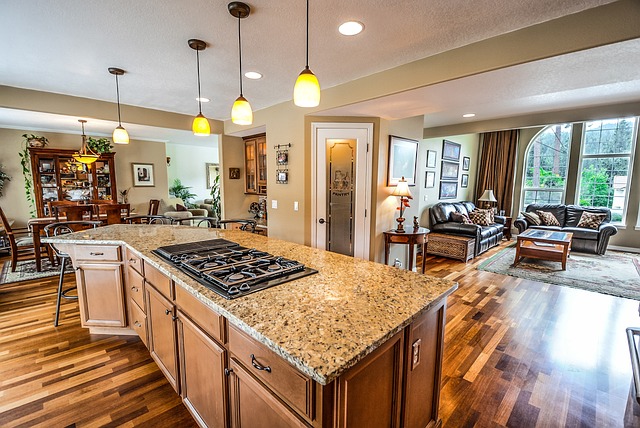
Many people confuse interior designers with decorators. They are not the same. A decorator picks furniture and colors. An interior designer does all of that, plus space planning, contractor coordination, and sometimes CAD drawings for construction.
When you know how to choose an interior designer, you start by understanding the scope of work. A full-service designer manages your project from the first sketch to the final styling. That includes sourcing furniture, selecting materials, working with contractors, and making sure every detail fits your budget.
According to the U.S. Bureau of Labor Statistics, interior designers plan and design spaces in homes and other buildings. They also prepare drawings and specifications for construction. That is a very different job from simply picking paint colors.
For Sugar Land and Houston homeowners, this distinction matters. The Houston metro has a wide range of design firms. Some offer full project management. Others only consult. Knowing what you need before you start searching makes the selection process much faster.
Full-service design vs. consultation only
A full-service interior designer handles everything. They source products, manage vendors, coordinate contractors, and install the final pieces. You pay more, but you get a complete result with far less stress.
A consultation-only designer gives you direction. They tell you what to buy and how to arrange it. You do the shopping and the follow-up yourself. This works well for smaller projects or tight budgets.
Brown Interiors offers both. A flat-fee consultation starts at $100. Full-service design covers everything from new construction to single-room makeovers. Knowing which model fits your project helps you ask the right questions from the start.
Residential vs. commercial interior design
Residential interior design focuses on homes. Commercial design covers offices, lobbies, restaurants, and retail spaces. Some designers do both. Many specialize in one.
If you are designing a home in Sugar Land, look for a designer with strong residential experience. If you are outfitting a Houston office or conference room, ask specifically about commercial projects.
Brown Interiors handles both residential and commercial work. Past projects include kitchen and bathroom renovations, family room redesigns, office spaces, and lobby designs. That range of experience matters when your project has unique requirements.
An interior designer does more than decorate. They plan spaces, manage contractors, and coordinate every detail. Before you search for a designer, decide whether you need full-service project management or a one-time consultation. That single decision narrows your options fast and saves you time.
How to choose an interior designer: 10 key questions
The interview is where you find out if a designer is right for you. Most homeowners skip this step or ask only about price. That is a mistake. The right questions reveal how a designer works, what they charge, and whether they will respect your vision.
Here are the ten questions every homeowner in Sugar Land and Houston should ask before hiring. Use this as a checklist. Take notes during the conversation. A good designer will answer every question clearly and without hesitation.
When you know how to choose an interior designer, you treat the first meeting like a job interview. Because it is.
Questions about credentials and experience
1. Are you a certified or formally trained interior designer? Formal training matters. Ask where they studied and when they completed their education. Brown Interiors founder Deborah completed formal interior design studies in 1995 and has 30 years of hands-on experience.
2. How long have you been working in this area? Local experience in Sugar Land and Houston means the designer knows local contractors, suppliers, and building codes. That saves time and avoids costly surprises.
3. Do you have experience with my design style? Show them photos of spaces you love. Ask if they have completed similar projects. A designer who specializes in contemporary spaces may struggle with a traditional or mid-century modern home.
4. Can I see your portfolio? A strong portfolio shows range and consistency. Look for projects similar to yours in size, style, and budget. Ask about the challenges in each project and how they solved them. You can see real project examples at the Brown Interiors design page.
Questions about process, budget, and timeline
5. How do you manage costs? Ask if they work within a fixed budget or if costs are open-ended. A good designer gives you a clear budget range early. They also tell you when something will push you over budget before they order it.
6. What is your timeline for a project like mine? Vague answers here are a warning sign. A professional designer gives you a realistic schedule with milestones. Ask what happens if the timeline slips.
7. Who do I contact if I have questions during the project? Some designers hand off day-to-day communication to an assistant. Know who your main contact is before you sign anything.
8. Do you work with specific vendors or contractors? Ask if they have preferred vendors and whether you are required to use them. Some designers earn commissions from vendors. That is not automatically bad, but you should know about it upfront.
9. How do you handle changes during the project? Scope changes happen. Ask how they are priced and approved. A clear change-order process protects both sides.
10. Can you provide references from past clients? A confident designer will give you names and contact information without hesitation. Call those references. Ask about communication, budget accuracy, and whether they would hire the designer again.
Red flags that should stop you from hiring

Some designers look great on paper but cause real problems once the project starts. Knowing the warning signs helps you avoid a costly mistake. These red flags show up in the first meeting, in the contract, or in how a designer responds to your questions.
When you learn how to choose an interior designer, spotting these signals becomes second nature. Pay attention to how a designer communicates, not just what they say.
Here are the most common red flags Houston and Sugar Land homeowners encounter.
Pressure tactics and vendor lock-in
A designer who pressures you to buy only from their preferred vendors is a problem. It may mean they earn a commission on every purchase. That creates a conflict of interest. You want a designer who recommends products because they are right for your space, not because they pay the designer a cut.
Similarly, watch out for designers who rush you into decisions. Good design takes time. If a designer says you must decide today or lose the product, that is a sales tactic, not a design process.
Brown Interiors has industry-only access to top manufacturers like Bernhardt and Hooker Furniture. But clients are never pressured to buy from a single source. The goal is always the right fit for your space and budget.
Vague timelines and unclear contracts
A contract that says ‘project will be completed in a reasonable time’ is not a contract. It is a blank check for delays. Ask for specific milestones and completion dates in writing.
Also watch for contracts that do not spell out what happens if costs go over budget. You should know exactly what triggers an additional charge and how much notice you get before it happens.
Other red flags include: no written contract at all, no itemized cost breakdown, and a designer who cannot explain their fee structure clearly. These are signs of disorganization at best and dishonesty at worst.
For a useful overview of what a professional service contract should include, the Federal Trade Commission consumer guidance covers your rights when hiring service providers.
Before signing any contract, ask the designer to walk you through every line item. If they get defensive or impatient, that tells you something important. A professional designer welcomes questions. They know a well-informed client makes the project run smoother for everyone involved.
How to check a designer's credentials and portfolio

Anyone can call themselves an interior designer. There is no universal license required in Texas. That means you have to do your own verification. The good news is that checking credentials takes less than an hour and can save you thousands of dollars.
When you know how to choose an interior designer, you verify before you trust. Here is what to look for.
Formal training is a strong signal. Ask where the designer studied and what program they completed. Membership in professional organizations like the American Society of Interior Designers (ASID) or the National Council for Interior Design Qualification (NCIDQ) shows a commitment to professional standards.
Reading a portfolio the right way
A portfolio is not just pretty pictures. It is evidence of how a designer solves problems. Look for variety in style, scale, and budget. A designer who only shows one type of project may struggle with yours if it is different.
Ask about the before and after for each project. What was the client’s problem? How did the designer solve it? What was the budget, and did they stay within it? These questions reveal how a designer actually works, not just how their finished rooms look.
Brown Interiors has completed projects ranging from single-room bedroom updates to full home renovations and commercial spaces. You can see real before-and-after work like the Jewel Box remodel project to get a sense of the firm’s range and attention to detail.
Checking reviews and client references
Online reviews give you a starting point. Look for patterns, not just star ratings. If multiple reviews mention the same problem, that problem is real. If reviews consistently praise communication and budget accuracy, that is a good sign.
Do not stop at online reviews. Ask the designer for two or three past client references. Call them. Ask specific questions: Did the project finish on time? Did costs stay within the original estimate? Would you hire this designer again?
A designer who hesitates to provide references, or who gives you names but no contact information, is not confident in their client relationships. That is a red flag worth taking seriously.
Do not hire a designer based on their Instagram feed alone. Social media shows only the best angles of finished rooms. It does not show how the designer handled a contractor dispute, a delayed shipment, or a client who changed their mind halfway through. Always ask about the process, not just the result.
Understanding interior designer fees and contracts
Fee structures vary widely. Some designers charge a flat fee per room. Others charge hourly. Some mark up furniture and materials. A few use a combination of all three. Knowing the difference helps you compare quotes accurately.
When you know how to choose an interior designer, you ask about fees before you fall in love with their portfolio. Price surprises at the end of a project are almost always the result of unclear fee conversations at the start.
Here is a breakdown of the most common fee models you will encounter in the Sugar Land and Houston market.
Common fee models explained simply
Flat fee: You pay one set price for the entire project or a defined scope of work. This is predictable and easy to budget. Brown Interiors offers flat-fee consultations starting at $100, with ongoing support available at $100 per hour.
Hourly rate: You pay for every hour the designer works. This works well for small projects or consultations. It can get expensive fast on large projects if the scope is not clearly defined.
Cost-plus or markup: The designer charges you the wholesale price of furniture and materials, plus a percentage markup. This is common with designers who have trade-only access to manufacturers. Ask what the markup percentage is before you agree.
Retainer plus percentage: You pay an upfront retainer and then a percentage of the total project cost. This is common for large renovations and new construction projects.
What a solid design contract should include
A good contract protects you and the designer. It should include the full scope of work, the fee structure, a payment schedule, a project timeline with milestones, and a process for handling changes.
It should also state who owns the design concepts if the project ends early. And it should spell out what happens if either party wants to cancel.
If a designer offers you a one-page agreement with no detail, ask for more. A professional firm uses a thorough contract because it prevents misunderstandings. That protects the client as much as the designer.
Fee structures are not just about price. They tell you how a designer thinks about their work. A designer who charges hourly with no cap has no incentive to work efficiently. A designer with a clear flat fee has already thought through your project scope carefully. When you compare quotes, compare the fee model first. Then compare the total cost. That order matters. A lower hourly rate can end up costing far more than a higher flat fee if the project runs long. Ask every designer you interview to give you a total estimated cost in writing, not just a rate.
Knowing how to choose an interior designer comes down to asking the right questions and paying attention to the answers. Check credentials. Review real portfolios. Ask about fees in writing. Watch for pressure tactics and vague timelines. Those steps protect your budget and your home.
Brown Interiors has served Sugar Land, Houston, and the surrounding area for 30 years. Founder Deborah brings formal design training and decades of real project experience to every client. From single-room consultations to full home renovations, the team manages every detail so you do not have to. Visit the Brown Interiors design services page to see what a 30-year track record looks like in practice, then call 281-412-5305 to schedule your consultation.
The first meeting tells you almost everything. A good designer listens more than they talk. They ask about how you live in your space, not just how you want it to look. If a designer walks in and starts telling you what you need before they have asked a single question, that is your answer. Walk away. The best projects start with a designer who treats your home as yours, not as their next portfolio piece.
Choosing an interior designer is a business decision. Treat it like one. Ask for credentials, references, and a written contract. Compare fee models before you compare prices. And trust your instincts in the first meeting. A designer who communicates clearly from the start will communicate clearly throughout your project.
Frequently Asked Questions
What is the most important question to ask when choosing an interior designer?
Ask to see their portfolio and speak with past clients. A designer’s portfolio shows their range and style. Past clients tell you how the designer handled budgets, timelines, and communication. Those two sources give you a complete picture of how the designer actually works on real projects.
How do interior designer fees work in Sugar Land and Houston?
Most designers in the Houston area charge a flat fee, an hourly rate, or a markup on furniture and materials. Some use a combination. Brown Interiors offers flat-fee consultations starting at $100. Always ask for a total estimated cost in writing before you agree to any fee structure.
What red flags should I watch for when hiring an interior designer?
Watch for pressure to buy from a single vendor, vague project timelines, and contracts with no itemized costs. A designer who gets defensive when you ask questions is also a warning sign. Good designers welcome questions. They know clear communication leads to better projects and happier clients.
Do interior designers in Texas need a license?
Texas does not require a state license for interior designers. That means anyone can use the title. Look for formal design training, professional certifications like NCIDQ, and membership in organizations like ASID. These credentials show a designer has met real professional standards beyond just calling themselves a designer.
How do I choose an interior designer for a remodel vs. new construction?
For a remodel, look for a designer with renovation experience and strong contractor relationships. For new construction, you need someone who can read CAD drawings and work with builders from the start. Brown Interiors handles both, with services that include material boards, lighting plans, and full contractor coordination for each project type.
Step-by-Step Process
Step-by-Step: How to choose an interior designer in Sugar Land & Houston
1. Define your project scope before you search for a designer
2. Decide whether you need full-service design or consultation only
3. Search for designers with local Sugar Land and Houston experience
4. Review portfolios and look for projects similar to yours
5. Ask all 10 key questions during your first meeting
6. Check credentials, certifications, and professional memberships
7. Call at least two past client references before deciding
8. Compare fee structures and get total cost estimates in writing
9. Review the contract carefully and ask about every line item
10. Sign only when you are confident in the designer and the terms
Quick Reference: What Is How to Choose an Interior Designer?
Choosing an interior designer means finding a trained professional who fits your project, style, and budget. A good interior designer plans your space, manages contractors, and sources furniture and materials. They work within your budget and communicate clearly at every step. To choose the right interior designer, you ask about credentials, review their portfolio, check client references, and compare fee structures in writing. In Sugar Land and Houston, the best interior designers have local experience, formal training, and a clear contract process. Brown Interiors has served this area for 30 years with full-service interior design for homes and commercial spaces.
Additional Resources
- Interior Design Services — Full-service residential and commercial interior design, from space planning and furniture selection to contractor coordination and final installation.
- Remodeling Project Example — See a real remodel project completed by Brown Interiors, showing the design process from concept through finished space.
- Jewel Box Remodel — A detailed look at a full renovation project, including before-and-after results and the design decisions made throughout the process.