Building a new home is exciting. But most new construction homeowners make one big mistake. They wait until the walls are up to think about interior design for new construction homes. By then, half the best decisions are already off the table.
Interior design for new construction homes works best when it starts early. You get to choose finishes, fixtures, lighting plans, and layouts before anything is locked in. That window does not stay open long. At Brown Interiors, Deborah and her team have worked on new construction design in the Houston metro area since 1995. They know exactly when to step in and what decisions matter most. This guide walks you through the full process of interior design for new construction homes — from concept to final styling — so your new home looks intentional, not accidental.
1. Why interior design for new construction homes starts early
2. How to plan your new construction home design
3. Choosing finishes and materials for new construction
4. Furniture selection and space planning in new builds
5. Lighting and electrical decisions in new construction design
6. Working with a designer on your new construction home
Why interior design for new construction homes starts early
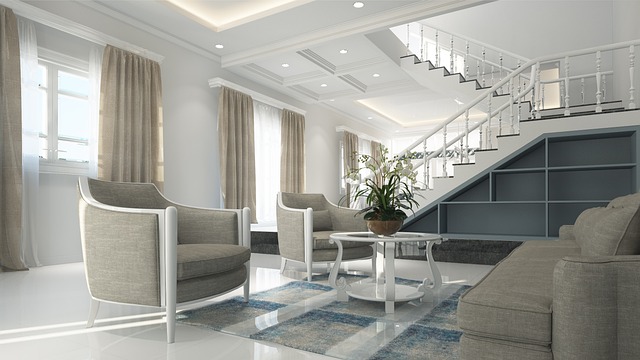
Most people think interior design happens after construction ends. That idea costs homeowners money and missed opportunities. Interior design for new construction homes is most effective during the build phase. Decisions made early shape every room in the house.
When you work with a designer before framing is complete, you can move walls. You can add built-ins without expensive retrofitting. You can plan electrical outlets exactly where your furniture will sit. These are not small details. They are the difference between a home that works and one that just looks okay.
New construction design also means you are selecting materials, fixtures, and finishes from scratch. That is a lot of choices. Without a clear design plan, most homeowners default to builder-grade options. Those choices are fine structurally. But they rarely reflect your personal style or add lasting value to your home.
The builder upgrade trap in new construction
Builders offer upgrade packages. They look appealing in the design center. But builder upgrades are priced at a premium and often lack the quality you can get elsewhere. A designer who specializes in interior design for new construction homes knows which upgrades are worth paying for and which ones to skip.
For example, builder-grade cabinet hardware is often low quality. You can buy better hardware for less money after closing. But structural upgrades — like adding a gas line to a future outdoor kitchen — cost far more to add later. Knowing the difference saves real money.
According to the National Association of Home Builders, new home construction remains one of the largest segments of residential real estate. That means more homeowners face these exact decisions every year. Getting the right guidance early pays off.
Design decisions that cannot be changed later
Some design choices in new construction are permanent. Floor plan layout, ceiling height, window placement, and structural walls are set once framing is done. Interior design for new construction homes addresses these early so you do not regret them later.
Window placement affects natural light in every room. Ceiling height changes how furniture looks and feels. The location of your kitchen island determines traffic flow for years. These are not decorating decisions. They are architectural ones. A designer brings both perspectives to the table.
At Brown Interiors, the new construction design process includes CAD drawings for interior layouts and millwork. That level of planning is what separates a well-designed new home from one that feels like it was put together room by room without a plan.
Interior design for new construction homes works best when it starts before framing is complete. Early design decisions — layout, lighting, structural details — cannot be undone cheaply. Bringing in a designer during the build phase saves money, prevents regret, and produces a home that feels intentional from every angle.
How to plan your new construction home design
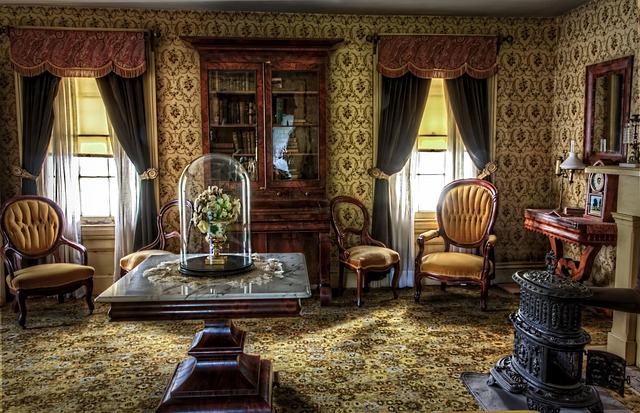
Planning interior design for new construction homes starts with a concept. Not a mood board. A real concept — one that defines how you want to live in the space, what style fits your life, and what your budget can support. Without that foundation, every decision becomes a guess.
A good design plan covers the whole home, not just the rooms you care about most. The entry, hallways, and utility spaces matter too. They connect everything. When those spaces are ignored, the home feels disjointed even if the main rooms look great.
Brown Interiors builds design plans that include material boards, finish selections, and CAD drawings. That process gives you a clear picture of the finished home before a single tile is set. It also gives your contractor clear direction, which reduces costly change orders.
Setting a realistic design budget
Budget is the most avoided conversation in interior design for new construction homes. Most homeowners underestimate what good design costs. They spend heavily on the build and leave little for finishes, furniture, and styling. Then the house looks unfinished for years.
A realistic design budget covers three categories: fixed finishes (flooring, tile, countertops, cabinetry), furniture and window treatments, and accessories and art. Each category needs its own allocation. Trying to cover all three from one vague number leads to compromises in every area.
Your designer should help you prioritize. Some rooms need more investment than others. The kitchen and primary bedroom typically deliver the most daily value. A designer who understands new construction design will tell you where to spend and where to save — without sacrificing the overall look.
Creating a cohesive style for your new home
Style consistency is one of the hardest things to achieve in new construction design. You are making hundreds of individual choices. Each one seems fine on its own. But without a unifying design direction, the rooms end up looking like they belong to different houses.
Brown Interiors works in contemporary, classical, and mid-century modern styles. Each has its own rules for proportion, material, and color. Knowing which style fits your life — and sticking to it — is what makes a new construction home feel designed rather than assembled.
For a look at how a cohesive design concept plays out in a real project, the modern traditional design project on the Brown Interiors site shows how mixing classic and contemporary elements can work in a residential space.
Choosing finishes and materials for new construction homes
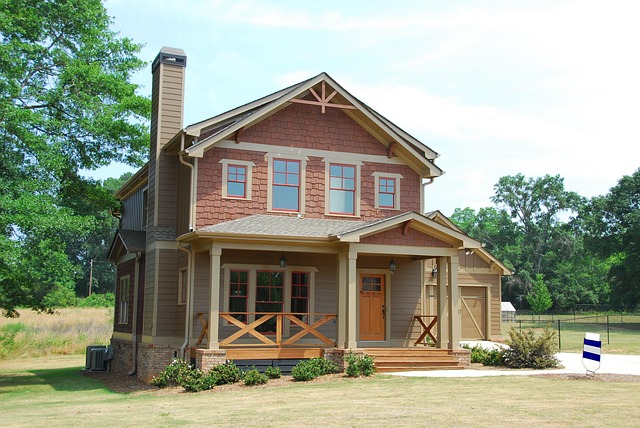
Finish selection is the most time-consuming part of interior design for new construction homes. Flooring, tile, countertops, cabinetry, hardware, paint — every surface needs a decision. And those decisions need to work together across the entire home.
The biggest mistake homeowners make is selecting finishes room by room. You pick a kitchen tile you love. Then you pick a bathroom tile you love. Then you pick hardwood floors you love. But none of them talk to each other. The result is a home that feels busy and unresolved.
A designer creates a material board that shows all finishes together. You see how the kitchen countertop reads next to the flooring. You see how the bathroom tile connects to the hallway. That overview is what keeps the whole home feeling like one intentional design.
Flooring choices that work across the whole home
Flooring is the largest surface in any home. It sets the tone for every room. In new construction design, flooring decisions happen early because they affect transitions, thresholds, and subfloor preparation.
Hardwood floors are a popular choice for new construction homes. They add warmth and hold their value well. Large-format tile works well in open-plan spaces where you want a clean, modern look. The key is choosing a flooring material that flows naturally from room to room without jarring transitions.
In the Houston area, humidity is a real factor. Some hardwood species handle it better than others. Engineered hardwood is often a smarter choice than solid wood in Texas climates. A designer with local new construction experience knows these regional specifics.
Countertops, tile, and hardware that last
Countertops, tile, and hardware are the details people notice most in a new construction home. They are also the details that date a home fastest when chosen poorly. Interior design for new construction homes means selecting materials that look current now and hold up over time.
Quartz countertops are durable and low-maintenance. Natural stone adds character but requires sealing. For backsplash tile, simple patterns in quality materials age better than trendy designs. Hardware — cabinet pulls, faucets, door handles — should be consistent in finish across the home. Mixing metals works, but only when it is intentional.
The U.S. Department of Energy’s energy-efficient home design guidelines also recommend selecting materials with thermal performance in mind — especially in new construction where those choices are still open.
When selecting finishes for new construction design, always view samples in the actual space — not just in a showroom. Natural light, room size, and adjacent materials all change how a finish looks. What reads as warm beige in a showroom can look yellow in your kitchen. Always test in context before committing.
Furniture selection and space planning in new construction
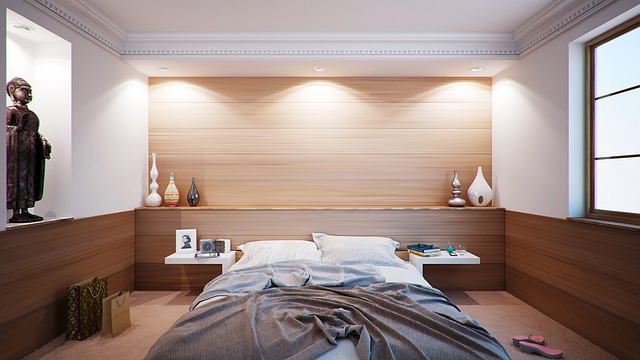
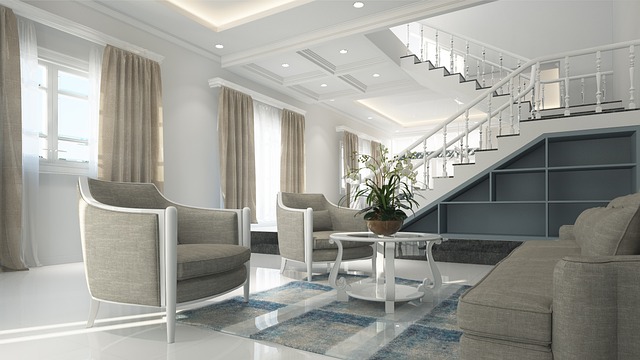
New construction homes often have larger rooms than older homes. That sounds like a good problem. But oversized rooms are actually harder to furnish well. Without proper space planning, large rooms feel empty and cold even with furniture in them.
Space planning for interior design in new construction homes means drawing the room to scale and placing furniture before you buy it. You figure out traffic flow, conversation areas, and focal points on paper first. That prevents the common mistake of buying a sofa that is too small for the room or a dining table that blocks the kitchen entry.
Brown Interiors provides detailed space planning drawings as part of the new construction design process. Those drawings show furniture placement, traffic paths, and room proportions. You see the finished room before spending a dollar on furniture.
Furniture scale in open-plan new homes
Open-plan layouts are standard in new construction homes today. The kitchen, dining, and living areas flow together. That openness looks great in photos. But it creates a real challenge for furniture selection and interior design.
In an open plan, furniture needs to define zones without walls. A large area rug anchors the living area. A dining table with the right proportions separates the eating zone from the cooking zone. Furniture scale matters more here than in any other layout. Too small and the space feels unfinished. Too large and it feels crowded.
Brown Interiors has access to furniture lines from Bernhardt and Hooker Furniture — manufacturers that offer pieces in a wide range of scales. That access means you are not limited to what is on a showroom floor. You can get the exact size and finish your new construction home needs.
Custom built-ins and millwork planning
Built-ins are one of the best investments in new construction design. A built-in bookcase, media wall, or mudroom system adds storage, character, and value. But they need to be planned during construction — not added as an afterthought.
Millwork planning is part of the interior design for new construction homes process at Brown Interiors. CAD drawings show exactly where built-ins will go, how tall they will be, and how they connect to the room’s architecture. That planning ensures the built-ins look like they belong — not like furniture pushed against a wall.
For inspiration on how built-ins and custom design elements can transform a space, the Brown Interiors design portfolio shows real examples of how these decisions play out in finished homes.
Do not buy furniture before your space plan is complete. Many new construction homeowners purchase pieces during the build phase because they are excited. Then the furniture arrives and the scale is wrong, the color clashes with the finishes, or the layout does not work. Wait for the space plan. It saves money and prevents returns.
Lighting and electrical decisions in new construction design
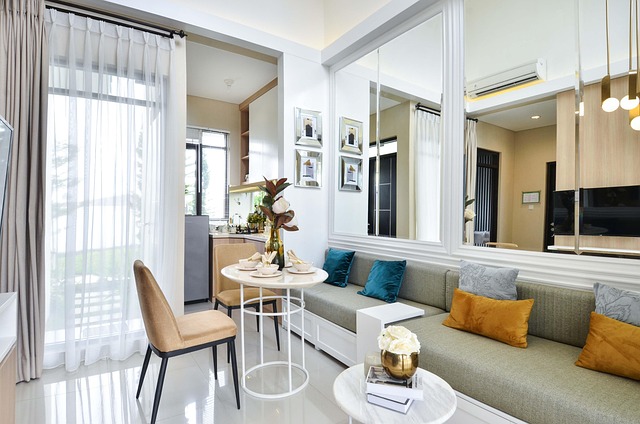
Lighting is the most underestimated part of interior design for new construction homes. Most homeowners accept the builder’s default lighting plan. That plan is designed for code compliance, not for how the home actually looks or functions.
A proper lighting plan for new construction design covers three layers: ambient (general), task (functional), and accent (decorative). Each room needs all three. The kitchen needs task lighting over the counters and ambient lighting for the whole space. The living room needs accent lighting to highlight art and architectural features.
Electrical decisions in new construction are permanent. Moving a light fixture after drywall is up costs hundreds of dollars. Planning the lighting layout before framing is done costs nothing extra. That is why lighting and electrical planning is a core part of new construction interior design — not an afterthought.
Recessed lighting placement in new builds
Recessed lighting is the most common lighting choice in new construction homes. Done well, it provides clean, even light without visual clutter. Done poorly, it creates a grid of lights that looks institutional and washes out the room.
Proper recessed lighting placement in new construction design follows the furniture layout. Lights go where they will actually illuminate work surfaces and seating areas — not in a uniform grid across the ceiling. The spacing, trim style, and color temperature all affect how the room feels.
For new construction homes in Texas, the ENERGY STAR lighting guidelines are worth reviewing. Energy-efficient fixtures reduce utility costs without sacrificing light quality. In a new home, specifying the right fixtures from the start is far easier than replacing them later.
Decorative fixtures as design anchors
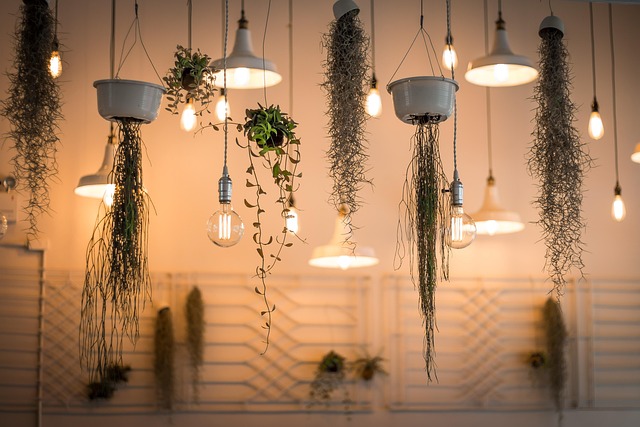
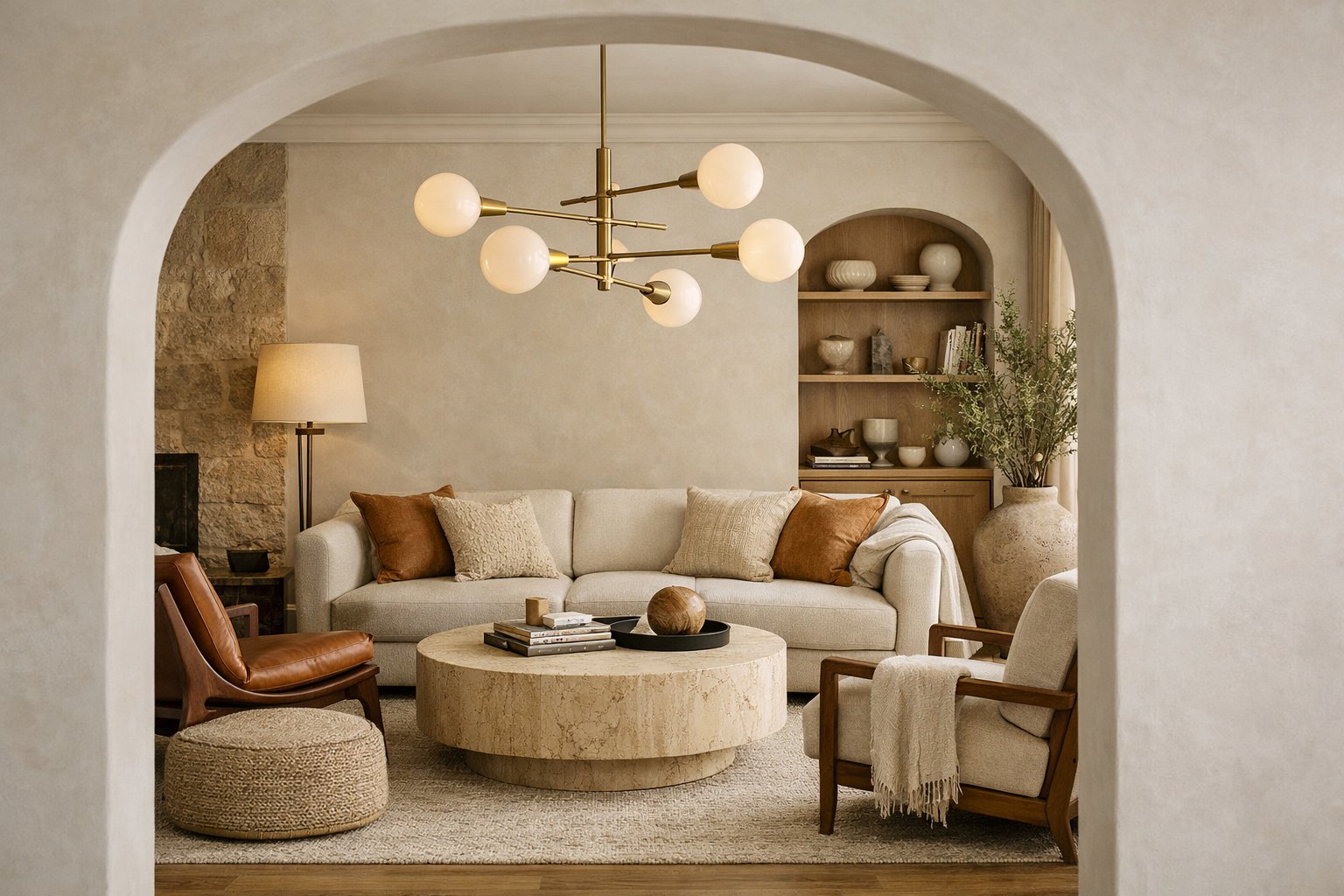
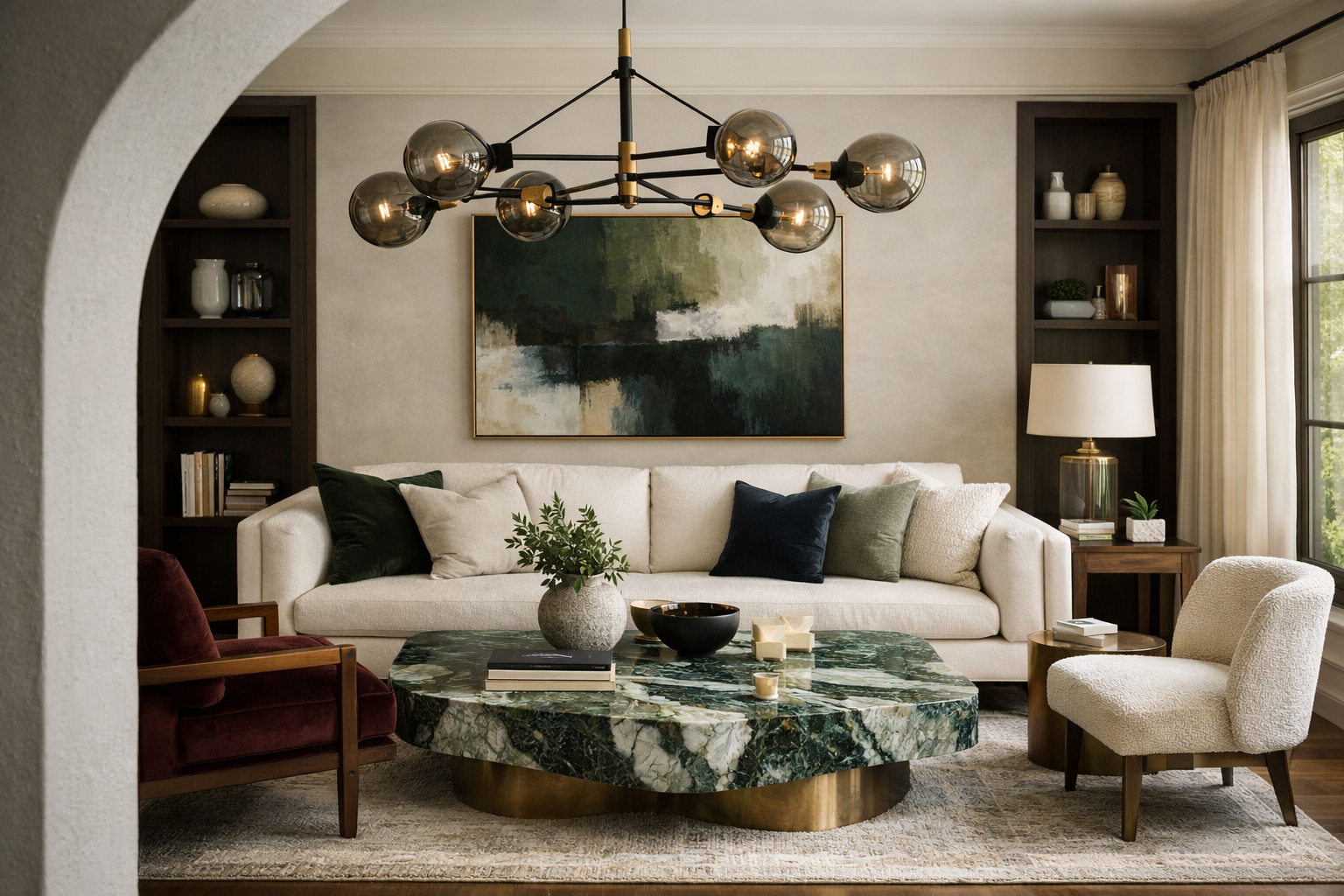
Decorative light fixtures — chandeliers, pendants, sconces — are design anchors in new construction homes. They set the style tone for a room faster than almost any other element. The pendant over the kitchen island, the chandelier in the dining room, the sconces in the primary bedroom — these are the pieces people notice first.
Selecting decorative fixtures is part of the interior design for new construction homes process. The fixture needs to fit the room’s scale, match the home’s overall style, and work with the finish palette. A brass pendant in a room with chrome hardware looks like a mistake. A fixture that is too small for a high ceiling looks lost.
Brown Interiors selects decorative lighting as part of the full design package. The fixtures are chosen alongside the furniture and finishes — not picked separately from a catalog after everything else is decided.
If you are building a new home right now, your lighting and electrical decisions may already be on the table. Talk to your builder about where you are in the process. If framing has not started, you still have time to bring in a designer and build a proper lighting plan. If framing is done, you can still adjust fixture locations before drywall. Either way, do not accept the default plan. Interior design for new construction homes includes lighting — and getting it right changes how every room in the house looks and feels every single day.
Interior design for new construction homes is not decoration. It is a planning process that starts before the walls go up and ends when the last accessory is placed. Every decision — finishes, furniture, lighting, layout — connects to every other decision. When those decisions are made with a clear plan, the result is a home that feels intentional and works well for real life.
Brown Interiors has been doing this work in the Houston metro area for 30 years. Deborah and her team bring formal design training, trade-only access to top furniture manufacturers, and a process that covers every detail of new construction design. If you are building a new home in Pearland, Sugar Land, Katy, or anywhere in the Houston area, now is the right time to start. Contact Brown Interiors at 281-412-5305 or visit the Brown Interiors showroom to schedule your design consultation.
The biggest mistake I see in new construction design is waiting. Homeowners think they need to see the finished house before they can make design decisions. But by then, the structural choices are locked in. The best new construction homes I have worked on started the design process before the foundation was poured. That is when you have real options — and real control over how the home turns out.
Interior design for new construction homes works best when it starts early in the build process. Early planning gives you control over layout, finishes, lighting, and furniture selection — decisions that are expensive or impossible to change after construction ends. A designer who specializes in new construction brings both design expertise and construction knowledge to every decision.
Frequently Asked Questions
When should I hire a designer for my new construction home?
The earlier the better. Bring in a designer before framing starts if possible. That is when layout changes, built-in planning, and structural decisions are still open. A new construction designer can influence choices that save money and prevent regret. Waiting until after construction limits your options significantly.
What does interior design for new construction homes actually include?
New construction design covers concept development, finish and material selection, CAD drawings, lighting and electrical planning, furniture selection, and space planning. A full-service designer handles all of these together. That coordination is what keeps the home feeling like one cohesive design rather than a collection of separate decisions.
How much does new construction interior design cost in Houston?
Design fees vary based on project scope. Brown Interiors offers consultations starting at $100 per hour. Full new construction design projects are priced based on the home’s size and the services needed. A consultation is the best way to get a clear picture of what your specific project will cost.
Can a designer help me avoid builder upgrade mistakes in new construction?
Yes. A new construction designer knows which builder upgrades are worth the premium and which ones you can source better elsewhere after closing. Structural upgrades — gas lines, electrical rough-ins, ceiling height changes — are worth paying for. Cosmetic upgrades like cabinet hardware and light fixtures are often overpriced in builder packages.
Does Brown Interiors work with builders on new construction design projects?
Yes. Brown Interiors works directly with builders and contractors as part of the new construction design process. The team provides CAD drawings, material boards, and finish plans that give contractors clear direction. That coordination reduces change orders and keeps the project on schedule. Brown Interiors recently welcomed Mealer Homes into their showroom as a collaborative partner.
Step-by-Step Process
Step-by-step: Interior design for new construction homes
1. Schedule a design consultation before construction begins
2. Define your design style and how you want to live in the space
3. Set a realistic budget across finishes, furniture, and accessories
4. Review and influence the floor plan and structural layout
5. Create a material board with all finishes selected together
6. Develop a lighting and electrical plan tied to furniture placement
7. Plan built-ins and millwork with CAD drawings for contractors
8. Select furniture using a scaled space plan for each room
9. Coordinate with your builder and trades throughout construction
10. Style and accessorize each room after furniture is installed
Quick reference: What is interior design for new construction homes?
Interior design for new construction homes is the process of planning and selecting every design element of a newly built home. It starts before construction and covers layout, finishes, lighting, furniture, and styling. So it is different from decorating an existing home. In new construction design, you have the chance to influence structural decisions — not just surface ones. A designer guides you through material selection, space planning, and contractor coordination. The goal is a finished home where every detail was chosen intentionally, not by default.