“`html
You want your home to look great. But do you need an interior designer or an interior decorator? Most people use these terms the same way. Yet they mean very different things. The difference affects your budget, timeline, and final result.
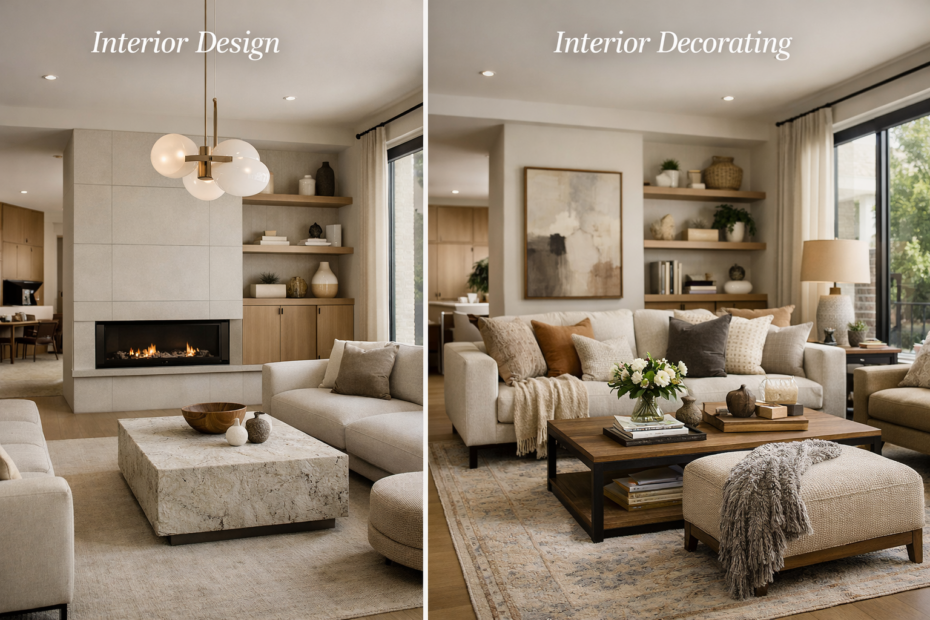
Interior design vs interior decorating is more than just words. One plans how rooms work. The other picks colors and furniture. One needs formal training and certifications. The other focuses on style and aesthetics. Knowing which professional fits your project saves time and money.
At Brown Interiors, we’ve guided Houston-area clients through this choice for over 41 years. Our certified interior designers understand both the technical side of design and the decorative elements that make spaces beautiful. Whether you’re building new, renovating, or refreshing your décor, understanding interior design vs interior decorating helps you hire the right expert.
Table of Contents
- What Is Interior Design?
- What Is Interior Decorating?
- Interior Design vs Interior Decorating: Key Differences
- Education and Credentials
- When to Hire a Designer vs Decorator
- Cost and Timeline Differences
- How to Work with Each Professional
- Frequently Asked Questions
What Is Interior Design?
Interior design creates functional spaces that meet building codes and safety standards. An interior designer plans room layouts, lighting systems, and structural changes. They work with architects, contractors, and engineers to bring design concepts to life. Interior design involves technical knowledge of construction, materials, and regulations.
Interior designers start projects before construction begins. They read blueprints and create floor plans. They specify electrical outlets, plumbing fixtures, and HVAC systems. The American Society of Interior Designers sets professional standards for interior design education and practice. Interior designers must understand accessibility requirements and universal design principles.
Core Interior Design Responsibilities
Interior design work includes space planning and layout optimization. Designers determine where walls go and how traffic flows through rooms. They select materials that meet fire codes and durability requirements. Interior designers coordinate with trades like electricians and plumbers.
Interior design projects require technical drawings and specifications. Designers create detailed plans showing dimensions, materials, and installation methods. They specify everything from door hardware to flooring systems. Interior design documentation helps contractors build correctly.
Technical Skills Required
Interior designers use CAD software to create precise drawings. They understand structural load requirements and building envelope systems. Interior design training covers lighting calculations and acoustic design. Designers must know local building codes and permit processes.
Interior designers work on both residential and commercial projects. They design offices, restaurants, healthcare facilities, and retail spaces. Each project type has specific interior design requirements and regulations. Designers stay current on code changes and new materials.
Key Takeaway: Interior design focuses on function, safety, and space planning with technical expertise.
What Is Interior Decorating?
Interior decorating enhances existing spaces through furniture, color, and accessories. A decorator works with what’s already built. They select paint colors, window treatments, and decorative elements. Interior decorating creates aesthetic appeal without changing structural elements.
Decorators focus on style and visual harmony. They arrange furniture and choose fabrics. Interior decorating brings personality to finished rooms. Decorators understand color theory, pattern mixing, and scale. They create cohesive looks that reflect client preferences.
Core Interior Decorating Services
Interior decorating starts with understanding your style preferences. Decorators create mood boards showing colors, textures, and furnishings. They shop for furniture, rugs, and accessories. Interior decorating services include room layout and furniture arrangement.
Decorators select window treatments like curtains and blinds. They choose lighting fixtures for ambiance. Interior decorating encompasses art placement and accessory styling. Our interior design services and home décor combine both design and decorating expertise for complete transformations.
Design Expertise and Vision
Interior decorating requires a trained eye for proportion and balance. Decorators mix patterns without overwhelming spaces. They layer textures to add depth. Interior decorating knowledge includes furniture styles from traditional to contemporary.
Decorators stay current on design trends and new products. They source unique pieces from showrooms and manufacturers. Interior decorating professionals have access to trade-only resources. They find items that work within your budget and timeline.
Key Takeaway: Interior decorating emphasizes aesthetics, furnishings, and style in existing spaces.
Interior Design vs Interior Decorating: Key Differences
The interior design vs interior decorating distinction comes down to scope and technical requirements. Interior design changes how spaces function. Interior decorating changes how they look. One requires engineering knowledge. The other focuses on artistic vision.
Scope of Work
Interior design includes structural modifications like removing walls or adding windows. Designers plan electrical and plumbing systems. Interior design work requires permits and inspections. Designers collaborate with architects and contractors throughout construction.
Interior decorating works within existing architecture. Decorators don’t move walls or change plumbing locations. Interior decorating begins after construction finishes. Decorators transform spaces through furnishings and finishes alone.
Technical Requirements
Interior design demands knowledge of building codes and regulations. Designers must understand load-bearing walls and structural systems. Interior design projects need engineered drawings and specifications. Designers coordinate mechanical, electrical, and plumbing systems.
Interior decorating doesn’t require technical construction knowledge. Decorators focus on aesthetics and furniture selection. Interior decorating decisions involve color, texture, and style choices. Decorators need strong visual and spatial awareness.
Project Involvement
Interior designers join projects during planning phases. They work with builders before construction starts. Interior design input shapes the entire building process. Designers specify materials and finishes throughout construction.
Interior decorators typically join after walls are painted. They work in finished spaces ready for furnishing. Interior decorating happens near project completion. Decorators focus on the final layer of design.
According to National Kitchen & Bath Association research, homeowners who hire interior designers early save money by avoiding costly changes later. Interior design planning prevents expensive mistakes during construction.
Key Takeaway: Interior designers handle technical planning while decorators focus on aesthetic finishing touches.
Education and Credentials
The interior design vs interior decorating debate extends to professional qualifications. Interior designers need formal education and licensing. Interior decorators may work without specific credentials. Understanding these requirements helps you choose qualified professionals.
Interior Designer Education
Interior designers typically hold bachelor’s degrees in interior design. Accredited interior design programs cover architecture, building systems, and design theory. Many states require interior designers to pass the NCIDQ exam. This interior design certification proves professional competency.
Interior design education includes courses in structural design and building codes. Students study lighting design, materials, and construction methods. Interior design degrees take four years to complete. Graduates must complete supervised work experience before certification.
Interior Decorator Training
Interior decorators may have design degrees or work-based training. Decorator education focuses on color theory and furniture styles. Interior decorating doesn’t require state licensing. Many decorators learn through apprenticeships or self-study.
Interior decorating training emphasizes visual design principles. Decorators study fabric selection and window treatments. Interior decorating courses cover space planning and furniture arrangement. Some decorators earn certificates from design schools.
Professional Memberships
Interior designers often join ASID or IIDA for professional development. These interior design organizations set ethical standards and continuing education requirements. Membership shows commitment to professional interior design practice. At Brown Interiors, our ASID membership demonstrates our dedication to excellence.
Interior decorators may join organizations like DECORATORS.org. These groups provide decorator resources and networking opportunities. Interior decorating memberships aren’t typically required for practice. They show professional commitment to interior decorating standards.
Key Takeaway: Interior designers need formal education and licensing while decorators have more flexible training paths.
When to Hire a Designer vs Decorator
Choosing between interior design and interior decorating depends on your project needs. Interior designers handle complex renovations and new construction. Interior decorators refresh existing spaces with new furnishings. Understanding your project scope determines which professional you need.
Hire an Interior Designer When:
You’re building a new home and need space planning help. Interior design expertise ensures optimal room layouts from the start. Our new construction design services guide clients through every building phase.
Your project involves structural changes like removing walls. Interior design knowledge prevents costly structural mistakes. You need someone who reads blueprints and coordinates with contractors. Interior designers manage technical aspects of renovation projects.
You’re renovating kitchens or bathrooms with plumbing changes. Interior design planning addresses utility relocations and code requirements. You want to reconfigure room layouts or add windows. Interior designers create functional floor plans that work.
You need accessibility modifications or universal design features. Interior design training includes ADA compliance and aging-in-place principles. Your project requires building permits and inspections. Interior designers prepare required documentation for approvals.
Hire an Interior Decorator When:
You want to refresh your home’s look without construction. Interior decorating transforms spaces through furnishings and color alone. Your rooms feel dated but function well. Interior decorators update style without structural changes.
You need help selecting furniture, rugs, and accessories. Interior decorating expertise ensures cohesive design choices. You want professional guidance on paint colors and window treatments. Interior decorators create harmonious color schemes that work.
You struggle with furniture arrangement and space planning. Interior decorating skills optimize existing room layouts. You need someone to shop for furnishings within your budget. Interior decorators source quality pieces at various price points.
You want to blend existing furniture with new pieces. Interior decorating knowledge creates cohesive looks from mixed furnishings. Your home needs styling and finishing touches. Interior decorators add layers that make spaces complete.
Projects That Need Both
Many projects benefit from both interior design and interior decorating expertise. Major renovations need designer planning followed by decorator finishing. Interior design handles structural work while interior decorating adds aesthetic polish. This combined approach delivers complete transformations.
At Brown Interiors, our team provides both interior design and interior decorating services. We handle technical planning and beautiful finishing touches. This comprehensive approach ensures projects succeed from concept through completion.
Key Takeaway: Choose interior designers for structural projects and decorators for aesthetic updates in finished spaces.
Cost and Timeline Differences
The interior design vs interior decorating choice affects project budgets and schedules. Interior design costs more due to technical complexity. Interior decorating usually finishes faster with lower fees. Understanding these differences helps you plan realistic budgets.
Interior Design Costs
Interior designers charge fees ranging from 10% to 30% of project costs. Complex interior design projects with structural changes cost more. Designer fees cover space planning, specifications, and construction oversight. Interior design services include meetings with contractors and site visits.
Some interior designers charge hourly rates from $100 to $300 per hour. Others use flat fees based on project scope. Interior design costs depend on project size and complexity. New construction interior design typically costs less per square foot than renovation.
Interior design projects last several months to over a year. Construction and permit approvals take time. Interior design timelines include design development, construction documentation, and building phases. Rush projects cost more in interior design fees.
Interior Decorating Costs
Interior decorators often charge hourly rates from $50 to $200 per hour. Some use flat fees for complete room designs. Interior decorating costs vary based on room size and furnishing budgets. Decorator fees typically total less than designer fees.
Many interior decorators earn commission on furniture purchases. This model doesn’t add upfront fees. Interior decorating budgets focus on furnishings rather than construction. You control costs through furniture selection choices.
Interior decorating projects finish in weeks to a few months. Decorators work faster because they don’t wait for construction. Interior decorating timelines depend on furniture delivery schedules. Custom pieces take longer than in-stock items.
Budget Considerations
Interior design requires larger overall budgets due to construction costs. Renovation interior design includes contractor fees, materials, and labor. Interior decorating budgets cover furniture, accessories, and installation only. Both interior design and interior decorating deliver value through professional expertise.
According to Houzz research, homeowners who hire interior designers report higher satisfaction than DIY renovators. Professional interior design prevents expensive mistakes. Interior decorating expertise helps you choose wisely and avoid costly errors.
Key Takeaway: Interior design costs more and takes longer but handles complex renovations interior decorating offers.
How to Work with Each Professional
The interior design vs interior decorating process differs in scope and stages. Interior designers follow structured phases from concept through construction. Interior decorators focus on design development and installation. Understanding each process helps you collaborate effectively.
The Interior Design Process
Interior design begins with initial consultations to understand your needs. Designers measure spaces and assess structural conditions. Interior design projects start with programming to define requirements. This phase establishes goals, budgets, and timelines.
Next, interior designers create schematic designs showing concepts. They develop floor plans and preliminary material selections. Interior design schematics explore different layout options. You review and approve concepts before moving forward.
Interior designers then produce construction documents with detailed specifications. These interior design drawings guide contractors during building. Designers specify everything from door types to finish schedules. Construction documents include technical details for proper installation.
During construction, interior designers visit sites regularly. They answer contractor questions and verify work quality. Interior design oversight ensures projects build according to plans. Designers coordinate with trades and solve problems that arise.
The Interior Decorating Process
Interior decorating starts with style consultations to learn your preferences. Decorators discuss colors, furniture styles, and design inspiration. Interior decorating professionals create mood boards showing proposed looks. These boards include fabric samples, paint colors, and furniture images.
Next, interior decorators develop detailed design plans. They specify furniture pieces, placement, and accessories. Interior decorating plans include floor layouts and elevation drawings. You approve selections before decorators place orders.
Interior decorators then shop for furnishings within your budget. They source pieces from manufacturers and showrooms. Interior decorating professionals have access to trade-only resources. They coordinate deliveries and manage furniture ordering.
Finally, interior decorators oversee installation and styling. They arrange furniture and place accessories. Interior decorating professionals add finishing touches that complete rooms. They adjust elements until everything looks perfect.
Working with Brown Interiors
Our team combines interior design and interior decorating expertise for seamless service. We handle technical planning and beautiful finishing touches. Brown Interiors manages your entire project from initial concepts through final installation.
We start every interior design and interior decorating project with thorough consultations. Our designers listen to your vision and assess your space. We develop custom interior design solutions that blend function and beauty. Our interior decorating expertise ensures every detail reflects your style.
Key Takeaway: Interior design follows technical construction phases while interior decorating focuses on furnishing and styling stages.
Frequently Asked Questions
What is the main difference between interior design vs interior decorating?
Interior design focuses on space planning, building codes, and structural changes. Interior designers work with architects and contractors on construction projects. Interior decorating emphasizes furniture selection, color schemes, and aesthetic finishing touches. Interior decorators work in existing spaces without changing structure. The interior design vs interior decorating distinction centers on technical versus aesthetic expertise.
Can an interior designer also do interior decorating work?
Yes, interior designers typically offer both interior design and interior decorating services. Their education covers space planning and aesthetic design. Interior designers handle structural projects and furniture selection. However, not all interior decorators provide interior design services requiring technical knowledge. Interior design training includes decorating skills plus construction expertise.
Do I need an interior designer or interior decorator for my kitchen renovation?
Kitchen renovations usually need an interior designer if you’re moving plumbing or walls. Interior design expertise ensures proper planning and code compliance. Our remodeling and renovation services handle both interior design planning and interior decorating finishing. If you’re just updating cabinets and paint, an interior decorator may suffice for interior decorating needs.
How much does interior design vs interior decorating typically cost?
Interior design fees range from 10% to 30% of total project costs. Complex interior design projects cost more than simple ones. Interior decorating charges vary from $50 to $200 hourly. Interior decorating costs depend on room size and furniture budgets. Both interior design and interior decorating investments pay off through professional expertise that prevents mistakes.
Which is better for updating my home’s style: interior design vs interior decorating?
If your home functions well but looks outdated, interior decorating updates style effectively. Interior decorators refresh spaces through furnishings, colors, and accessories. If you need layout improvements or structural changes, interior design services work better. Interior designers optimize function while interior decorators focus on aesthetics. Many projects benefit from both interior design and interior decorating expertise.
Interior Design vs Interior Decorating: The Complete Step-by-Step Process
Understanding the interior design vs interior decorating workflow helps you plan your project. Follow these steps to work effectively with either professional type.
- Assess Your Project Needs: Determine if you need structural changes requiring interior design or aesthetic updates needing interior decorating services.
- Research Qualified Professionals: Find interior designers with proper credentials or experienced interior decorators with strong portfolios showing interior design vs interior decorating expertise.
- Schedule Initial Consultations: Meet with interior design and interior decorating professionals to discuss your vision, budget, and timeline requirements.
- Review Proposals and Contracts: Compare interior design vs interior decorating fee structures, services included, and project timelines before signing agreements.
- Complete Design Development: Work with your interior designer or interior decorator to develop concepts, select materials, and finalize design plans.
- Approve Budgets and Schedules: Review detailed interior design or interior decorating budgets and confirm project timelines before work begins.
- Begin Implementation Phase: For interior design, construction starts with contractor coordination. For interior decorating, furniture ordering and delivery scheduling begins.
- Maintain Regular Communication: Stay in touch with your interior design or interior decorating professional throughout the project for updates and decisions.
- Review Progress Regularly: Visit job sites for interior design projects or review furniture selections for interior decorating work before final installation.
- Complete Final Installation: Whether interior design construction or interior decorating furniture placement, ensure all work meets your expectations before final payment.
Quick Reference: Interior Design vs Interior Decorating Definition
Interior design is the professional practice of creating functional interior spaces through space planning, building systems design, and construction coordination. Interior designers modify structural elements, specify materials, and ensure code compliance while creating beautiful, safe environments. Interior design requires formal education, technical knowledge, and often state licensing.
Interior decorating is the art of enhancing existing interior spaces through furniture selection, color coordination, and decorative styling. Interior decorators work within built environments to create aesthetic appeal through furnishings, window treatments, and accessories. Interior decorating focuses on visual design without structural modifications or technical construction involvement.
The interior design vs interior decorating distinction affects project scope, required expertise, costs, and timelines. Interior design handles technical planning and construction oversight. Interior decorating emphasizes aesthetic finishing and furniture selection. Both interior design and interior decorating professionals create beautiful spaces using different skill sets and approaches.
Making the Right Choice: Interior Design vs Interior Decorating
Choosing between interior design and interior decorating determines your project’s success. Interior design expertise handles complex renovations requiring structural knowledge. Interior decorating skills transform existing spaces through furnishings and style. Understanding the interior design vs interior decorating difference helps you hire correctly.
Consider your project scope first. Do you need walls moved or systems changed? Interior design services handle technical modifications. Are your rooms functional but stylistically dated? Interior decorating updates aesthetics without construction. The interior design vs interior decorating question depends on your specific needs.
Think about your budget and timeline. Interior design projects cost more and take longer. Interior decorating finishes faster with lower fees. Both interior design and interior decorating investments deliver value through professional expertise. Choose based on what your project actually requires.
At Brown Interiors, we offer comprehensive interior design and interior decorating services. Our certified interior designers handle technical planning for renovations and new construction. Our interior decorating expertise creates beautiful finishing touches in every space. We combine both interior design and interior decorating skills for complete transformations.
Whether you need full interior design services or interior decorating help, we guide you through every step. Our 41 years of experience in interior design and interior decorating ensures exceptional results. We understand the interior design vs interior decorating distinction and apply the right expertise to your project.
Ready to transform your space? Contact Brown Interiors today. Our team will help you understand whether interior design or interior decorating best serves your needs. We’ll develop a custom plan that brings your vision to life through professional interior design and interior decorating expertise.
“`