Most homeowners spend thousands on furniture and paint. Then they wonder why the room still feels flat. The answer is almost always lighting. Lighting as a home decor element does more than help you see. It sets the mood, defines the space, and makes every other design choice look better or worse. At Brown Interiors, our designers have used lighting as a home decor element in hundreds of Houston-area homes since 1995. We know exactly how light changes a room. This guide gives you the same knowledge our award-winning team uses every day. You will learn how to pick the right light fixtures, layer your lighting, and use light to make your home decor look intentional. Whether you are remodeling one room or redesigning your whole home, lighting as a home decor element is the detail that ties everything together. Let us show you how to get it right.
1. Why lighting is a home decor element, not an afterthought
2. The three layers of lighting every room needs
3. Choosing light fixtures that match your decor style
4. How lighting affects color, mood, and space
5. Room-by-room lighting decor guide
6. Common lighting mistakes and how to fix them
Why lighting is a home decor element, not an afterthought
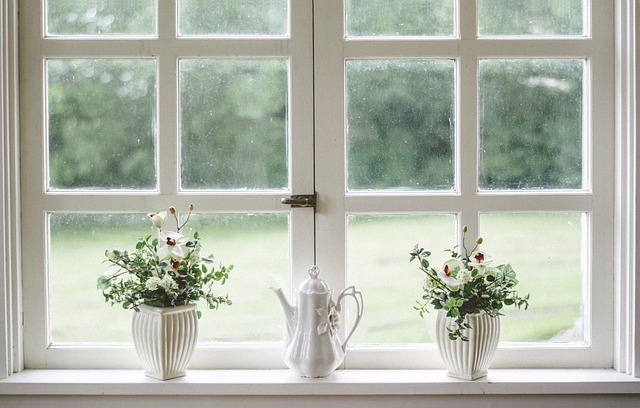
Walk into any well-designed room. Before you notice the sofa or the rug, you feel something. That feeling comes from light. Lighting as a home decor element shapes how a room looks, how large it feels, and how comfortable you are inside it. It is not a finishing touch. It is a design decision you make from the very start.
Many homeowners treat light fixtures as purely functional. They pick a ceiling light that fits the budget and move on. But that approach leaves a lot of value on the table. A well-chosen light fixture can be the focal point of a room. The right lamp can make a dark corner feel warm and inviting. Good lighting can make a small room feel twice as large.
According to the U.S. Department of Energy, lighting accounts for about 15 percent of a home’s electricity use. That means your lighting choices affect both your home’s look and your monthly bills. Choosing the right light fixtures is a smart design and financial decision.
Light shapes how we see decor
Every piece of furniture, every paint color, every fabric looks different depending on the light around it. A warm light source makes wood tones richer. A cool light source makes whites crisper. When you treat lighting as a home decor element from the start, your other design choices land the way you intended them to.
Light direction matters too. Light from above creates shadows that can make a room feel dramatic or harsh. Light from the side, like a table lamp or wall sconce, is softer and more flattering. Designers use both to create depth and dimension in a space. So next time you look at a room that feels off, check the light first.
Fixtures are decor, not just hardware
A chandelier is not just a light source. It is a statement piece. A cluster of pendant lights over a kitchen island is a design choice that tells guests something about your style. Even a simple table lamp with the right base and shade adds texture and personality to a room.
When you shop for light fixtures, think of them the same way you think about art or furniture. Ask yourself: Does this fixture match the style of the room? Does the scale feel right? Does the finish work with the other metals in the space? These questions help you use lighting as a true home decor element rather than just a utility.
Lighting as a home decor element is a design decision, not an afterthought. Your light fixtures shape how every other element in the room looks and feels. Choose them with the same care you give to furniture and color. Get this right and the whole room comes together.
The three layers of lighting every room needs
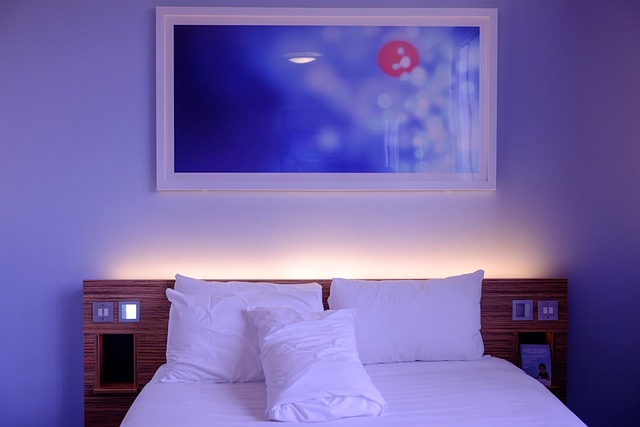
Professional designers never rely on a single light source. They use three distinct layers of lighting in every room. Each layer does a different job. Together, they make a space feel complete, flexible, and well-designed. This layered approach is the core of using lighting as a home decor element effectively.
The three layers are ambient lighting, task lighting, and accent lighting. Ambient light is your base layer. It fills the room with general light. Task lighting targets specific areas where you work or read. Accent lighting highlights objects, art, or architectural features. When all three layers are present, a room feels balanced and intentional.
Most rooms in average homes have only ambient lighting. That is why they feel flat. Adding task and accent light sources is often the single biggest upgrade you can make to a room’s decor without buying a single piece of furniture.
Ambient light sets the base tone
Ambient lighting is the general light that fills a room. It usually comes from ceiling fixtures, recessed lights, or large pendant lights. This layer makes the room usable. But on its own, it can feel flat and institutional.
The key to good ambient light is control. Dimmer switches let you adjust the intensity based on the time of day or the mood you want. A bright ambient light works for morning routines. A dimmed ambient light sets a relaxed tone for evenings. This flexibility makes ambient lighting a powerful home decor tool, not just a utility. See how our team approaches full-room design at Brown Interiors design services.
Task and accent light add depth
Task lighting goes where you need focused light. Think desk lamps, under-cabinet kitchen lights, and reading lamps beside a bed. These light sources are practical, but they also add visual interest. A well-placed desk lamp or a pair of matching bedside lamps creates symmetry and style.
Accent lighting is where decor and light truly merge. Use it to highlight a piece of art, a textured wall, or a built-in bookcase. Picture lights, track lighting, and LED strip lights all work well for accent purposes. This layer adds drama and draws the eye to the things you want people to notice. It is the detail that separates a designed room from a decorated one.
Choosing light fixtures that match your decor style
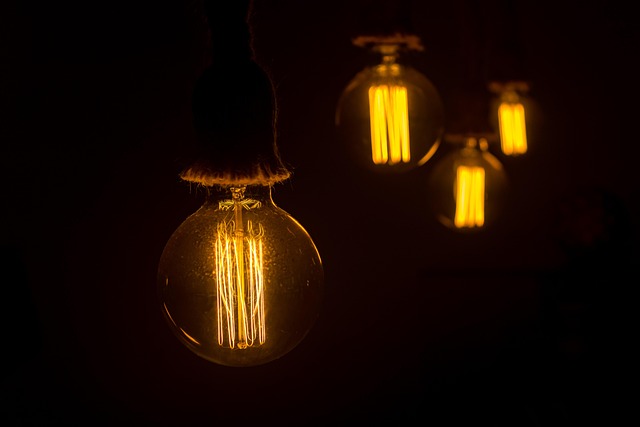
Light fixtures come in hundreds of styles. Picking the wrong one can make a beautifully decorated room feel disjointed. Picking the right one pulls the whole design together. When you treat lighting as a home decor element, fixture selection becomes as important as choosing a sofa or a dining table.
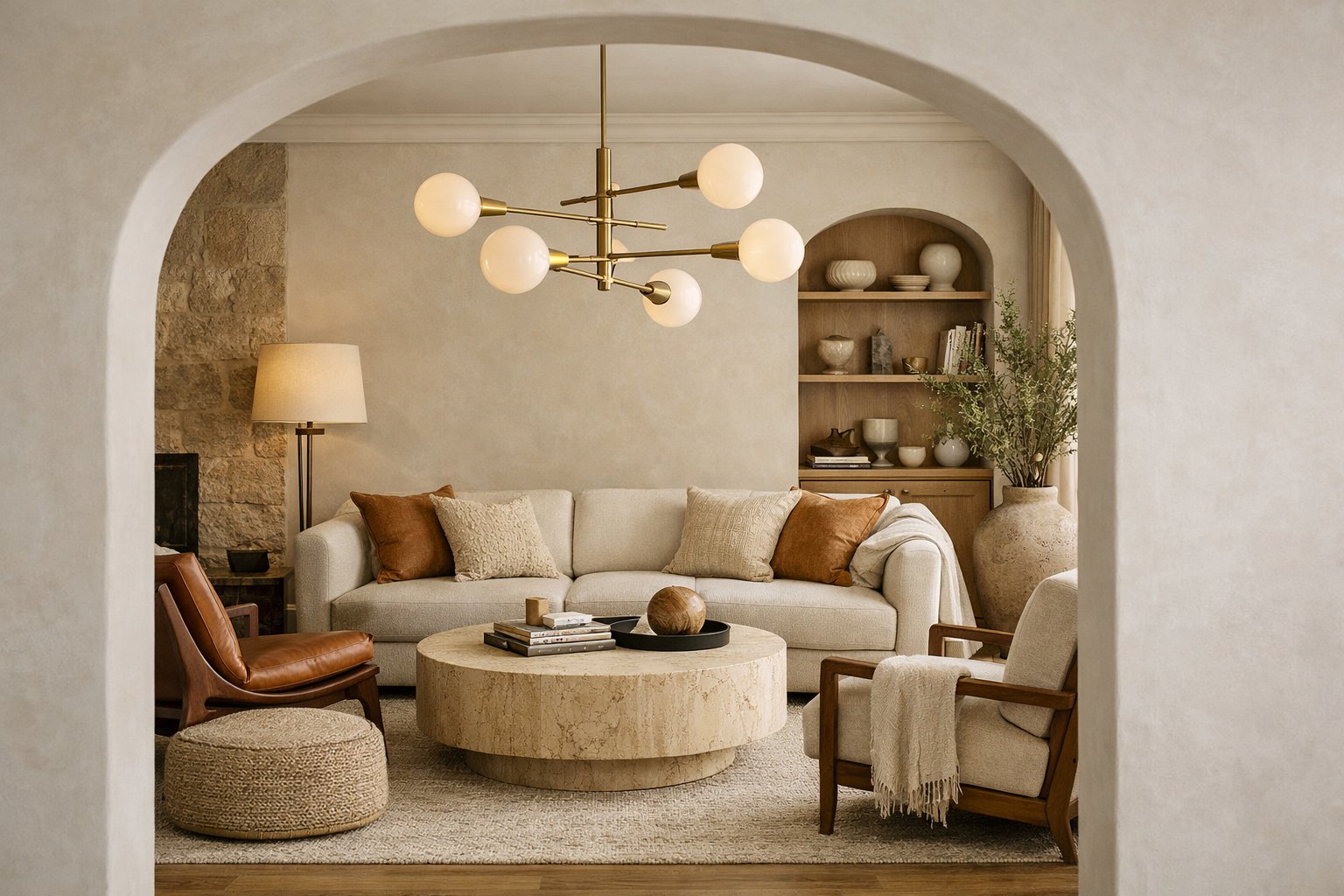
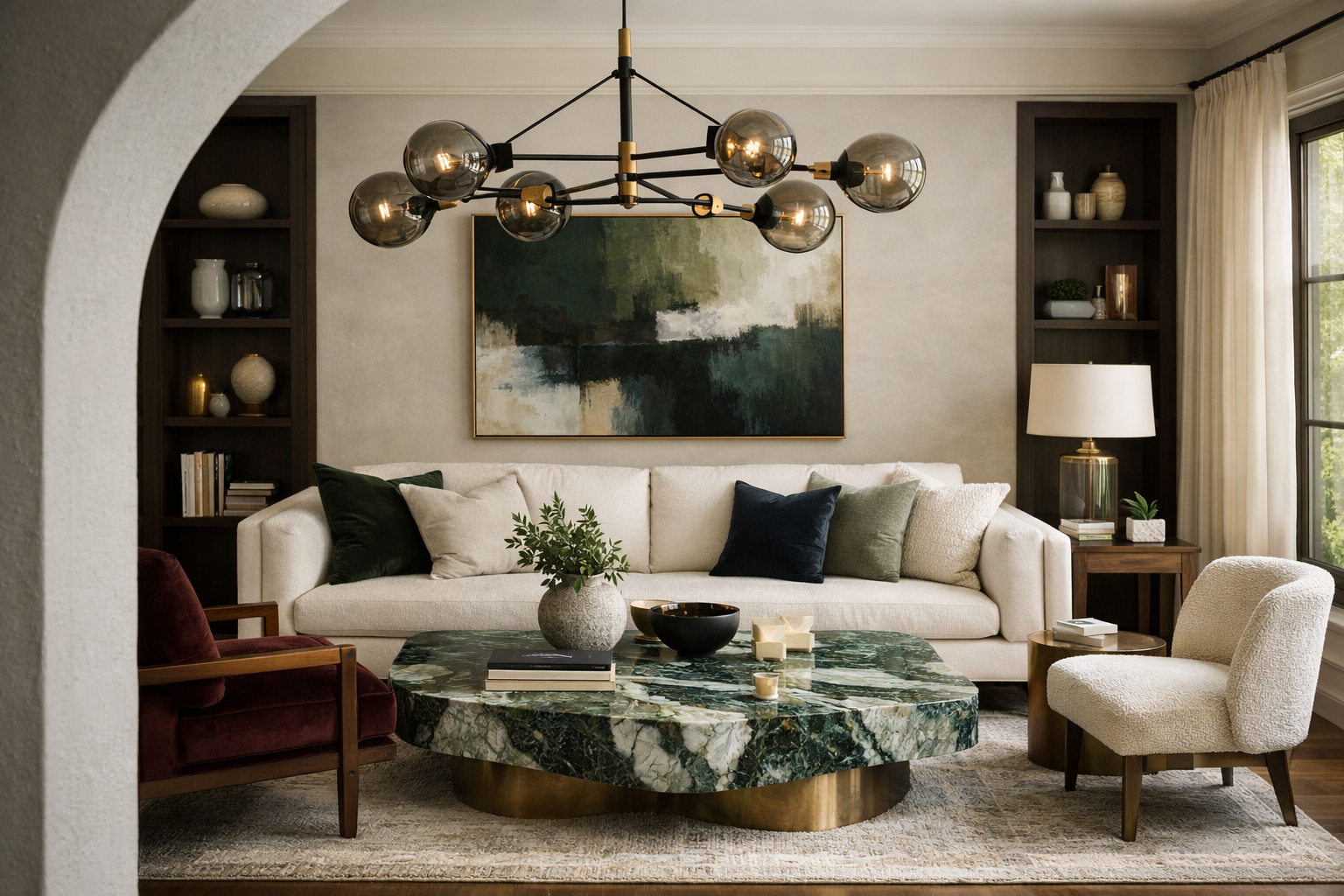
Start with your room’s overall style. A contemporary room calls for clean lines and minimal fixtures. A traditional room suits ornate chandeliers and classic lamp bases. Mid-century modern spaces look great with geometric pendants and warm-toned bulbs. The fixture style should feel like a natural extension of everything else in the room.
Next, think about scale. A tiny pendant light in a large dining room looks lost. An oversized chandelier in a small bedroom feels overwhelming. A general rule: the diameter of a chandelier in inches should roughly equal the room’s dimensions in feet added together. So a 12-by-14-foot room suits a chandelier about 26 inches wide.
Metal finishes and fixture materials
The finish on your light fixtures should connect to the other metals in the room. If your cabinet hardware is brushed nickel, a brass chandelier will feel out of place. Mixing metals can work, but it takes intention. Pick one dominant metal and use a second as an accent.
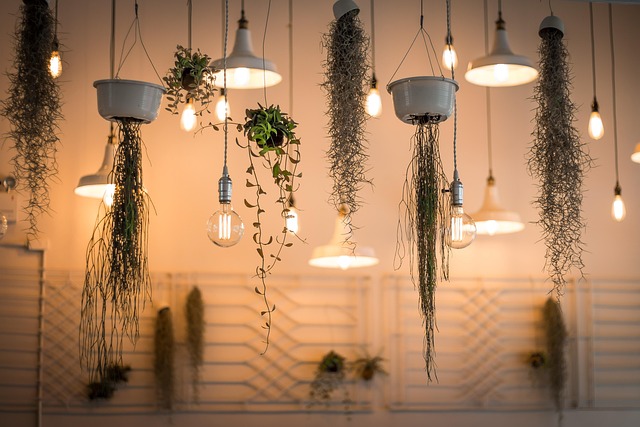
Material matters too. A rattan pendant light adds texture and warmth. A glass globe fixture feels light and airy. A wrought iron chandelier brings weight and drama. Each material sends a different design signal. Choose the one that fits the mood you want the room to have. For a look at how mixed materials work in real projects, browse the Jewel Box remodel project from our portfolio.
Bulb type changes everything
The bulb inside a fixture changes the entire character of the light it produces. Color temperature is measured in Kelvins. Bulbs around 2700K produce warm, amber light. Bulbs around 4000K produce cool, white light. Bulbs above 5000K produce daylight-quality light that feels clinical in most home settings.
For living rooms, bedrooms, and dining rooms, stay in the 2700K to 3000K range. This warm light makes people look good and spaces feel cozy. For kitchens and home offices, 3500K to 4000K gives you clarity without harshness. Getting the color temperature right is one of the easiest ways to improve your home decor without spending much money.
Before you buy a light fixture, hold a paint chip or fabric swatch next to a bulb with the color temperature you plan to use. Colors shift dramatically under different light temperatures. What looks perfect in the store can look completely different at home. Test first, then buy.
How lighting affects color, mood, and perceived space
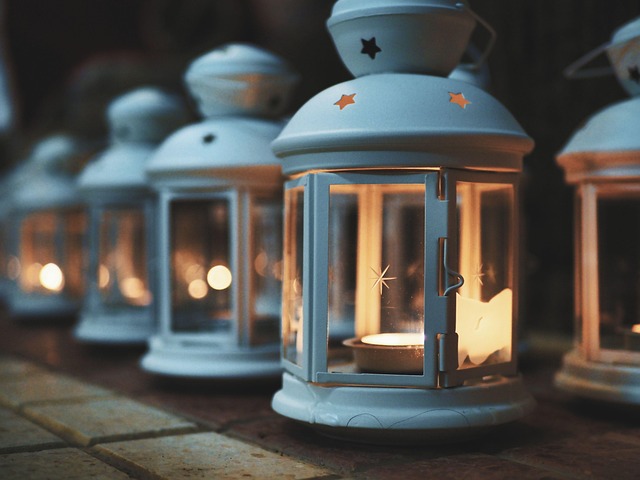
Light does not just illuminate a room. It changes how the room feels and how large it appears. This is one of the most powerful reasons to treat lighting as a home decor element from the planning stage. The same room can feel cozy or cold, large or cramped, depending entirely on how it is lit.
Warm light makes colors appear richer and more saturated. Cool light makes colors look more muted and precise. If you painted a wall a warm terracotta, a cool-toned bulb will wash out that warmth. A warm bulb will make that same wall glow. This is why paint colors always look different at different times of day. The light source is changing the color you see.
Light placement also affects how large a room feels. Lighting that washes the walls makes a room feel wider. Lighting that pools in the center makes a room feel smaller and more intimate. Designers use this intentionally. A small dining room can feel like a private restaurant booth with the right pendant light positioned low over the table.
Using light to set the mood
Mood lighting is not just a concept for restaurants. It works in your home too. The key is having multiple light sources at different heights and intensities. When all your light comes from one overhead fixture, the room has one mood: on or off. When you have ambient, task, and accent layers, you can create dozens of different moods.
For a relaxed evening in the living room, dim the overhead light and turn on the table lamps. For a dinner party, lower the dining room chandelier on a dimmer and add candles. For a productive work session, bring up the task light and keep the ambient light bright. Lighting as a home decor element gives you this kind of control over your space.
Natural light and decor planning
Natural light is the best light source you have. It changes throughout the day and brings life into a room. When planning your home decor, always account for how natural light moves through the space. A room that faces east gets bright morning light. A west-facing room glows in the afternoon. These patterns should influence your color choices and your window treatment decisions.
Window treatments control how much natural light enters a room. Sheer curtains diffuse light and keep it soft. Blackout curtains block it entirely. The right window treatment lets you manage natural light the same way a dimmer switch manages artificial light. At Brown Interiors, we offer custom window treatments that work with your lighting plan, not against it.
Do not choose your paint color before you know your light sources. Paint colors look completely different under warm versus cool light, and under natural versus artificial light. Always test paint swatches in the actual room at different times of day before committing. This one step prevents expensive repaints.
Room-by-room lighting decor guide for your home
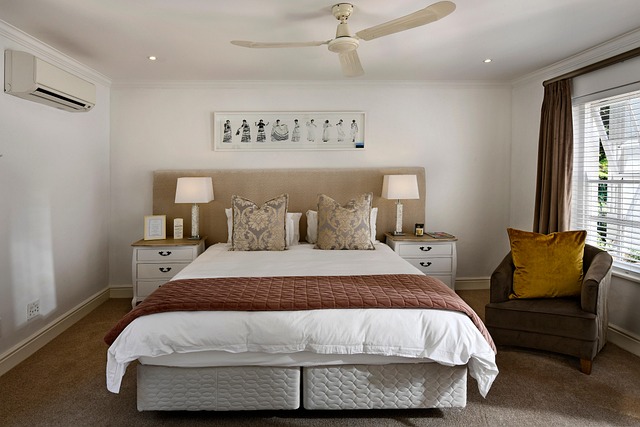
Each room in your home has different lighting needs. The living room needs flexibility. The kitchen needs clarity. The bedroom needs calm. The bathroom needs accuracy. When you treat lighting as a home decor element in each room individually, you get a home that feels designed from top to bottom.
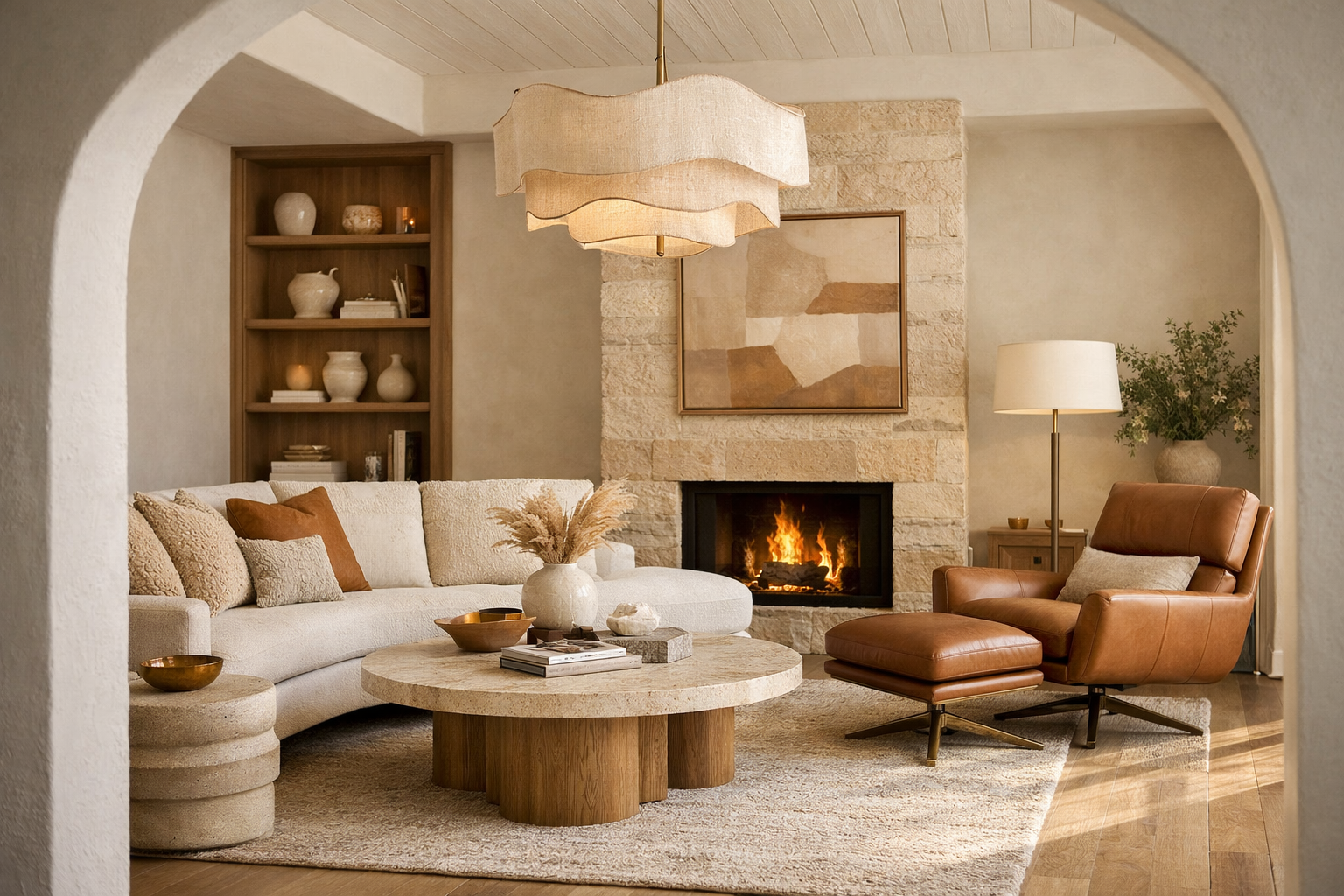
The living room is where layered lighting matters most. Start with a central ambient fixture on a dimmer. Add floor lamps in corners to lift the light level without harsh overhead glare. Use table lamps to create warm pools of light near seating areas. If you have art or a fireplace, add accent lighting to draw attention to those features.
The kitchen needs the most task lighting of any room. Under-cabinet lights are essential for countertop work. Pendant lights over an island add style and focused light. Recessed lights provide general ambient coverage. A well-lit kitchen is safer and more pleasant to work in. According to the U.S. Department of Housing and Urban Development, good interior lighting directly affects safety and well-being in residential spaces.
Bedroom and bathroom lighting tips
The bedroom should feel calm and restful. Avoid harsh overhead lighting as your main source. Instead, use bedside lamps for reading and a soft ambient fixture on a dimmer for general light. If you have a ceiling fan with a light kit, make sure the bulbs are warm-toned. Cool white light in a bedroom makes it hard to wind down.
The bathroom needs two things: good task lighting for grooming and flattering ambient light for everything else. Side-mounted vanity lights at face height are far better than overhead lights for grooming tasks. Overhead lights cast shadows that make it hard to apply makeup or shave accurately. Add a dimmer to the ambient fixture so the bathroom can shift from bright morning mode to relaxing evening mode.
Dining room and entryway lighting
The dining room chandelier is one of the most visible light fixtures in any home. It should hang 30 to 36 inches above the table surface. It should be roughly half to two-thirds the width of the table. A chandelier that is too small looks like an afterthought. One that is too large overwhelms the space.
The entryway sets the first impression of your home. A statement pendant or chandelier here tells guests what to expect from the rest of the space. Keep the light warm and welcoming. Add a table lamp on a console table if space allows. This creates a layered look right at the front door. First impressions in home decor are made in seconds, and lighting is the first thing people feel when they walk in.
You do not need to redo every room at once. Start with the room where you spend the most time. Add one layer of lighting you are missing. If you only have overhead light, add a floor lamp or table lamp. If you have no accent lighting, add a picture light or a small spotlight aimed at something you love. Each small change makes the room feel more designed. Over time, these changes add up to a home that feels intentional and personal. That is what treating lighting as a home decor element actually looks like in practice.
Lighting as a home decor element is the detail most homeowners overlook and most designers prioritize. The right light fixtures, the right layers, and the right color temperature can change how every room in your home looks and feels. You do not need a full renovation to see a difference. Sometimes one new lamp or a dimmer switch is enough to shift a room completely.
At Brown Interiors, our team has been helping Houston-area homeowners get lighting right for 30 years. We plan lighting as part of every design project, from new construction to single-room refreshes. If you are ready to see what the right lighting can do for your home, visit our design services page or call us at 281-412-5305 to schedule a consultation. We work with homes across Pearland, Sugar Land, Katy, The Woodlands, and the greater Houston metro area.
Lighting is the first thing I plan and the last thing most clients think about. When I walk into a room that feels wrong, I look at the light before I look at anything else. Nine times out of ten, that is where the problem is. Add the right lamp, adjust the color temperature, or put a dimmer on the overhead fixture, and the whole room shifts. Lighting as a home decor element is not optional. It is the foundation everything else sits on.
Lighting as a home decor element works on three levels: it sets the mood, defines the space, and makes your other design choices look their best. Use three layers of light in every room, choose fixtures that match your style, and always put ambient lights on dimmers. These three habits will change how your home looks and feels.
Frequently Asked Questions
What does it mean to use lighting as a home decor element?
It means choosing light fixtures, bulb types, and light placement as intentional design decisions. Good lighting makes your furniture, colors, and art look their best. It also sets the mood of a room. Treat every light source as part of the decor, not just a utility.
How many light sources does a room need for good home decor?
Most rooms need at least three light sources across the three layers: ambient, task, and accent. A single overhead light is rarely enough. Multiple light sources at different heights create depth and make a room feel designed. Start with ambient light, then add task and accent sources.
What bulb color temperature works best for home decor lighting?
For living rooms and bedrooms, use bulbs between 2700K and 3000K. This warm range makes colors look rich and spaces feel cozy. Kitchens and home offices work better at 3500K to 4000K. Avoid bulbs above 4000K in living spaces. They produce a harsh, clinical light that most people find uncomfortable.
How do I choose the right size light fixture for a room?
Add the room’s length and width in feet. That total in inches is a good starting diameter for a chandelier or pendant. For dining tables, the fixture should be half to two-thirds the table width. Scale is one of the most common lighting mistakes. A fixture that is too small looks like an afterthought.
Can lighting as a home decor element make a small room look bigger?
Yes. Wall-washing light makes a room feel wider by drawing attention to the perimeter. Uplighting makes ceilings feel higher. Mirrors placed near light sources double the perceived brightness and space. Avoid a single central light source in small rooms. Multiple light sources at different heights always make a space feel larger.
Step-by-Step Process
Step-by-Step: How to Plan Lighting as a Home Decor Element
1. Assess your current light sources in each room
2. Identify which of the three layers are missing
3. Choose your ambient light fixture and put it on a dimmer
4. Add task lighting where you read, cook, or work
5. Select accent lighting to highlight art or features
6. Pick fixture styles that match your room’s decor
7. Choose the right bulb color temperature for each space
8. Check that fixture scale fits the room dimensions
9. Coordinate metal finishes across all fixtures in the room
10. Test the full lighting plan at night before finalizing
Quick Reference: What Is Lighting as a Home Decor Element?
Lighting as a home decor element means using light fixtures, bulb types, and light placement as active design tools. It is not just about visibility. Light sets the mood of a room. It makes colors look warmer or cooler. It makes spaces feel larger or more intimate. So good lighting works on three layers: ambient, task, and accent. Each layer does a different job. Together, they make a room feel complete. Light fixtures are also decor objects. A chandelier, a pendant, or a table lamp adds style, texture, and personality. Then the bulb color temperature changes how every other element in the room looks. In short, lighting as a home decor element is the foundation of a well-designed space.