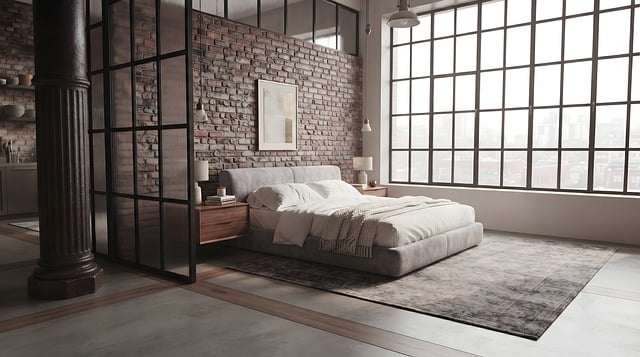
Your home should feel calm. But clutter creeps in fast. Suddenly, every surface holds something. Every room feels busy. Minimalist home decor fixes that. It strips away the excess. It keeps only what matters. The result is a space that breathes. A space that feels intentional. A space that actually feels like yours.
Minimalist home decor is not about bare walls or cold rooms. It is about choosing quality over quantity. It means fewer pieces, but better ones. Calm colors. Clean lines. Spaces that feel peaceful on purpose. At Brown Interiors, our professional interior design and home decor services are led by a designer with 30 years of interior design experience who has helped Houston-area homeowners build beautiful, intentional spaces. This guide shows you exactly how to do the same. You will learn what minimalist home decor really means. You will get practical steps to start today. And you will see why less truly is better.
1. What Minimalist Home Decor Really Means
2. Choosing the Right Minimalist Color Palette
3. Minimalist Furniture: Quality Over Quantity
4. Decluttering Your Space the Minimalist Way
5. Minimalist Decor Accents That Add Purpose
6. How to Maintain Your Minimalist Home Long-Term
What Minimalist Home Decor Really Means
Minimalist home decor is a design approach. It focuses on purpose. Every item in your home earns its place. Nothing sits there just to fill space. This style grew from the minimalist art movement of the mid-20th century. But today, it is one of the most popular home design choices in America.
The core idea is simple. Less clutter means less stress. Research from Princeton University Neuroscience Institute shows that visual clutter competes for your attention. It makes you feel anxious without knowing why. Minimalist home decor removes that friction. It gives your brain room to rest.
Minimalist design is not the same as empty design. A minimalist room still has warmth. It still has texture. It still has personality. But every element serves a purpose. Each piece is chosen with care.
Core Principles of Minimalist Style
Minimalist home decor follows a few clear rules. First, function comes before form. A beautiful lamp that also lights your reading corner is better than a decorative piece that does nothing. Second, quality beats quantity every time. One well-made sofa outlasts three cheap ones. Third, negative space is your friend. Empty wall space is not wasted space. It is breathing room.
So what does a minimalist home actually look like? Think clean surfaces. Think a few carefully chosen art pieces. Think furniture with simple, honest shapes. Think storage that hides clutter from view. These choices work together. They create a home that feels calm and complete.
Minimalism vs. Bare and Cold Spaces
Many people fear minimalist home decor will feel cold. That fear makes sense. But it is not accurate. The difference is warmth through intention. A minimalist room uses natural textures. Think linen, wood, stone, and wool. These materials add depth without adding clutter. They make a room feel grounded.
Color also plays a big role. Minimalist decor does not mean only white walls. Warm neutrals like sand, taupe, and soft gray create comfort. So do muted greens and earthy tones. The key is keeping the palette calm and consistent. You want the eye to rest, not race around the room.
At Brown Interiors, our lead designer brings three decades of interior design experience across Pearland and the Houston metro. We know how to make a minimalist home feel warm, personal, and livable.
Key Takeaway: Minimalist home decor is not about having less for its own sake. It is about keeping only what adds value. Every piece you choose should serve a purpose or bring you genuine joy. When your home holds only intentional items, it feels calmer, cleaner, and more like you.
Choosing the Right Minimalist Color Palette
Color sets the tone for minimalist home decor. Get it right and your whole space feels cohesive. Get it wrong and even a clutter-free room feels off. The goal is a calm, unified palette. You want colors that work together without competing.
Start with a base neutral. White, off-white, warm beige, or soft gray all work well. This base covers your walls and large furniture. Then add one or two accent colors. Keep them muted. Dusty blue, sage green, terracotta, and warm camel are all strong choices. These accents appear in pillows, throws, small decor items, and art.
Color consistency is one of the top factors in how calm a space feels. Minimalist home decor uses this principle directly. A consistent palette ties every room together. It makes your home feel like one intentional space, not a collection of separate rooms.
Building a Neutral Base That Works
Your neutral base is the foundation of minimalist decor. Choose it carefully. Warm whites work best in rooms with natural light. Cool grays suit modern, urban spaces. Soft beige adds warmth to any room. Test your base color in different lighting before committing. Paint a large swatch. Live with it for a few days.
Also think about undertones. A white with pink undertones clashes with warm wood floors. A gray with blue undertones can feel cold in a north-facing room. Minimalist home decor depends on these details. Small color decisions have big visual impact when the room is simple.
Adding Accent Colors Without Clutter
Accent colors in minimalist home decor should appear in small doses. A common design guideline is the 60-30-10 rule. Sixty percent of your room is your base neutral. Thirty percent is a secondary tone, often in furniture or rugs. Ten percent is your accent color in small items.
This ratio keeps the room calm. It gives the eye a clear path. Your accent color draws attention to the right spots. A sage green throw on a white sofa. A terracotta vase on a wood shelf. These small touches add life without adding noise. They make minimalist decor feel warm and personal, not sterile.
Brown Interiors’ design team helps clients in the Houston area build these palettes from scratch. You can explore our design process and approach to see how we bring minimalist color strategies to life in real homes.
Minimalist Furniture: Quality Over Quantity
Furniture is the backbone of minimalist home decor. Choose wrong and the whole room suffers. Choose right and even a simple room looks stunning. The rule is clear: buy fewer pieces, but buy better ones. A single well-crafted sofa beats three mismatched chairs every time.
Minimalist furniture has clean lines. It avoids heavy ornamentation. Think solid wood frames, simple upholstery, and honest construction. Mid-century modern and contemporary styles both work well with minimalist decor. Both prioritize form and function. Both age gracefully.
Scale matters too. Oversized furniture in a small room kills the minimalist feel. Undersized pieces in a large room look lost. Each furniture item should fit the room’s proportions. It should leave enough open floor space to breathe. Negative space around furniture is part of the design, not an accident.
Selecting Furniture With Purpose
Every furniture piece in a minimalist home should earn its place. Ask two questions before buying anything. First, does it serve a function? Second, does it add beauty? If the answer to both is yes, it belongs. If only one is yes, think carefully. If neither is yes, skip it.
Multi-functional furniture is a minimalist’s best friend. A storage ottoman serves as a seat, a footrest, and a place to hide blankets. A bed with built-in drawers removes the need for a separate dresser. These choices reduce the number of pieces in a room. They keep the space open and clean.
Also consider material quality. Solid wood, genuine leather, and high-quality fabric last longer. They look better over time. Cheap materials wear out fast. They end up in landfills. Minimalist home decor is also a more sustainable approach to furnishing your home.
Arranging Furniture for Open Flow
Furniture arrangement shapes how a minimalist room feels. Pull furniture away from walls slightly. This creates depth. It makes the room feel larger. Group pieces to define zones in open-plan spaces. A sofa and two chairs around a coffee table create a clear living area. A small desk and lamp define a reading nook.
Leave clear pathways through every room. You should be able to walk through without weaving around furniture. This open flow is central to minimalist home decor. It makes the space feel intentional. It makes daily life easier. And it makes the room photograph beautifully, which is a nice bonus.
Brown Interiors offers space planning as part of our full interior design services. Our team creates detailed drawings that show exactly how furniture will fit before you buy a single piece.
Pro Tip: Before buying new minimalist furniture, measure your room carefully. Draw a simple floor plan to scale. Place furniture cutouts on the plan first. This prevents costly mistakes. It also helps you see how much open floor space you will have. As a general guideline, aim for at least 18 inches of clearance around major furniture pieces.
Decluttering Your Space the Minimalist Way
Decluttering is the first real step in minimalist home decor. You cannot layer a minimalist design over a cluttered home. The clutter has to go first. But decluttering does not mean throwing everything away. It means being honest about what you actually use and love.
Start room by room. Do not try to do the whole house at once. Pick one room. Take everything out. Then put back only what belongs. Ask yourself three questions about each item. Do I use it regularly? Do I love it? Does it have a clear home in this room? If the answer to all three is no, the item does not belong.
Storage is part of minimalist decor too. Hidden storage keeps surfaces clear. Built-in shelves, closed cabinets, and under-bed storage all help. The goal is a home where everything has a place. And everything is in its place.
The One-In One-Out Rule for Minimalist Homes
Once you declutter, you need a system to stay that way. The one-in one-out rule is the simplest system. Every time something new comes into your home, something old leaves. Buy a new lamp? Donate the old one. Get a new throw pillow? Remove one from the sofa.
This rule prevents the slow creep of clutter. It forces you to be intentional about every purchase. It also makes you think twice before buying something new. That pause is valuable. It saves money. It keeps your minimalist home decor looking sharp. And it keeps your space feeling calm year after year.
Also schedule a seasonal review. Four times a year, walk through your home. Look for items that no longer serve a purpose. Donate, sell, or discard them. This habit keeps minimalist decor from drifting back toward clutter.
Smart Storage Solutions for Clean Surfaces
Clean surfaces are the visual signature of minimalist home decor. But clean surfaces require smart storage. You need places to put things that are out of sight but easy to reach. Built-in cabinetry is the gold standard. It uses wall space efficiently. It keeps everything hidden.
For rooms without built-ins, choose furniture with storage built in. Sideboards in dining rooms. Storage benches in entryways. Ottomans in living rooms. Nightstands with drawers in bedrooms. Each piece does double duty. It looks clean from the outside. It holds the everyday items you need inside.
Also think about your entryway. This is where clutter starts. Shoes, bags, mail, and keys pile up fast. A simple bench with hooks above it solves most of this. Add a small tray for keys and mail. Keep it edited. Your entryway sets the tone for your whole minimalist home.
Common Mistake to Avoid: Do not declutter all at once and then stop. Many people do a big purge and feel great. Then clutter slowly returns over months. The real work of minimalist home decor is the ongoing habit. Set a monthly 15-minute walk-through. Remove anything that does not belong. Small, regular edits beat one big annual overhaul every time.
Minimalist Decor Accents That Add Purpose
Minimalist home decor still uses accents. It just uses them differently. In a maximalist home, accents fill every surface. In a minimalist home, each accent is chosen with care. Each one earns its spot. The result is that every accent item actually gets noticed. It has room to breathe. It makes an impact.
The best minimalist accents serve a purpose or tell a story. A single piece of art that you genuinely love. A ceramic vase that holds fresh stems. A woven basket that stores blankets. A quality rug that anchors the seating area. These items add warmth and personality without adding noise.
Natural elements work especially well in minimalist decor. Plants bring life and color. Wood adds warmth. Stone adds texture. Linen adds softness. These materials connect your home to the natural world. They make a minimalist space feel alive, not empty.
Choosing Art for Minimalist Spaces
Art is one of the most personal parts of minimalist home decor. The rule is simple: choose less, but choose better. One large statement piece beats a gallery wall of small prints. A single framed photograph that means something to you beats a dozen generic prints.
Scale your art to your wall. A small piece on a large wall looks lost. A large piece on a small wall can overwhelm. As a general guide, art should cover about 60 to 75 percent of the width of the furniture it hangs above. This proportion feels balanced. It looks intentional.
Also consider the frame. Simple frames in natural wood, black, or white work best with minimalist decor. Ornate frames draw attention to themselves. They compete with the art. In minimalist design, the art should speak. The frame should stay quiet. According to The Smithsonian Institution, how art is displayed affects how viewers perceive and connect with it — a principle that applies directly to home decor choices.
Plants and Natural Textures in Minimalist Rooms
Plants are a minimalist decorator’s secret weapon. They add color, life, and texture. They improve air quality. And they do all of this without adding visual clutter. A single large plant in a simple pot makes more impact than a dozen small ones scattered around.
Choose plants that suit your light and lifestyle. A fiddle-leaf fig in a bright corner. A snake plant in a low-light bedroom. A trailing pothos on a high shelf. Each one adds a natural element that softens the clean lines of minimalist home decor.
Texture also matters in minimalist spaces. When you have fewer items, each one gets more attention. So choose textures that feel good and look interesting. A chunky knit throw. A smooth ceramic bowl. A rough linen pillow. These contrasts add depth to a minimalist room. They make it feel layered without feeling cluttered.
Brown Interiors helps clients across the Houston area bring these natural elements into calm, intentional homes. See real project examples on our design inspiration blog for ideas you can use in your own home.
What This Means for You: You do not need to spend a lot to create beautiful minimalist home decor. You need to spend intentionally. Start with what you already own. Edit ruthlessly. Keep only the pieces that serve a purpose or bring genuine joy. Then add one or two quality accents that reflect your personality. A plant. A piece of art. A quality rug. These small, intentional choices transform a room. They make minimalist decor feel personal, warm, and completely yours. The goal is not perfection. The goal is a home that feels calm and right every single day.
Minimalist home decor is one of the most rewarding design choices you can make. It takes work upfront. But the result is a home that feels calm, intentional, and genuinely beautiful. You start with a clear color palette. You choose furniture with purpose. You declutter with honesty. You add accents that earn their place. Each step builds on the last. Together, they create a minimalist home that feels like a true retreat.
The best part is that minimalist decor is not a trend. It is a lasting approach to living well. It saves money over time. It reduces stress. It makes your home easier to maintain. And it makes every room feel better to be in. Ready to start your minimalist home decor journey? Embrace minimalist living and schedule a styling consultation with Brown Interiors. Our lead designer in Pearland, TX has 30 years of experience helping Houston-area homeowners create spaces that feel peaceful and intentional. Visit our interior design services page to book your consultation today.
Expert Insight from Brown Interiors: Minimalist home decor is not about deprivation. It is about intention. When a room holds only what matters, every element becomes more meaningful. Calm color palettes reduce cognitive load. Clean surfaces lower stress. And quality pieces chosen with care create spaces that feel both beautiful and deeply personal. The homes that age best are the ones designed with restraint.
Key Takeaway: Minimalist home decor works because it removes the noise. It keeps only what adds real value. A calm palette, quality furniture, intentional accents, and smart storage all work together. The result is a home that feels peaceful every day, not just after a big clean. Start small. Edit often. Choose quality. Your minimalist home will reward you for years.
Frequently Asked Questions
What is minimalist home decor?
Minimalist home decor is a design style that focuses on purpose and quality. It keeps only essential pieces. It uses calm color palettes and clean lines. Minimalist decor removes clutter. It creates spaces that feel peaceful and intentional. Every item in a minimalist home earns its place.
How do I start with minimalist home decor?
Start by decluttering one room. Remove everything. Then return only items you use or love. Choose a calm neutral color palette. Pick furniture with clean lines and real quality. Add one or two intentional accents. Minimalist decor builds from these simple, honest choices made one room at a time.
Does minimalist home decor have to feel cold or empty?
No. Minimalist home decor can feel very warm. Use natural textures like linen, wood, and wool. Add plants for life and color. Choose warm neutral tones instead of stark white. Minimalist decor feels cold only when texture and warmth are ignored. Done right, it feels calm and inviting.
What colors work best for minimalist home decor?
Warm neutrals work best for minimalist home decor. Think soft white, warm beige, and light gray as base colors. Add muted accents like sage green, dusty blue, or terracotta. Minimalist decor uses the 60-30-10 color rule. Keep the palette consistent across rooms for a calm, unified feel.
How is minimalist decor different from modern decor?
Minimalist home decor focuses on reducing items to only what is essential. Modern decor focuses on current design trends and clean aesthetics. Both share clean lines and simple forms. But minimalist decor goes further. It prioritizes intentional living. Modern decor can include more pieces and bolder design statements.
Step-by-Step Process
Step-by-Step Guide to Minimalist Home Decor
1. Audit every room and list what you own
2. Declutter ruthlessly, keeping only essentials
3. Choose a calm neutral base color palette
4. Select two muted accent colors maximum
5. Pick quality furniture with clean, simple lines
6. Arrange furniture for open flow and breathing room
7. Add smart hidden storage to clear surfaces
8. Choose one or two intentional accent pieces per room
9. Bring in natural textures and one statement plant
10. Apply the one-in one-out rule going forward
Quick Reference: What Is Minimalist Home Decor?
Minimalist home decor is a design style built on one idea: less is better. It keeps only items that serve a purpose or bring real joy. So every piece in a minimalist home is chosen with care. Minimalist decor uses calm color palettes, usually warm neutrals with one or two muted accents. It favors quality furniture over many cheap pieces. Clean surfaces, open floor space, and natural textures are all part of minimalist design. The goal is a home that feels peaceful and intentional every day. Minimalist home decor is not about deprivation. It is about choosing better, not more.
Additional Resources
• Interior Design Services at Brown Interiors — Explore our full range of residential interior design and home decor services for Houston-area homeowners looking to create intentional, beautiful spaces.
• Design: What We Do at Brown Interiors — Learn about our design process, from initial consultation through final styling, and see how we approach every project with purpose and care.
• Interior Design Blog — Browse real project photos, design tips, and style inspiration from the Brown Interiors team to fuel your minimalist home decor journey.
• The Tree House Project — See a real Brown Interiors design project that demonstrates how intentional, quality-focused decor transforms a living space completely.
Reviewed by Deborah Brown, Founder & CEO / Lead Designer · Updated

About the author
Deborah Brown
Founder & CEO / Lead Designer
Deborah Brown is the Founder & CEO and Lead Designer of Brown Interiors, a full-service interior design firm in Pearland, Texas. She leads residential and commercial design projects across the Houston area, including space planning, furniture selection, and renovation and remodeling services. Brown completed her formal interior design studies in 1995 and has worked in the field for 30 years. She has also served as Past President of the Board for the Pearland Neighborhood Center. Brown Interiors' showroom is located at 2640 Broadway St, Suite 102, Pearland, Texas.