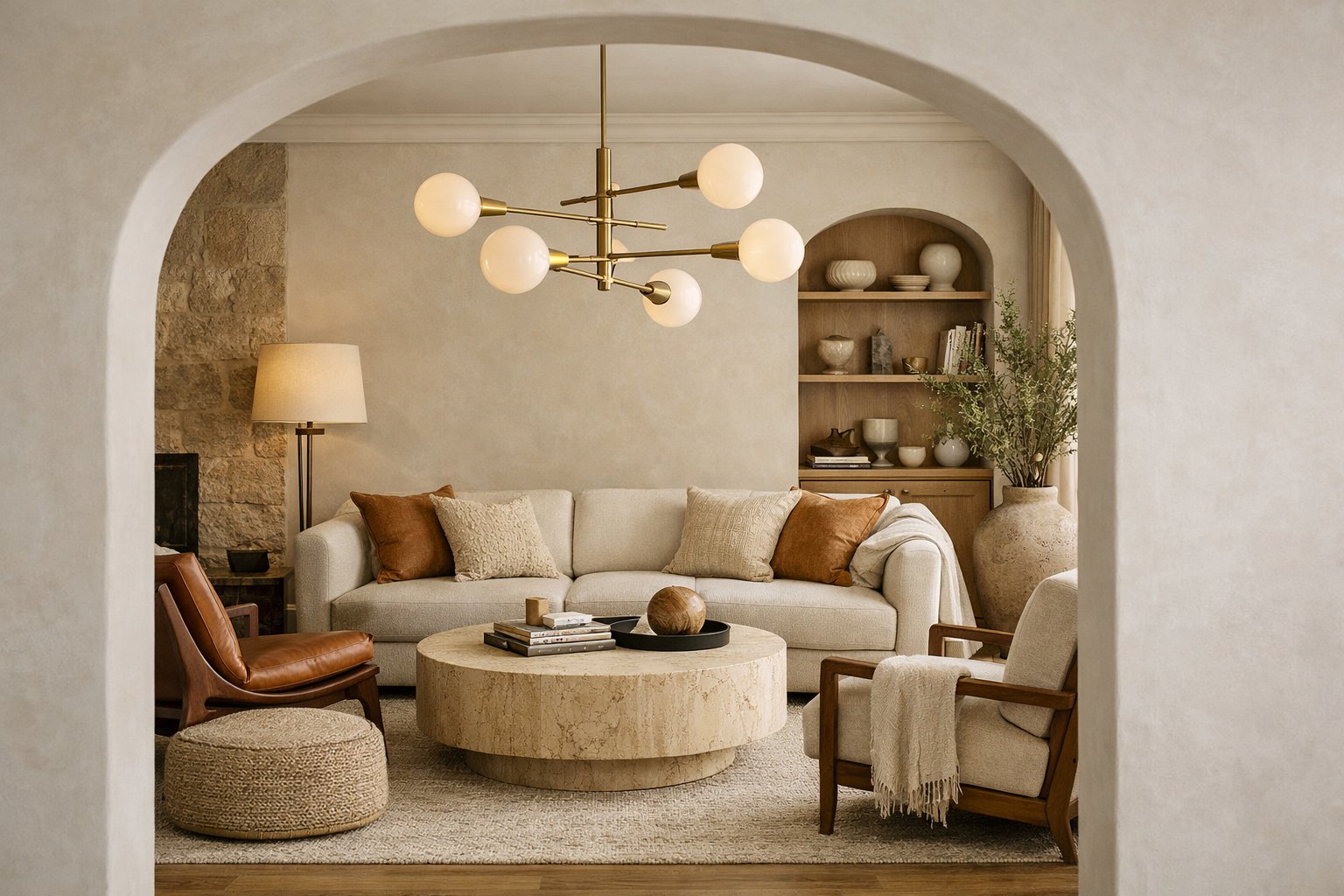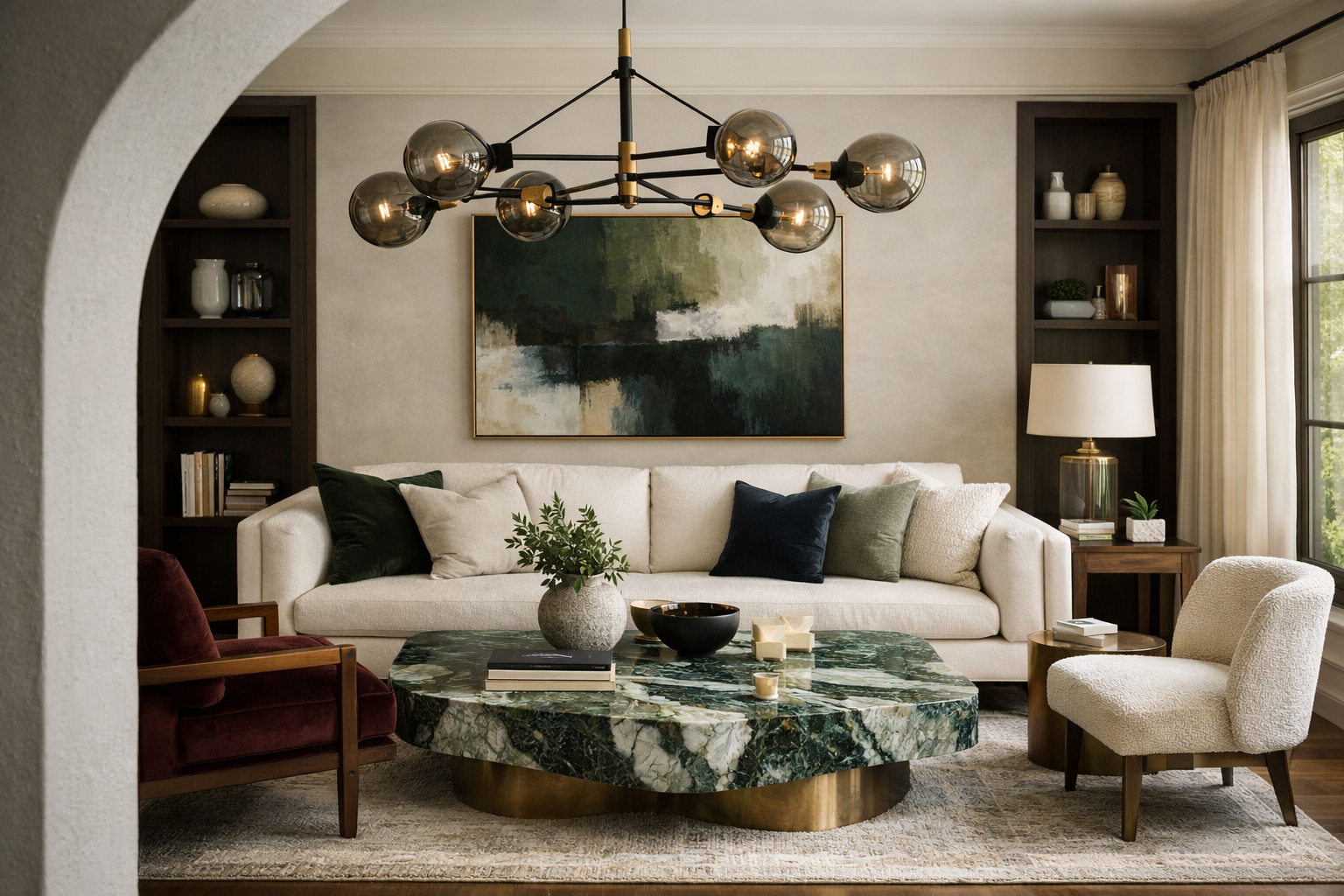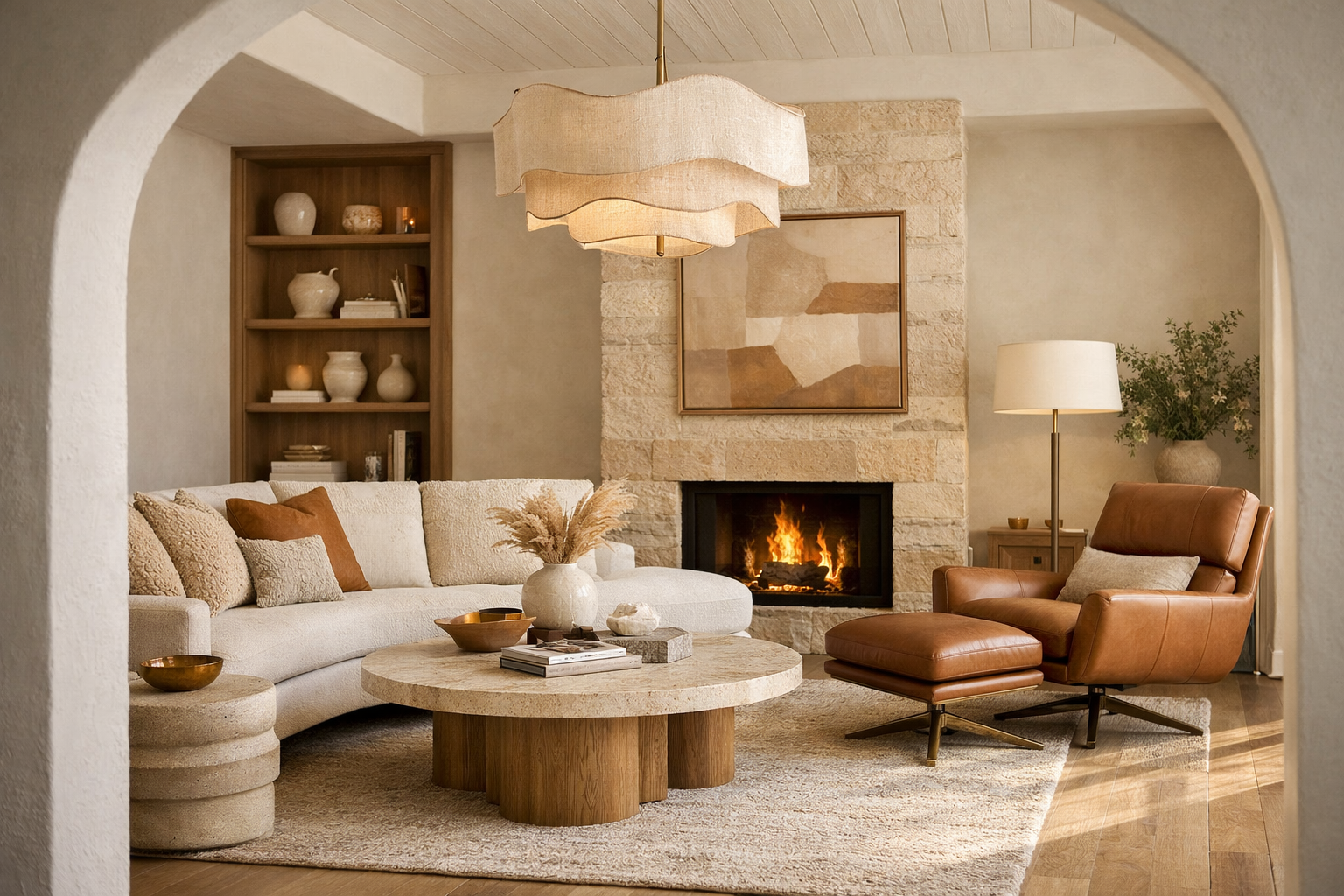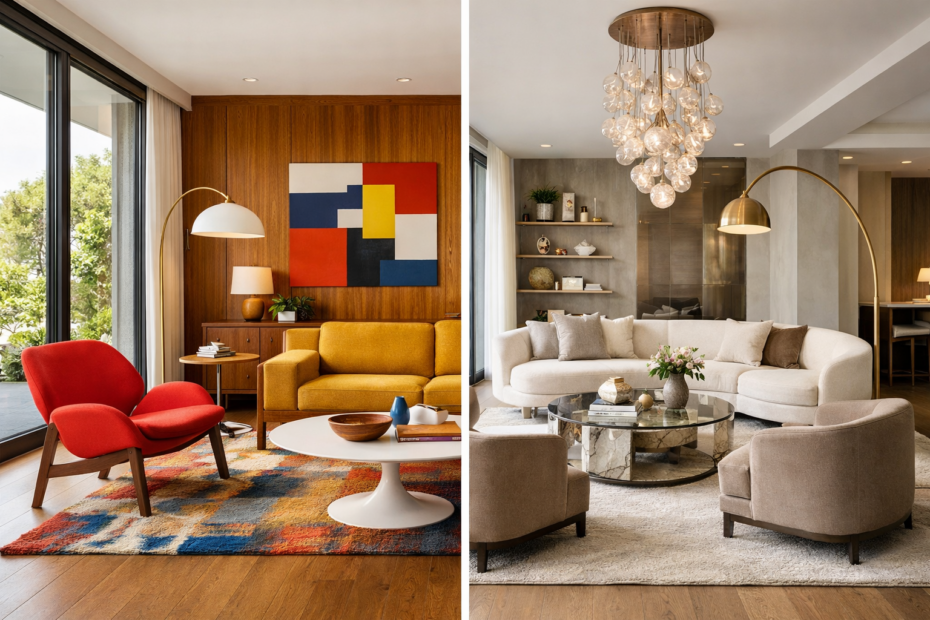
Modern vs contemporary interior design confuses many homeowners. Both styles offer clean lines and simple forms. Yet they represent different design eras and philosophies.
Understanding modern vs contemporary interior design helps you create the home you want. This guide explains the key differences between these two popular styles. You’ll learn which approach fits your lifestyle best.
At Brown Interiors, our certified design team has created hundreds of modern and contemporary spaces since 1983. We help clients in Pearland and Houston understand these design distinctions. Then we bring their vision to life.
Table of Contents
- What Modern vs Contemporary Interior Design Really Means
- The Historical Roots of Each Design Style
- Key Differences Between Modern and Contemporary Design
- Design Elements That Define Each Style
- How to Choose Between Modern vs Contemporary Interior Design
- Frequently Asked Questions
What Modern vs Contemporary Interior Design Really Means
Modern vs contemporary interior design represents two distinct approaches to home styling. Modern design refers to a specific historical period. Contemporary design describes what’s current right now.
Modern interior design emerged from the modernist movement of the early to mid-1900s. This design style follows strict rules and principles. It celebrates function over decoration and embraces simplicity.
Modern Design Core Principles
Modern interior style focuses on clean lines and minimal ornamentation. The design philosophy emphasizes form following function. Each piece serves a clear purpose in the space.
Natural materials play a key role in modern design. Wood, leather, and stone appear throughout modern interiors. These materials add warmth to otherwise minimalist spaces.
Color palettes in modern design remain neutral and earthy. Browns, beiges, and natural tones dominate the modern interior. Bold accent colors appear sparingly and strategically.
Contemporary Design Core Principles
Contemporary interior design reflects current trends and innovations. This design style evolves constantly with changing tastes. It borrows elements from various design movements freely.
Contemporary home design embraces curves and softer lines. The contemporary style allows more flexibility than modern design. Spaces feel less rigid and more organic.
Contemporary interiors use a broader color range than modern spaces. Black, white, and gray create a neutral base. Bold colors accent walls, furniture, and accessories throughout.
The distinction between modern and contemporary affects every design choice. Understanding these differences helps you communicate your vision clearly.
Why the Confusion Exists
People use “modern” and “contemporary” interchangeably in casual conversation. This creates confusion when discussing interior design styles. The terms mean very different things to design professionals.
Modern design has fixed characteristics from a specific era. Contemporary design changes with each passing year and season. What feels contemporary today may feel dated tomorrow.
Expert Insight from Deborah Brown, Founder of Brown Interiors:
“Many clients initially ask for a modern look. But after discussion, they want contemporary styling instead. Understanding modern vs contemporary interior design helps us create exactly what they envision.”
The Historical Roots of Each Design Style
Modern vs contemporary interior design stems from different time periods. Modern design has clear historical boundaries. Contemporary design exists in the present moment always.
The Birth of Modern Design
Modern interior style emerged between 1920 and 1950. The Bauhaus school in Germany influenced this movement heavily. Designers rejected ornate Victorian and traditional European styles completely.
World War I changed how people viewed design and function. The modern movement embraced industrial materials and mass production. Steel, glass, and concrete became acceptable for home interiors.
Key figures shaped the modern design philosophy significantly. Ludwig Mies van der Rohe coined “less is more.” Le Corbusier described homes as “machines for living.” These principles still define modern interior design today.
Modern Design’s Lasting Influence
Modern design principles remain popular in interior spaces today. The style offers timeless appeal that doesn’t fade quickly. Clean lines and functional beauty continue attracting homeowners worldwide.
Mid-century modern represents a specific modern design subset. This style from the 1940s through 1960s remains extremely popular. Furniture pieces from this era command high prices currently.
The modern aesthetic influenced all subsequent design movements profoundly. Even contemporary design borrows heavily from modern principles. The impact of modernism on interior design cannot be overstated.
How Contemporary Design Evolved
Contemporary interior design began emerging in the 1970s and 1980s. Designers started mixing styles and breaking traditional rules. This approach allowed more personal expression in home design.
Contemporary home design reflects cultural shifts and technological advances. New materials and manufacturing methods create fresh possibilities. Global influences blend together in contemporary interior spaces freely.
The contemporary style adapts to current architectural trends constantly. Open floor plans influenced contemporary interior design significantly. Large windows and natural light define contemporary home design today.
Understanding design history and evolution helps you make informed choices. Each style carries its own cultural context and meaning.
Modern vs Contemporary Interior Design Timeline
Modern design peaked between 1920 and 1950 primarily. The style became established and defined during this period. Modern design principles remain unchanged since this golden era.
Contemporary design begins where modern design influences current work. The contemporary style started gaining prominence in the 1970s. This design approach continues evolving through present day actively.
The timeline shows why modern vs contemporary interior design matters. Modern references a specific past era with fixed characteristics. Contemporary always refers to what’s happening right now in design.
Key Differences Between Modern and Contemporary Design
Modern vs contemporary interior design differs in several fundamental ways. These distinctions affect every aspect of your home’s appearance. Recognizing these differences helps you choose the right style.
Line and Form Distinctions
Modern interior design features strong horizontal and vertical lines. Furniture sits low and close to the ground typically. Pieces have defined edges and clear geometric shapes throughout.
Contemporary interior spaces embrace curves and flowing lines instead. Furniture may feature rounded edges and organic shapes. The contemporary style allows more variation in form and structure.
Modern design prioritizes function in every line and angle. Each form serves a specific purpose without excess decoration. The modern aesthetic rejects purely decorative elements almost entirely.
Contemporary home design balances function with artistic expression more freely. Curves add visual interest beyond pure utility alone. Sculptural pieces work alongside functional furniture in contemporary interiors.
Color Palette Differences
Modern interior style uses earthy and natural color schemes. Brown, tan, rust, and olive green appear frequently. These colors reflect the natural materials modern design favors.
Black and white create contrast in modern interior spaces. But warm neutrals dominate the overall modern color palette. The modern approach avoids bright or overly saturated hues.
Contemporary interior design embraces a wider color range entirely. Black, white, and gray form the neutral foundation. But contemporary spaces use bold accent colors more liberally.
Contemporary home design may feature entire walls in vibrant colors. Purple, red, orange, and bright blue appear in contemporary interiors. These bold choices reflect current color trends and personal preferences.
Material and Texture Variations
Modern design celebrates natural materials in their purest forms. Wood shows its grain and natural character clearly. Leather develops patina and character over time naturally.
Steel, chrome, and glass appear in modern interior spaces frequently. These industrial materials align with modern design philosophy perfectly. Natural materials combine with manufactured ones throughout modern homes.
Contemporary interior spaces incorporate newer synthetic materials more readily. Plastics, acrylics, and composite materials appear in contemporary design. Technology influences material choices in contemporary home design significantly.
Contemporary design mixes textures more freely than modern style. Rough and smooth surfaces contrast intentionally in contemporary interiors. Metallic finishes may include brushed nickel, brass, or copper.
Our team at Brown Interiors helps clients navigate these material choices. We source premium materials for both modern and contemporary interior projects.
Furniture Style Comparisons
Modern interior design features furniture with exposed legs and structure. Pieces sit visibly off the floor on slim legs. This creates an airy feeling in modern spaces.
Upholstery in modern design uses solid colors and minimal patterns. Fabrics tend toward natural fibers like wool and linen. Leather appears frequently in modern furniture pieces especially.
Contemporary interior furniture may sit lower or even touch floors. Pieces feature varied leg styles or hidden structural elements. Contemporary design allows more experimentation in furniture forms overall.
Contemporary home design embraces diverse upholstery choices and patterns. Geometric prints, abstract designs, and bold solids all work. Synthetic fabrics appear alongside natural options in contemporary furniture regularly.
Decorative Element Approach
Modern interior style uses decoration sparingly and purposefully. Art focuses on abstract expressionism or minimalist photography. Each decorative item serves a clear function or strong visual purpose.
Modern design displays collections in organized, intentional groupings. Symmetry often guides placement of decorative objects. The modern aesthetic avoids cluttered surfaces and excessive accessories completely.
Contemporary interior design allows more decorative freedom and expression. Art can include various styles and mediums together. Contemporary spaces may display eclectic collections of meaningful objects.
Contemporary home design embraces asymmetry in decorative arrangements. Objects of varying heights and sizes create visual interest. The contemporary approach permits more personal expression through accessories.
Expert Insight from Nycol Mealer, Lead Designer at Brown Interiors:
“The modern vs contemporary interior design distinction shows most clearly in accessories. Modern clients want curated minimalism. Contemporary clients prefer eclectic personal expression. Both approaches create beautiful homes.”
Design Elements That Define Each Style
Modern vs contemporary interior design shows through specific design elements. Understanding these details helps you achieve authentic style. Each element contributes to the overall aesthetic significantly.
Flooring Choices for Each Style
Modern interior design favors hardwood floors in natural finishes. Oak, walnut, and teak appear in modern homes frequently. The wood grain shows clearly without heavy staining typically.
Modern design may include polished concrete floors in some spaces. This industrial material fits modern design philosophy perfectly. Natural stone tiles work in modern bathrooms and kitchens.
Contemporary interior spaces use diverse flooring options more freely. Wide-plank hardwood in gray or whitewashed finishes appears often. Contemporary home design may include bamboo, cork, or exotic woods.
Contemporary design embraces large-format tiles and unique patterns. Geometric tile designs appear in contemporary interiors regularly. Carpet in contemporary spaces features modern patterns or solid colors.
Window Treatment Approaches
Modern interior style keeps window treatments simple and functional. Roman shades in natural fabrics work well in modern spaces. Simple panels or no treatments at all maintain clean lines.
Modern design avoids fussy curtains or elaborate window dressings. The focus stays on the window itself and natural light. Hardware remains minimal and unobtrusive in modern interiors always.
Contemporary interior design allows more variety in window treatments. Sheer panels, bold drapes, or motorized shades all work. Contemporary home design may layer different treatment types together creatively.
Contemporary spaces use window treatments as design statements sometimes. Geometric patterns or bold colors appear in contemporary window coverings. Hardware can be decorative and eye-catching in contemporary interiors.
At Brown Interiors, we offer custom window treatments for both modern and contemporary styles. Our designers help you select options that complement your chosen aesthetic.
Lighting Design Differences
Modern interior design uses lighting as both function and sculpture. Iconic modern fixtures include Sputnik chandeliers and arc lamps. Industrial-inspired pendant lights work well in modern kitchens perfectly.
Modern design emphasizes ambient lighting throughout the entire space. Natural light takes priority whenever possible in modern homes. Fixtures feature simple geometric shapes without unnecessary ornamentation ever.
Contemporary interior spaces embrace innovative lighting technology and design. LED fixtures, smart lighting, and unique sculptural pieces appear. Contemporary home design may feature dramatic statement lighting fixtures prominently.
Contemporary design layers lighting types for flexibility and mood. Task, ambient, and accent lighting work together in contemporary interiors. Dimmer switches and smart controls fit contemporary design philosophy perfectly.
The right lighting choices transform any space dramatically. Both modern and contemporary interior styles require thoughtful lighting planning.
Wall Treatment and Artwork
Modern interior design keeps walls relatively simple and unadorned. Paint in neutral tones covers most modern interior walls. Accent walls may feature natural wood or stone materials.
Modern design displays artwork sparingly with significant negative space. Large-scale abstract pieces work well in modern interiors. Photography and minimalist prints fit modern design philosophy naturally.
Contemporary interior spaces may feature textured walls or bold paint. Wallpaper has returned in contemporary home design recently. Geometric patterns and metallic finishes appear in contemporary interiors often.
Contemporary design arranges artwork in more varied and personal ways. Gallery walls mix different sizes and styles together freely. Contemporary spaces may display three-dimensional art and sculptural pieces prominently.
Architectural Features
Modern interior style celebrates exposed structural elements intentionally. Beams, columns, and ductwork may remain visible in modern spaces. This honesty about structure defines modern design philosophy fundamentally.
Modern design features open floor plans with minimal walls. Spaces flow together with clear sight lines throughout. Built-in furniture and storage maintain clean lines in modern interiors.
Contemporary interior design takes open concepts even further typically. Walls may disappear entirely between kitchen and living areas. Contemporary home design may include unusual architectural elements like floating staircases.
Contemporary spaces embrace mixed materials in architectural details. Wood beams might combine with metal supports and glass railings. The contemporary approach allows more architectural experimentation overall significantly.
Learning about architectural elements in design helps you plan renovations. Both modern vs contemporary interior design approaches affect structural decisions.
How to Choose Between Modern vs Contemporary Interior Design
Choosing between modern vs contemporary interior design depends on several factors. Your lifestyle, preferences, and home architecture all matter. This section helps you make the right decision confidently.
Assess Your Personal Style Preferences
Modern interior design appeals to people who love timeless aesthetics. You prefer modern style if you value classic pieces. The modern approach works for those who dislike frequent changes.
Modern design suits homeowners who appreciate restraint and order. You likely prefer modern interior spaces if clutter stresses you. The modern aesthetic provides calm through simplicity and minimal decoration.
Contemporary interior design fits people who enjoy current trends. You prefer contemporary style if you like updating your space. Contemporary home design works for those who embrace change regularly.
Contemporary design appeals to homeowners wanting personal expression freely. You likely prefer contemporary interiors if you love bold statements. The contemporary approach allows mixing styles and breaking rules intentionally.
Consider Your Home’s Architecture
Modern interior design works beautifully in mid-century ranch homes. These architectural styles share the same design philosophy naturally. Modern design also suits newer construction with clean lines.
Modern style fits loft spaces and open industrial buildings perfectly. Exposed brick, concrete, and high ceilings complement modern interiors. The modern aesthetic enhances these architectural features rather than hiding them.
Contemporary interior design adapts to almost any architectural style. This flexibility makes contemporary the more versatile choice often. Contemporary home design can update traditional architecture without fighting it.
Contemporary style works in new construction with innovative features. Large windows, unusual shapes, and mixed materials suit contemporary design. The contemporary approach embraces architectural experimentation and unique elements readily.
Evaluate Your Lifestyle Needs
Modern interior design requires commitment to maintaining minimal clutter. You need storage solutions that hide everyday items completely. The modern aesthetic demands discipline in what you display openly.
Modern style works well for small households without young children. Families with kids may find modern interiors challenging to maintain. The modern approach prioritizes aesthetics over casual everyday living sometimes.
Contemporary interior design accommodates varied lifestyles more easily typically. The contemporary style allows more flexibility in furniture arrangements. Contemporary home design can evolve as your family’s needs change.
Contemporary spaces often include more storage and practical elements. Families find contemporary interiors easier to live with daily. The contemporary approach balances beauty with real-world functionality better often.
Think About Long-Term Investment
Modern interior design offers lasting value through timeless appeal. Quality modern furniture holds value well over many years. The modern aesthetic won’t look dated in future decades likely.
Modern design requires fewer updates to maintain relevance long-term. This saves money on redecorating every few years significantly. The modern approach provides stability and predictability in design choices.
Contemporary interior design may require more frequent updates eventually. What feels contemporary today may seem dated in ten years. This means potential additional costs for keeping spaces current.
Contemporary home design offers current resale appeal right now though. Buyers often respond well to contemporary styling immediately. The contemporary approach shows well during home tours and photography.
Expert Insight from Deborah Brown, Founder of Brown Interiors:
“Many clients blend modern vs contemporary interior design elements successfully. You don’t have to choose one style exclusively. The key is understanding each style’s principles first.”
Budget Considerations
Modern interior design often requires significant upfront investment initially. Authentic modern furniture pieces command premium prices regularly. Quality modern design focuses on fewer but better pieces.
Modern style saves money by avoiding frequent decorative updates. The timeless nature reduces long-term spending on trends. The modern approach emphasizes quality over quantity in all purchases.
Contemporary interior design offers flexibility at various price points. You can achieve contemporary style with budget-friendly options. Contemporary home design allows mixing high and low-cost pieces freely.
Contemporary spaces may cost more over time through updates. Following current trends means replacing items more frequently potentially. The contemporary approach requires willingness to refresh periodically for relevance.
Climate and Regional Factors
Modern interior design works well in temperate climates generally. Natural materials in modern style require specific environmental conditions. Wood and leather age better in moderate humidity levels.
Modern design’s minimal window treatments suit mild weather zones. Cold climates may need more substantial window coverings practically. The modern aesthetic prioritizes natural light over weather protection sometimes.
Contemporary interior design adapts to any climate more easily. Synthetic materials in contemporary style handle extreme conditions better. Contemporary home design can incorporate climate-specific practical solutions naturally.
Contemporary spaces allow weather-appropriate modifications without compromising style. Heavy drapes work in cold climates within contemporary interiors. The contemporary approach accommodates regional needs more flexibly overall.
Our team at Brown Interiors helps Houston-area clients navigate modern vs contemporary interior design choices. We understand how Texas climate affects material and style selections.
Combining Modern and Contemporary Elements
You can blend modern vs contemporary interior design successfully. Many beautiful homes incorporate elements from both styles. Understanding each style’s rules helps you break them intentionally.
Start with one style as your foundation and add accents. A modern base with contemporary accessories works well often. Contemporary spaces can include iconic modern furniture pieces successfully too.
Keep color palette consistent when mixing modern and contemporary elements. This unifies diverse pieces into a cohesive whole. Stick to either warm or cool tones throughout the space.
Balance clean lines from modern design with contemporary curves carefully. Too much mixing creates confusion rather than interest. Edit ruthlessly to maintain clarity in your overall design vision.
Frequently Asked Questions
What is the main difference between modern and contemporary interior design?
Modern interior design refers to a specific historical period from 1920 to 1950. Contemporary interior design describes current design trends happening right now. Modern design has fixed characteristics while contemporary design evolves constantly with changing tastes and innovations.
Can I mix modern and contemporary interior design styles in my home?
Yes, you can successfully blend modern vs contemporary interior design elements. Start with one style as your foundation then add accents. Keep your color palette consistent throughout the space. Balance clean modern lines with contemporary curves carefully for best results.
Which style is more expensive to implement?
Modern interior design often requires higher upfront investment for quality pieces. Contemporary interior design offers flexibility at various price points initially. Modern style saves money long-term by avoiding frequent updates. Contemporary spaces may cost more over time through periodic refreshes.
How do I know which style fits my home better?
Consider your home’s architecture, personal style preferences, and lifestyle needs. Modern interior design works best with mid-century architecture and minimalist lifestyles. Contemporary interior design adapts to any architectural style more easily. Professional designers help you determine which approach suits your situation best.
Will modern design look outdated eventually?
No, modern interior design maintains timeless appeal across decades. The style has remained relevant since the mid-1900s consistently. Modern design principles continue influencing all subsequent design movements. Quality modern furniture pieces hold their value well over many years.
Step-by-Step Process for Choosing Your Design Style
- Research modern vs contemporary interior design examples online and in magazines thoroughly
- Create inspiration boards for both modern and contemporary interior styles separately
- Assess your home’s current architecture and structural features honestly
- List your lifestyle needs and daily living patterns in detail
- Determine your budget for furniture, materials, and professional design services
- Consider how long you plan to stay in your current home
- Think about your willingness to update your interior design over time
- Identify which design elements appeal most strongly to you personally
- Consult with professional interior designers about your preferences and constraints
- Make your decision and commit to your chosen design direction confidently
Quick Reference: Modern vs Contemporary Interior Design
Modern vs contemporary interior design represents two distinct approaches to home styling. Modern design refers to a specific historical period from 1920 to 1950 with fixed characteristics including clean lines, natural materials, and minimal ornamentation. Contemporary design describes current trends that evolve constantly, featuring curves, mixed materials, bold colors, and eclectic personal expression. Modern interior style emphasizes timeless function over decoration while contemporary interior design embraces innovation and change. Understanding these fundamental differences helps homeowners choose the right design approach for their lifestyle, budget, and architectural context.
Transform Your Space with Expert Design Guidance
Choosing between modern vs contemporary interior design affects every aspect of your home. Both styles offer beauty and functionality in different ways. The right choice depends on your unique situation entirely.
Modern interior design provides timeless elegance through simplicity and restraint. This style works for those who value classic pieces. The modern approach creates calm, ordered spaces that age gracefully.
Contemporary interior design offers flexibility and personal expression freely. This style fits those who embrace current trends enthusiastically. Contemporary home design evolves with your changing tastes over time.
Most importantly, you don’t have to choose just one style. Many successful interiors blend modern and contemporary design elements beautifully. Understanding each style’s principles lets you mix them intentionally.
Professional designers help you navigate modern vs contemporary interior design decisions. We assess your home, lifestyle, and preferences carefully. Then we create spaces that reflect your vision perfectly.
At Brown Interiors, our certified design team brings 41 years of experience. We’ve created countless modern and contemporary interior spaces throughout Houston. Our process ensures your home achieves the aesthetic you desire.
Start your design journey by scheduling a consultation with our team. We’ll discuss your goals and explain how modern vs contemporary interior design applies. Together we’ll determine which approach suits your needs best.
Visit our Pearland showroom to see modern and contemporary furniture firsthand. Touch materials, test furniture comfort, and explore design possibilities. Our designers help you make confident decisions about your interior style.
The distinction between modern vs contemporary interior design matters for achieving your vision. Understanding these styles empowers better communication with designers. This knowledge helps you create a home you’ll love.
Whether you choose modern, contemporary, or a blend of both styles matters less than creating a home that works for you. The best design reflects your personality and supports your lifestyle. Professional guidance makes this transformation smooth and successful.
Contact Brown Interiors today at (281) 412-5305 or visit browninteriors.com. Let us help you understand modern vs contemporary interior design. We’ll create a beautiful space that perfectly suits your needs.