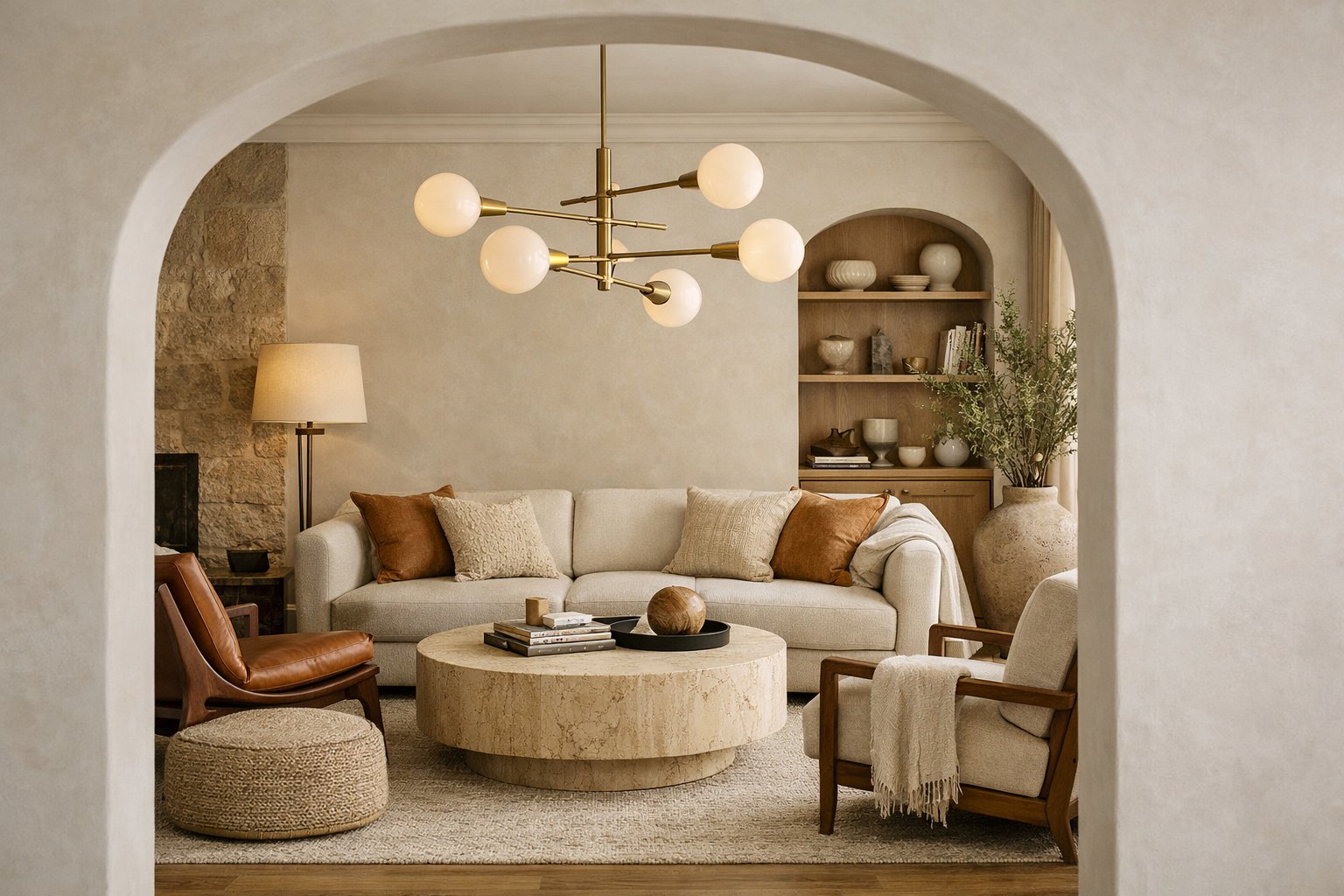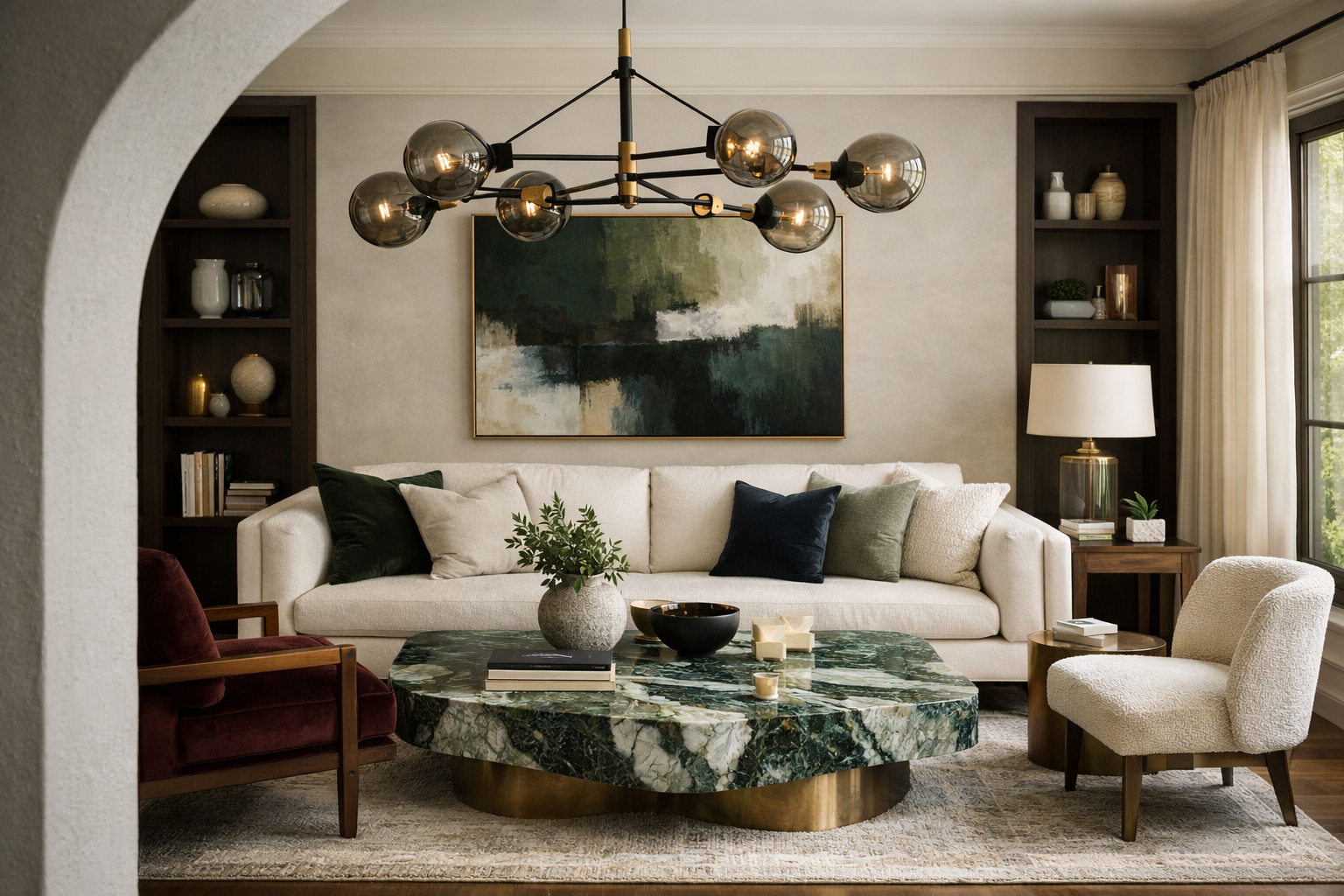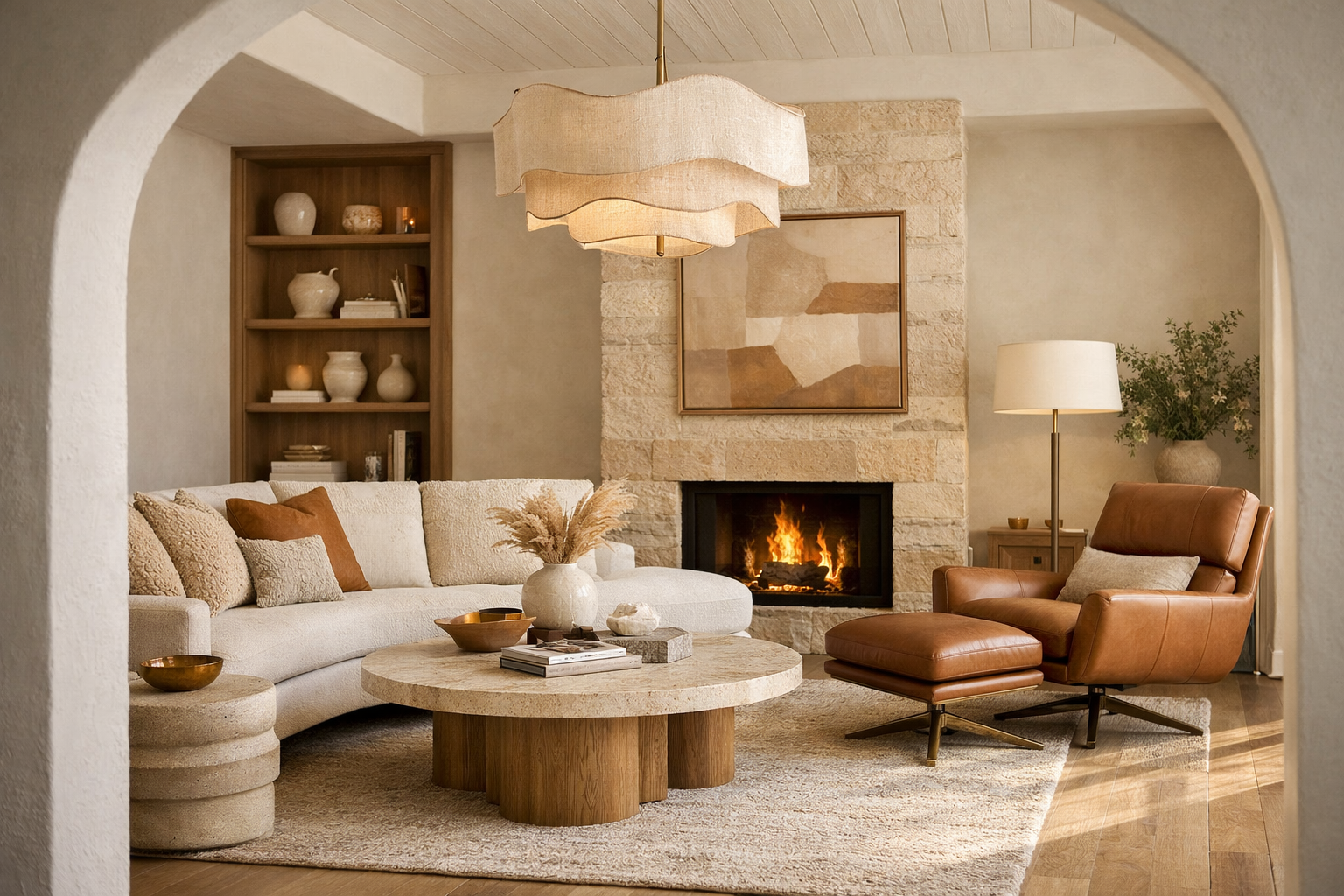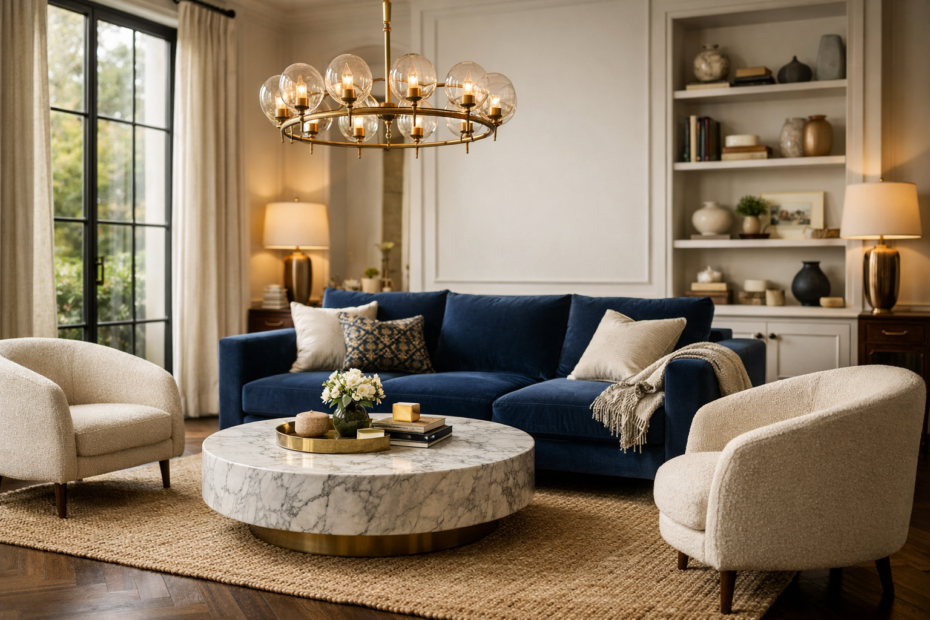
Your home deserves a design style that feels right. Interior design styles shape how every room looks and feels. Choosing the right style makes your space truly yours.
So, what makes each interior design style different? Each style has unique features that create specific moods. Modern styles feel clean and simple. Traditional styles feel warm and classic. Transitional styles blend both worlds beautifully.
At Brown Interiors, we help clients discover their perfect interior design style. For over 41 years, we have guided homeowners through every design choice. Our team knows how to match styles to real life. We make the design process clear and enjoyable.
Table of Contents
- Modern Interior Design Styles
- Traditional Interior Design Styles
- Transitional Interior Design Styles
- Contemporary Interior Design Styles
- Choosing Your Interior Design Style
- Frequently Asked Questions
Modern Interior Design Styles
Modern interior design styles focus on clean lines and simple forms. This style emerged in the early 20th century. It still influences interior design today.
Key Features of Modern Interior Design
Modern interior design uses neutral color palettes throughout spaces. White, black, gray, and beige dominate these interiors. Bold accent colors appear sparingly for visual interest.
Furniture in modern interior design features straight edges and smooth surfaces. Metal, glass, and wood materials create sleek looks. Ornate details rarely appear in modern styles.
Open floor plans define modern interior design spaces. Rooms flow into each other without heavy walls. Large windows bring natural light deep inside. According to the Architectural Digest design guide, modern styles emphasize function over decoration.
Popular Modern Design Elements
Minimalist furniture pieces anchor modern interior design rooms. Each item serves a clear purpose. Clutter stays hidden behind closed doors and clean surfaces.
Natural materials like wood and stone add warmth. But modern interior design keeps these materials simple. Polished concrete floors work well in modern styles.
Lighting plays a key role in modern interior design. Track lighting and recessed fixtures provide clean illumination. Statement pendant lights become focal points without adding visual noise.
Who Loves Modern Interior Design Styles
People who value simplicity choose modern interior design styles. Those who dislike clutter feel at home here. Modern styles appeal to organized personalities.
Urban dwellers often prefer modern interior design. Smaller spaces benefit from the clean aesthetic. The style makes compact rooms feel more spacious.
Tech-forward homeowners gravitate toward modern interior design. Smart home features integrate seamlessly into modern styles. The aesthetic supports contemporary lifestyles beautifully.
Expert Insight from Deborah Brown, Founder of Brown Interiors:
“Modern interior design styles work perfectly for today’s busy lives. Clean lines reduce visual stress. Simple surfaces make cleaning faster. We help clients embrace modern design without feeling cold.”
Traditional Interior Design Styles
Traditional interior design styles draw from European classic aesthetics. These interiors feel formal yet comfortable. Rich details and warm materials define the look.
Core Elements of Traditional Interior Design
Traditional interior design features detailed woodwork throughout spaces. Crown molding frames ceilings elegantly. Wainscoting adds texture to walls and visual interest.
Color palettes in traditional interior design lean toward warm tones. Deep reds, golds, browns, and greens create cozy atmospheres. Jewel tones often accent traditional styles effectively.
Furniture in traditional interior design shows careful craftsmanship. Curved lines replace the straight edges of modern styles. Upholstered pieces feature tufting and nailhead trim details.
Classic Traditional Design Features
Symmetry guides traditional interior design room layouts. Pairs of matching furniture create balanced arrangements. Centered focal points anchor each space purposefully.
Fabrics play major roles in traditional interior design. Silk, velvet, and damask add luxury to rooms. Patterns like florals and stripes appear frequently throughout.
Accessories complete traditional interior design spaces beautifully. Antiques and heirlooms find perfect homes here. Art in ornate frames adorns walls at every turn.
When planning a traditional space, our interior design services help source authentic pieces that suit your taste and budget perfectly.
Traditional Style Room Applications
Living rooms shine with traditional interior design approaches. Large sofas and wingback chairs create conversation areas. Area rugs define spaces and add pattern layers.
Dining rooms perfectly showcase traditional interior design elements. Dark wood tables seat large families comfortably. Crystal chandeliers cast warm light over formal dinners.
Bedrooms become retreats with traditional interior design styling. Four-poster beds serve as dramatic focal points. Layered bedding in rich fabrics invites relaxation.
Who Prefers Traditional Interior Design Styles
Those who love history choose traditional interior design styles. People who collect antiques find perfect backdrops here. Traditional styles honor family heritage and memories.
Homeowners seeking formal atmospheres prefer traditional interior design. These spaces work well for entertaining guests. Traditional styles communicate established taste and permanence.
Multi-generational families often select traditional interior design. The style accommodates heirlooms from different eras. Traditional interiors connect past and present seamlessly.
Transitional Interior Design Styles
Transitional interior design styles merge modern and traditional elements. This approach creates balanced, comfortable spaces. The style remains popular for good reasons.
Defining Transitional Interior Design
Transitional interior design blends the best of both worlds. Clean lines from modern styles meet traditional warmth. The result feels current yet timeless simultaneously.
Color schemes in transitional interior design favor neutral foundations. Grays, beiges, and soft whites create calm backdrops. Texture adds interest without overwhelming visual senses.
Furniture in transitional interior design shows restrained elegance. Simple silhouettes replace overly ornate traditional pieces. Comfortable upholstery invites daily use and relaxation.
Key Transitional Design Components
Material mixing defines transitional interior design successfully. Wood tones pair with metal accents beautifully. Glass surfaces lighten spaces without sacrificing warmth altogether.
Patterns in transitional interior design remain subtle and sophisticated. Geometric prints update classic stripes and florals. Scale varies to create visual interest thoughtfully.
Lighting in transitional interior design balances form and function. Updated classic fixtures work perfectly in these spaces. Both traditional chandeliers and modern pendants find homes.
Creating Transitional Interior Design Spaces
Start transitional interior design with neutral wall colors. Add furniture that shows clean lines but soft edges. Layer in traditional accessories with modern restraint.
Mix furniture from different periods in transitional interior design. A sleek sofa pairs well with traditional side tables. The key involves keeping visual weight balanced.
Window treatments in transitional interior design stay simple. Clean drapery panels in neutral fabrics work well. Roman shades offer another excellent transitional option.
Our custom window treatment services help create the perfect transitional look for your space.
Expert Insight from Nycol Mealer, Lead Designer at Brown Interiors:
“Transitional interior design styles solve common client dilemmas. Many people like modern simplicity but want traditional warmth. This style delivers both without compromise. We see transitional design work in almost every home.”
Who Chooses Transitional Interior Design Styles
Couples with different style preferences love transitional interior design. The approach satisfies both modern and traditional tastes. Compromise becomes collaboration instead of conflict here.
First-time homebuyers often select transitional interior design styles. The look feels grown-up without seeming stuffy. Transitional spaces adapt as tastes evolve naturally.
People refreshing existing homes choose transitional interior design. The style updates spaces without requiring complete overhauls. Mix old pieces with new purchases easily.
Contemporary Interior Design Styles
Contemporary interior design styles reflect current trends and ideas. The style evolves constantly with changing times. Contemporary differs from modern design in important ways.
Understanding Contemporary Interior Design
Contemporary interior design means “of the moment” always. What counts as contemporary changes over time. Right now, contemporary styles emphasize natural materials prominently.
Color palettes in contemporary interior design vary more widely. Bold accent walls appear frequently in these spaces. Black and white combinations remain popular base choices.
Furniture in contemporary interior design shows creative innovation. Designers experiment with forms and materials constantly. Unique pieces often become conversation starters naturally.
Current Contemporary Design Trends
Sustainable materials drive contemporary interior design choices now. Reclaimed wood appears in many current projects. Eco-friendly fabrics reflect growing environmental awareness broadly.
Curves returned to contemporary interior design recently. After years of straight lines, soft shapes emerged. Arched doorways and rounded furniture feel fresh again.
According to Elle Decor trend forecasts, contemporary interior design now embraces warmer tones and natural textures more than ever.
Contemporary Versus Modern Interior Design
Modern interior design refers to a specific historical period. Contemporary interior design describes current aesthetic directions always. Modern stays consistent while contemporary changes constantly.
Modern interior design follows strict rules about ornamentation. Contemporary interior design allows more creative freedom overall. Both styles value clean lines and open spaces.
Color use differs between modern and contemporary interior design. Modern sticks to neutrals with minimal accents. Contemporary explores bolder color combinations more freely.
Living with Contemporary Interior Design Styles
Contemporary interior design requires ongoing updates and refreshes. Accessories and accents change as trends evolve. The core remains neutral enough for easy updates.
Art plays crucial roles in contemporary interior design spaces. Large-scale pieces anchor rooms as focal points. Gallery walls display personal collections with impact.
Technology integrates seamlessly into contemporary interior design. Smart home features hide behind beautiful surfaces. Function and form merge in contemporary approaches.
Choosing Your Interior Design Style
Selecting interior design styles requires honest self-assessment first. Your lifestyle should guide every design decision. The right style makes daily life better overall.
Assessing Your Design Preferences
Start by examining your current possessions honestly. Which items bring you joy and satisfaction? These pieces offer clues about your true style.
Create a vision board with interior design styles you admire. Notice patterns in the images you collect. Color preferences and furniture shapes become clear quickly.
Consider how you actually use your spaces daily. Active families need different interior design styles than empty nesters. Lifestyle compatibility matters more than trends do.
Mixing Interior Design Styles Successfully
No rule says you must choose one interior design style exclusively. Many beautiful homes blend multiple design influences. The key involves maintaining visual cohesion throughout.
Pick one dominant interior design style as your foundation. Then add elements from other styles as accents. This approach creates interest without causing confusion.
Use a consistent color palette across mixed interior design styles. Repeating colors unify different design elements visually. Three to five colors work best in most spaces.
Working with Design Professionals
Professional designers help clarify your interior design style preferences. They see possibilities you might miss alone. Experience guides better purchasing decisions every time.
Designers access furniture and materials unavailable to consumers. This industry access expands your interior design style options significantly. Quality improves while costs often decrease surprisingly.
Professional guidance prevents expensive mistakes with interior design styles. The investment in design services pays off quickly. Your home looks better and functions more efficiently.
At Brown Interiors, we guide clients through the entire design process from concept to completion with proven results.
Testing Interior Design Styles Before Committing
Paint samples let you test colors affordably. Apply large swatches to multiple walls first. Live with test colors for several days minimum.
Rent furniture before purchasing pieces in new interior design styles. This approach lets you experience different looks temporarily. You make final choices with confidence afterward.
Start small when exploring new interior design styles initially. Redesign one room before tackling your whole home. Success in one space builds confidence naturally.
Budget Considerations for Different Interior Design Styles
Some interior design styles cost more than others realistically. Traditional styles often require expensive custom pieces. Modern styles can work with affordable furniture beautifully.
Transitional interior design styles offer budget flexibility always. Mix investment pieces with affordable finds easily. The blended approach stretches budgets without sacrificing style.
Prioritize spending on items you use most frequently. Invest in quality sofas and beds first. Accent pieces can come from budget-friendly sources initially.
How to Implement Interior Design Styles Step-by-Step
Follow this proven process to bring interior design styles home successfully:
- Assess your current space and identify what stays.
- Research interior design styles that match your lifestyle needs.
- Create a mood board with colors, textures, and furnishings.
- Establish a realistic budget for your design project.
- Paint walls first to establish your color foundation.
- Select major furniture pieces that define your style.
- Add window treatments that complement your chosen aesthetic.
- Layer in lighting fixtures at multiple height levels.
- Accessorize with items that reflect your personality authentically.
- Live with your new interior design style before final tweaks.
Quick Reference: Interior Design Styles Defined
Interior design styles are distinct aesthetic approaches to decorating spaces. Each style features specific colors, materials, furniture shapes, and decorative elements. Modern interior design emphasizes clean lines and minimal ornamentation. Traditional interior design showcases classic details and rich materials. Transitional interior design blends modern simplicity with traditional warmth. Contemporary interior design reflects current trends and evolves constantly. Choosing interior design styles depends on personal preference, lifestyle needs, and existing architecture. Professional designers help identify which styles suit individual spaces best.
Frequently Asked Questions
What are the most popular interior design styles today?
The most popular interior design styles include modern, traditional, and transitional approaches. Contemporary styles also attract many homeowners currently. Transitional interior design remains especially popular because it blends multiple influences. These styles adapt well to different spaces and budgets. Personal taste ultimately determines which interior design style works best.
How do I know which interior design style fits me?
Examine your current possessions and favorite spaces carefully. Notice which interior design styles appear in images you save. Consider your daily lifestyle and functional needs honestly. Modern interior design suits minimalists who value simplicity. Traditional interior design appeals to those who love classic elegance. Transitional styles work for people wanting both qualities.
Can I mix different interior design styles in one home?
Yes, mixing interior design styles creates unique, personal spaces successfully. Choose one dominant style as your foundation first. Add elements from other interior design styles as accents carefully. Maintain consistent colors throughout all spaces for visual unity. Professional designers help blend multiple interior design styles cohesively. The key involves balancing different elements without creating chaos.
What interior design style increases home value most?
Transitional interior design styles typically appeal to the widest audience. This broad appeal can increase home value effectively. Modern interior design also attracts many buyers currently. However, quality execution matters more than specific interior design styles. Well-designed spaces in any style add value. Focus on timeless choices over trendy interior design styles.
How much does implementing an interior design style cost?
Costs for interior design styles vary dramatically by scope. A single room might cost $3,000 to $15,000 typically. Whole-home projects range from $20,000 to $100,000 or more. Modern interior design can work with affordable pieces sometimes. Traditional interior design often requires larger budgets for details. Professional designers help maximize budgets within any interior design style.
Transform Your Space with the Right Interior Design Style
Your home should reflect your personality and support daily life. Interior design styles provide frameworks for creating beautiful spaces. But rules exist to guide, not limit, creativity.
Modern interior design delivers simplicity and clean functionality. Traditional interior design offers warmth and timeless elegance. Transitional interior design blends both approaches beautifully. Contemporary interior design stays current with evolving trends.
The right interior design style makes your house feel like home. It should match how you actually live every day. Your style choices affect mood, comfort, and daily satisfaction.
At Brown Interiors, we have helped Houston-area homeowners discover their perfect interior design styles for over 41 years. Our team guides you through every decision with expertise. We understand how interior design styles work in real homes.
Ready to explore interior design styles for your space? Visit our design gallery to see completed projects in multiple styles. Contact us today for a personalized consultation.
Your perfect interior design style awaits discovery. Let us help you create spaces you will love for years. Beautiful, functional interior design transforms everyday living completely.