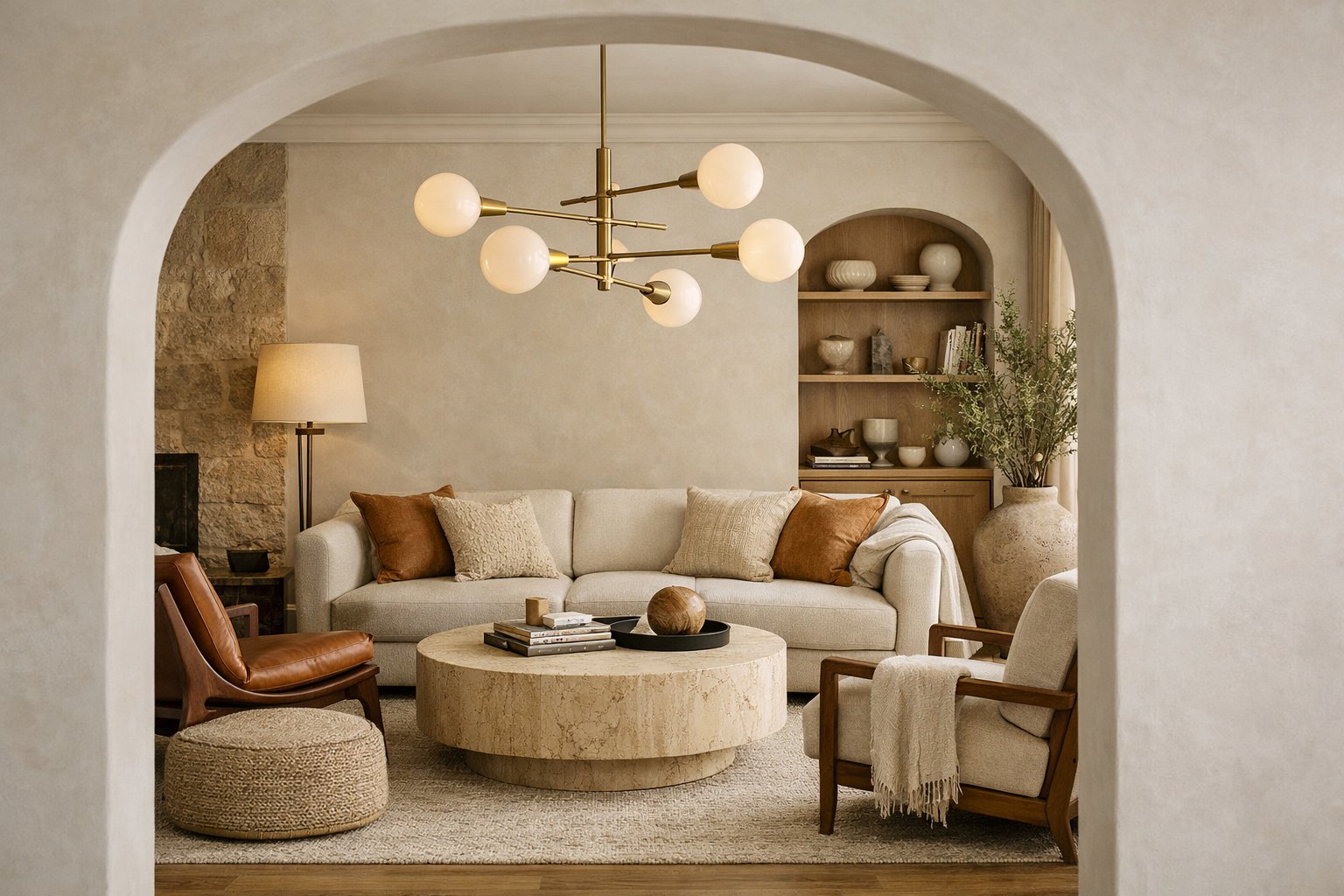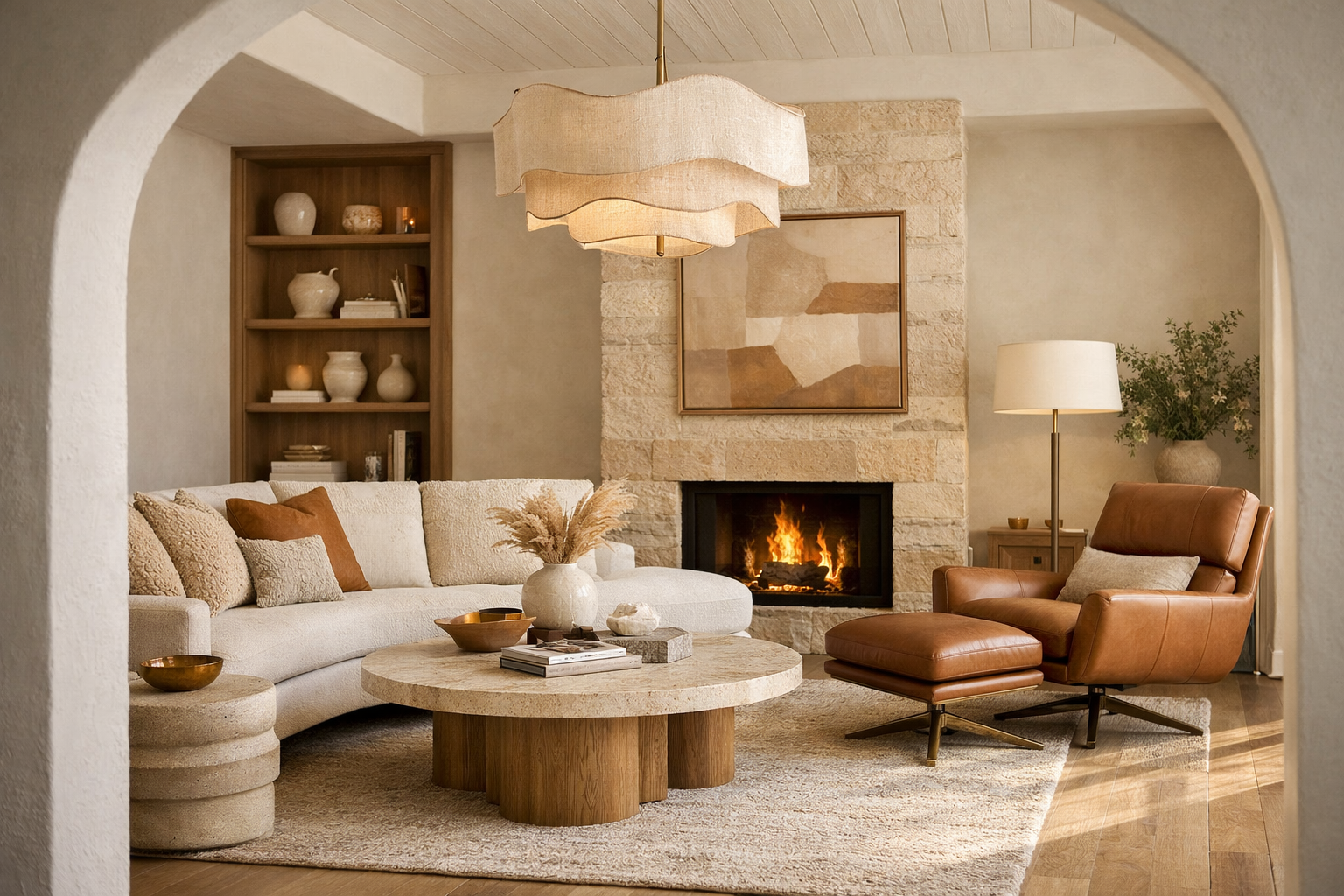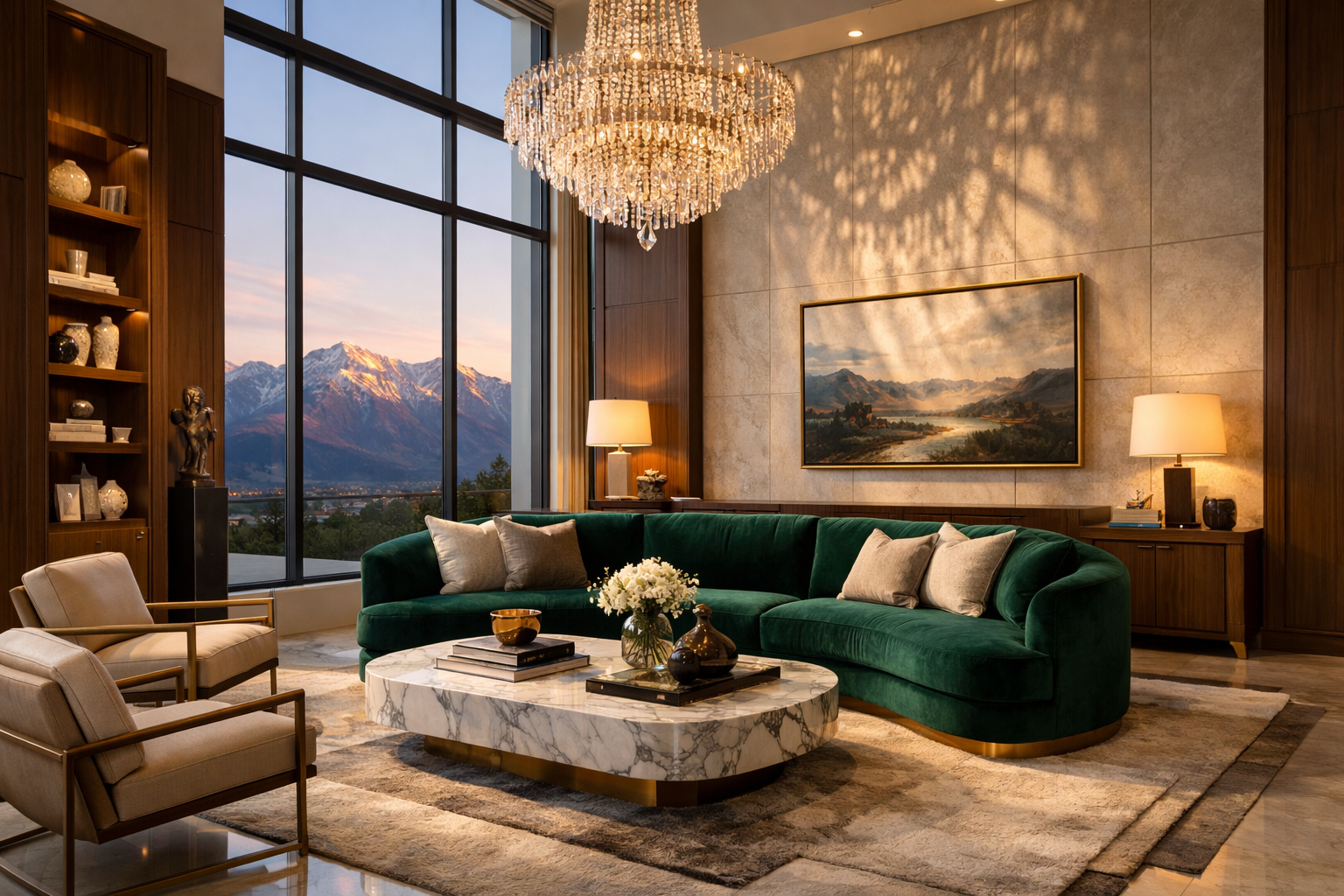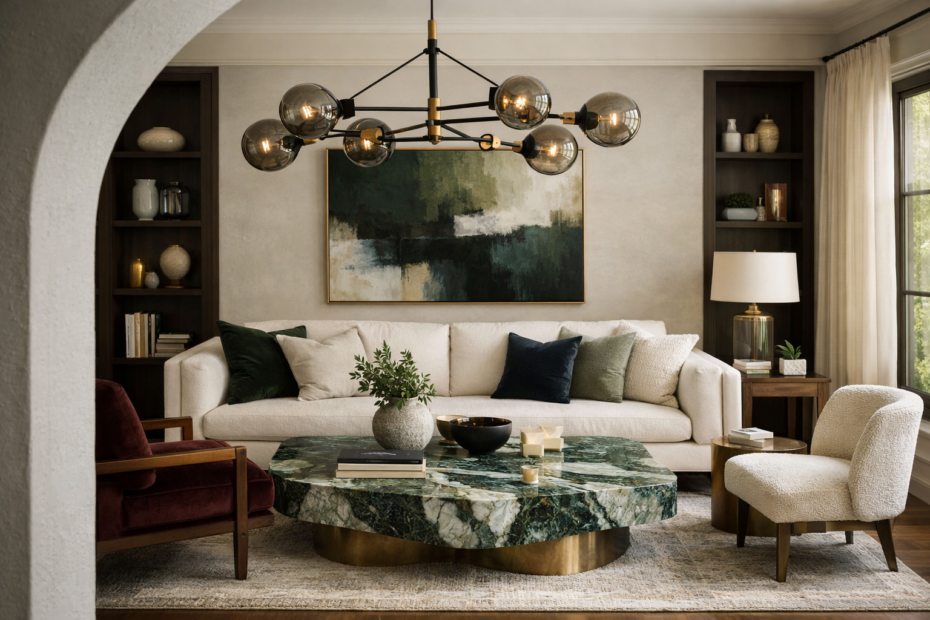
Your home should feel perfect. But something feels off. You know residential interior design can fix it.
Most homeowners struggle with design choices. They waste money on wrong furniture. They hire designers who don’t listen.
Residential interior design creates spaces that match your life. So, you get a home that works and looks great. Also, good design saves you time and stress.
This guide shows you what residential interior design really means. You’ll learn when to hire help. Plus, you’ll see how the design process works.
Table of Contents
- What Residential Interior Design Really Means
- Complete Residential Interior Design Services
- When to Hire a Residential Interior Designer
- Residential Interior Design Cost Breakdown
- The Full Residential Interior Design Process
- Choosing the Right Residential Interior Designer
- Frequently Asked Questions
What Residential Interior Design Really Means
Residential interior design transforms your house into a true home. It combines beauty with function. So, every room serves your needs.
A residential interior designer plans your space layout. They select colors, furniture, and lighting. Then, they manage the whole project.
Home interior design services differ from commercial work. Residential design focuses on comfort and personal style. Also, designers consider how families live daily.
Core Elements of Residential Interior Design
Good residential interior design includes several key parts. First, space planning ensures proper furniture placement. Second, color selection sets the mood.
Lighting design affects how rooms feel. Furniture selection matches your lifestyle. Also, textile choices add comfort and style.
The American Society of Interior Designers defines standards for professional residential work. These standards ensure quality results.
Residential vs. Commercial Interior Design
Residential interior design serves individual homeowners. Commercial design handles offices and stores. So, the approaches differ greatly.
Home interior design services prioritize personal taste. They create spaces for relaxation and family life. In fact, residential designers spend time understanding your daily routines.
Commercial designers focus on business needs and traffic flow. Residential designers care about your comfort first.
Complete Residential Interior Design Services
Residential interior design covers many home areas. Each service solves specific problems. So, you can pick what you need.
Full-Home Interior Design Services
Full-home residential interior design creates a unified look. Designers handle every room in your house. They ensure style flows throughout.
This approach saves time and money. One designer manages all choices. Also, bulk ordering often reduces costs.
Home interior design services for whole houses include space planning. They cover furniture selection and color schemes. Plus, designers coordinate contractors and deliveries.
Single-Room Residential Interior Design
Single-room design focuses on one space. You might update just your living room. Or you could redesign your bedroom.
This option costs less than full-home work. It’s perfect for testing a designer’s style. Also, single-room projects finish faster.
Many homeowners start with living room design. Others begin with kitchen or bedroom updates. After that, they expand to other rooms.
New Construction Interior Design Services
New construction residential interior design starts before building finishes. Designers work with your builder. They plan layouts during construction.
This timing prevents costly changes later. Your designer specifies electrical outlets and lighting placement. So, everything fits your furniture plan.
New construction design includes cabinet selection and flooring choices. It covers paint colors and hardware finishes. Plus, designers coordinate move-in timing.
The team at Brown Interiors new construction services works closely with Houston-area builders. This coordination ensures smooth project completion.
Remodeling and Renovation Design
Remodeling residential interior design updates existing spaces. It includes kitchen and bathroom renovations. Also, it covers whole-home makeovers.
Residential designers create new floor plans for renovations. They select all finishes and fixtures. Then, they manage contractor relationships.
Home interior design services for remodeling save you stress. Designers handle product ordering and delivery timing. So, your project stays on schedule.
Specialty Residential Design Services
Specialty services address unique needs. Custom furniture design creates pieces for odd spaces. Window treatment design adds privacy and style.
Holiday decorating services transform your home seasonally. Color consultation helps you pick perfect paint. Also, lighting design improves room function.
Many residential interior design firms offer these extras. They help complete your vision. Plus, they solve specific problems.
When to Hire a Residential Interior Designer
Knowing when to hire a residential interior designer saves trouble. Some projects need professional help. Others you can handle yourself.
Clear Signs You Need a Residential Interior Designer
You feel overwhelmed by design choices. Your furniture doesn’t fit properly. Or rooms lack a clear style direction.
These signs mean residential interior design help makes sense. Also, if you’ve bought items that don’t work together, hire a designer.
When you’re planning major changes, get professional input early. Home interior design services prevent expensive mistakes. So, you save money in the long run.
Major Life Changes Requiring Design Help
Moving to a new home needs design planning. Your old furniture might not fit. Also, new spaces need fresh layouts.
Growing families require functional residential interior design. You need storage and kid-friendly choices. Plus, spaces must adapt as children age.
Downsizing presents unique challenges. A residential interior designer helps you select what fits. They make smaller spaces feel open and comfortable.
Project Complexity Indicators
Complex projects need professional residential interior design expertise. Structural changes require design knowledge. So do major electrical or plumbing updates.
Working with contractors goes smoother with a designer. They speak the construction language. Also, they manage timelines and budgets.
If your project involves custom built-ins, hire help. The same goes for whole-house renovations. Plus, new construction always benefits from design input.
Budget and Time Considerations
Limited time makes residential interior design services valuable. Designers handle research and shopping. So, you avoid endless store visits.
A good budget justifies design help. Investment in home interior design services protects your spending. Designers prevent costly wrong purchases.
According to Forbes Home improvement research, professional design often saves money overall. The right choices the first time cost less than fixing mistakes.
Residential Interior Design Cost Breakdown
Residential interior design costs vary widely. Understanding pricing helps you budget properly. So, you get the services you need.
Common Residential Interior Design Pricing Models
Hourly rates are one common pricing method. Designers charge for time spent on your project. Rates typically range from $75 to $250 per hour.
Flat fees cover complete projects. This residential interior design pricing works well for defined scopes. You know the total cost upfront.
Percentage of project cost is another model. Designers charge 10% to 20% of total spending. So, larger budgets mean higher design fees.
Some home interior design services offer package pricing. These bundles include set deliverables. They’re perfect for standard room designs.
What Affects Residential Interior Design Costs
Project size dramatically impacts residential interior design pricing. Single rooms cost less than whole homes. Also, square footage affects the fee.
Designer experience changes costs significantly. Established designers charge more than new ones. But experience often delivers better results.
Your location matters for design costs. Urban areas typically have higher rates. Also, travel fees may apply for distant projects.
Project complexity increases residential interior design expenses. Custom work costs more than standard selections. Plus, tight timelines may add rush fees.
Average Costs by Project Type
Single-room residential interior design typically costs $2,000 to $6,000. This includes design fees and basic furnishings. Living rooms often fall in this range.
Full-home design services range from $10,000 to $50,000 or more. Luxury residential interior design can exceed $100,000. So, set realistic budget expectations.
Kitchen design services cost $5,000 to $15,000 for design fees alone. Bathroom residential interior design runs $3,000 to $8,000. These don’t include construction costs.
New construction design fees typically run 5% to 10% of build cost. So, a $500,000 home might have $25,000 to $50,000 in design fees.
Hidden Costs to Consider
Furniture delivery fees add to residential interior design costs. Installation labor increases your total spending. Also, custom pieces take longer and cost more.
Rush shipping can be expensive when needed. Storage fees may apply during renovations. Plus, design revisions beyond the contract scope cost extra.
Smart shoppers plan for these extras. Home interior design services should outline all potential costs upfront. So, you avoid surprises.
The Full Residential Interior Design Process
Understanding the residential interior design process helps you prepare. Each step builds toward your perfect home. So, knowing what to expect reduces stress.
Initial Consultation and Discovery
The first meeting discusses your residential interior design goals. Designers ask about your lifestyle and preferences. They want to understand your vision.
You’ll discuss your budget during this phase. Be honest about what you can spend. Also, share photos of styles you love.
Many home interior design services offer free initial consultations. Others charge a small fee that’s credited toward your project. This meeting determines if you’re a good fit.
Design Development Phase
Design development creates your residential interior design plan. Designers measure your space carefully. They create floor plans and furniture layouts.
You’ll see color schemes and material selections. Mood boards show how everything works together. So, you can visualize the final result.
This phase includes reviewing design concepts. You provide feedback and request changes. Then, designers refine the residential interior design until you’re satisfied.
Sourcing and Procurement
Sourcing involves finding the right items. Residential interior designers have access to trade-only resources. They can get pieces you can’t find elsewhere.
Designers order all furniture and materials. They track delivery dates and manage logistics. So, everything arrives when needed.
Quality home interior design services handle vendor relationships. They negotiate pricing and resolve issues. Plus, they ensure products meet specifications.
Project Management and Installation
Good residential interior design includes project coordination. Designers schedule deliveries and installations. They manage contractor work if renovations occur.
Installation day brings your vision to life. Designers oversee furniture placement and styling. They add accessories and final touches.
Quality checks ensure everything meets standards. Residential interior designers fix any issues immediately. So, you get the perfect result.
Expert Insight from Deborah Brown, Founder of Brown Interiors:
“The best residential interior design happens when clients trust the process. Each step builds on the last. Patience during design development always pays off in the final result.”
Final Reveal and Follow-Up
The final reveal shows your completed residential interior design. Designers walk you through the finished space. They explain care instructions for materials and furniture.
Quality home interior design services include follow-up support. They check in after you’ve lived in the space. So, they can adjust anything that’s not working perfectly.
Many residential interior designers offer maintenance tips. They help you keep your home looking great. Plus, they’re available for future updates.
Choosing the Right Residential Interior Designer
Selecting the right residential interior designer makes all the difference. The perfect match understands your vision. So, research thoroughly before deciding.
Essential Qualifications to Look For
Professional credentials matter in residential interior design. Look for designers with formal training. Membership in professional organizations indicates commitment.
Years of experience show proven residential interior design expertise. Ask about similar projects they’ve completed. Also, check if they have specialty certifications.
Licensing requirements vary by location. Some states require interior designers to be licensed. Verify credentials before hiring any home interior design services.
Portfolio Review Guidelines
A strong portfolio shows residential interior design range. Look for variety in styles and project types. Also, note the quality of photography.
Pay attention to spaces similar to yours. Can you envision their residential interior design style in your home? The portfolio should inspire confidence.
Before and after photos demonstrate transformation ability. They show how home interior design services solve problems. So, review portfolios carefully.
The Brown Interiors portfolio showcases diverse residential interior design projects. These examples help potential clients understand design possibilities.
Interview Questions to Ask Designers
Ask about their residential interior design process. How do they handle budget concerns? What happens if you don’t like something?
Question their availability and timeline expectations. How many projects do they manage simultaneously? Will you work directly with them or an assistant?
Discuss communication preferences for residential interior design work. How often will you receive updates? What’s their response time for questions?
Ask about home interior design services they don’t provide. Understanding limitations helps set proper expectations. So, you know what to anticipate.
Red Flags to Avoid
Vague pricing structures are major residential interior design warning signs. Designers should explain costs clearly. Avoid those who can’t provide detailed estimates.
Poor communication during the hiring process predicts future problems. If they’re slow to respond now, it won’t improve. Also, watch for designers who don’t listen.
Pressure to commit quickly suggests desperation. Quality home interior design services don’t rush decisions. Plus, they understand you need time to choose.
Missing contracts or unclear terms create risks. Professional residential interior designers always provide written agreements. So, insist on detailed documentation.
Checking References and Reviews
Always request residential interior design references. Talk to past clients about their experiences. Ask specific questions about the process and results.
Online reviews provide additional insights. Look for patterns in feedback. Also, note how designers respond to negative reviews.
Professional associations may have complaint records. Check these before hiring home interior design services. So, you avoid problematic designers.
Social media presence shows current residential interior design work. Active designers share recent projects regularly. Plus, their engagement shows client relationships.
Frequently Asked Questions
What exactly does a residential interior designer do?
A residential interior designer creates functional and beautiful home spaces. They plan layouts, select furniture, and choose colors. Also, they manage the entire design process from start to finish. Home interior design services include space planning, material selection, and project coordination. Designers ensure your home reflects your style while meeting practical needs.
How much does residential interior design cost for a single room?
Single-room residential interior design typically costs $2,000 to $6,000 for design fees and basic furnishings. The total depends on room size, complexity, and designer rates. Larger rooms or luxury finishes increase costs. Also, custom furniture adds to the budget. Most home interior design services provide detailed estimates before starting work.
How long does a typical residential interior design project take?
Single-room residential interior design projects take 6 to 12 weeks. Full-home designs require 3 to 6 months or longer. The timeline depends on project scope and custom items. Lead times for furniture affect completion dates. Also, renovation work extends residential interior design timelines. Designers provide realistic schedules during initial consultations.
Can I hire a residential interior designer for just a consultation?
Yes, many designers offer consultation-only residential interior design services. These sessions typically last 1 to 2 hours. Consultations cost $150 to $500 depending on the designer. You receive professional advice and initial direction. Then, you can implement changes yourself or hire for full home interior design services later.
Do I need a residential interior designer for new construction?
New construction greatly benefits from residential interior design expertise. Designers help plan layouts before walls go up. They specify outlets, lighting, and built-ins correctly. So, you avoid expensive changes later. Working with home interior design services during construction ensures everything fits your furniture plan. Most designers recommend starting before framing begins.
Step-by-Step Residential Interior Design Process
Follow these steps for successful residential interior design:
- Research and interview multiple residential interior designers in your area
- Schedule initial consultations to discuss your home interior design goals
- Review portfolios and check references for each designer candidate
- Request detailed proposals including residential interior design fees and scope
- Sign a contract that outlines all services and payment terms
- Complete the discovery phase by sharing inspiration and preferences
- Review and approve the residential interior design concept and plans
- Approve all furniture and material selections for your spaces
- Allow the designer to order items and manage delivery schedules
- Participate in final installation and walkthrough of completed design
Quick Reference: Residential Interior Design Definition
Residential interior design is the professional planning and execution of interior spaces in private homes. It combines aesthetics with functionality to create comfortable living environments. A residential interior designer considers space planning, color theory, furniture selection, lighting design, and material choices. Home interior design services transform houses into personalized homes that reflect owners’ lifestyles and preferences. Unlike decorating, residential interior design requires formal training and expertise in building codes, spatial relationships, and design principles. The process typically includes consultation, design development, sourcing, and installation management.
Taking the Next Step with Your Residential Interior Design Project
Residential interior design transforms your house into a perfect home. You’ve learned what services exist and when to hire help. Also, you understand costs and the full design process.
Good home interior design services make your life easier. They save you time, money, and stress. So, choosing the right designer matters greatly.
Start by defining your residential interior design goals clearly. Create a realistic budget for your project. Then, research designers who match your style.
Quality residential interior design requires professional expertise. Don’t try to handle complex projects alone. Instead, invest in help that delivers lasting results.
Your home deserves beautiful, functional spaces. The right home interior design services create environments you’ll love for years. So, take the first step today.
Ready to transform your home? Explore our complete interior design services to see how professional residential interior design can help you. Our experienced team creates stunning spaces that match your lifestyle and budget perfectly.