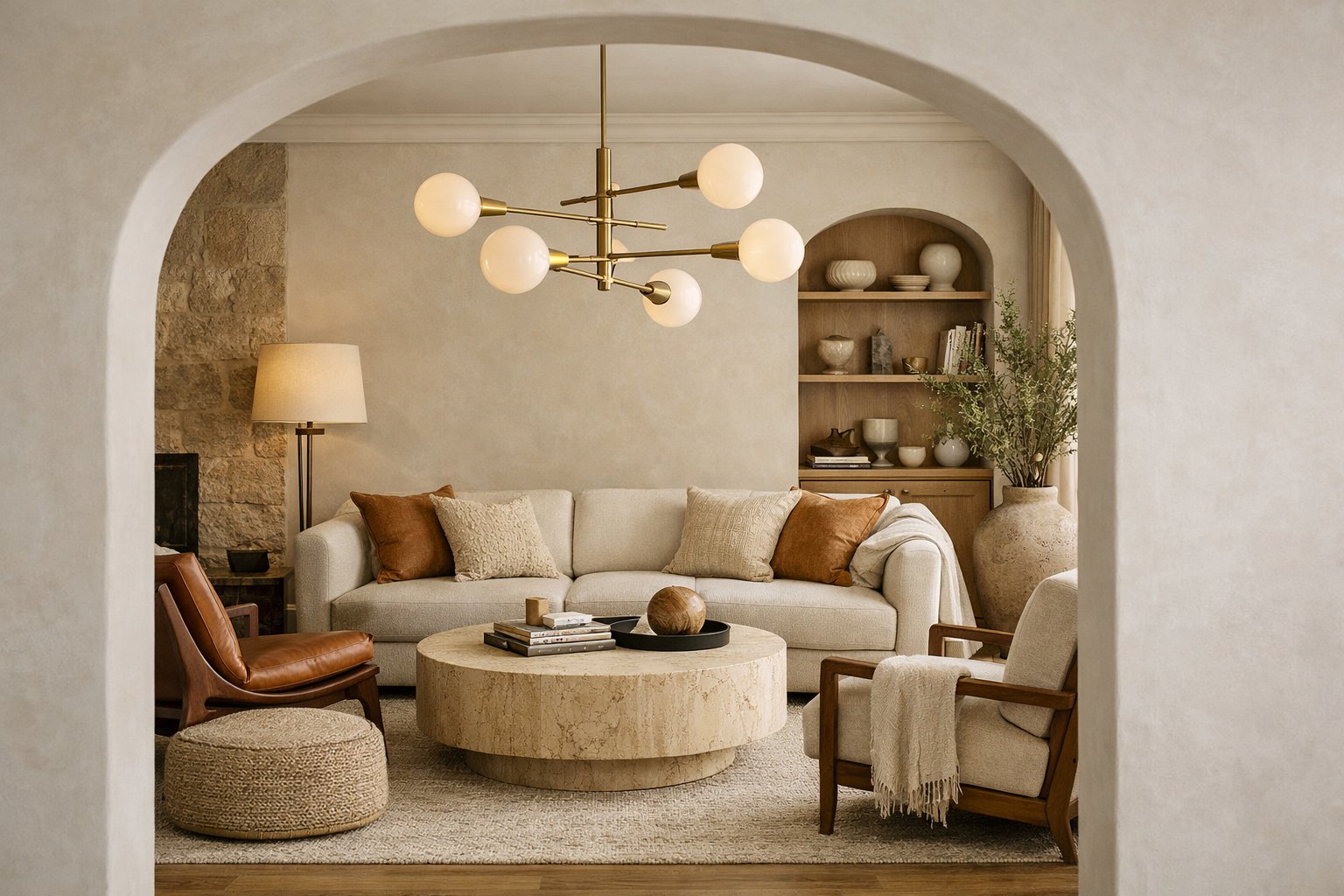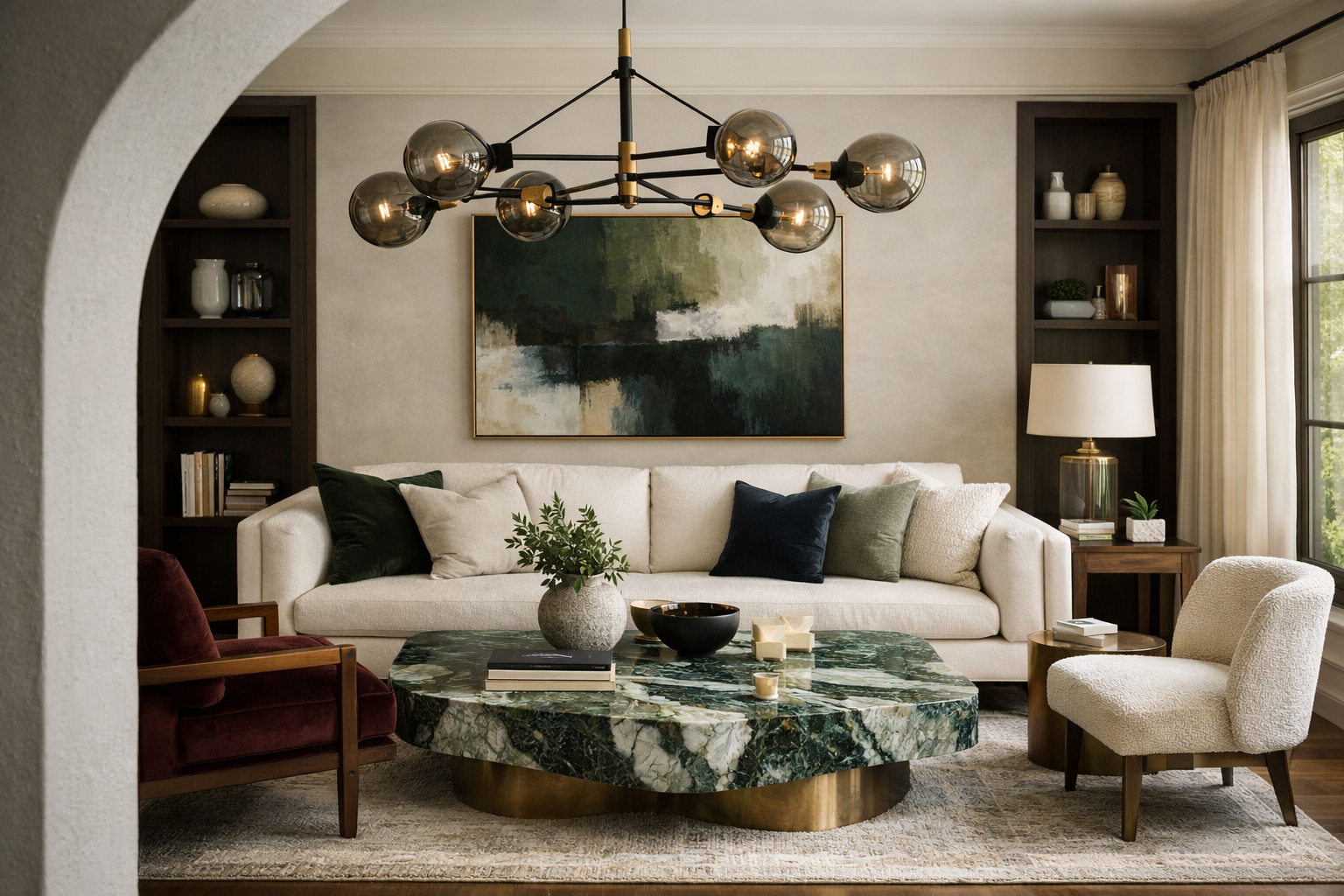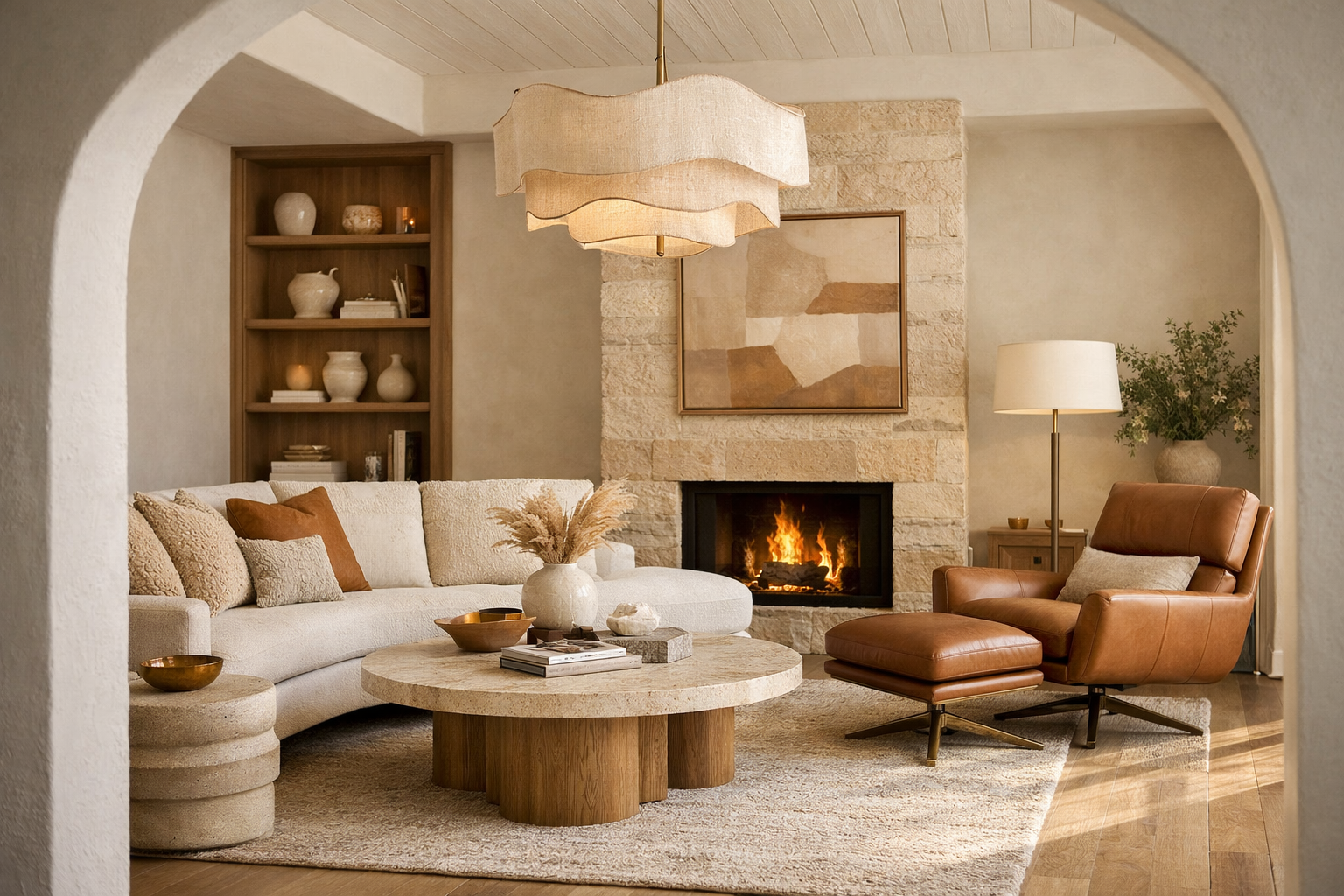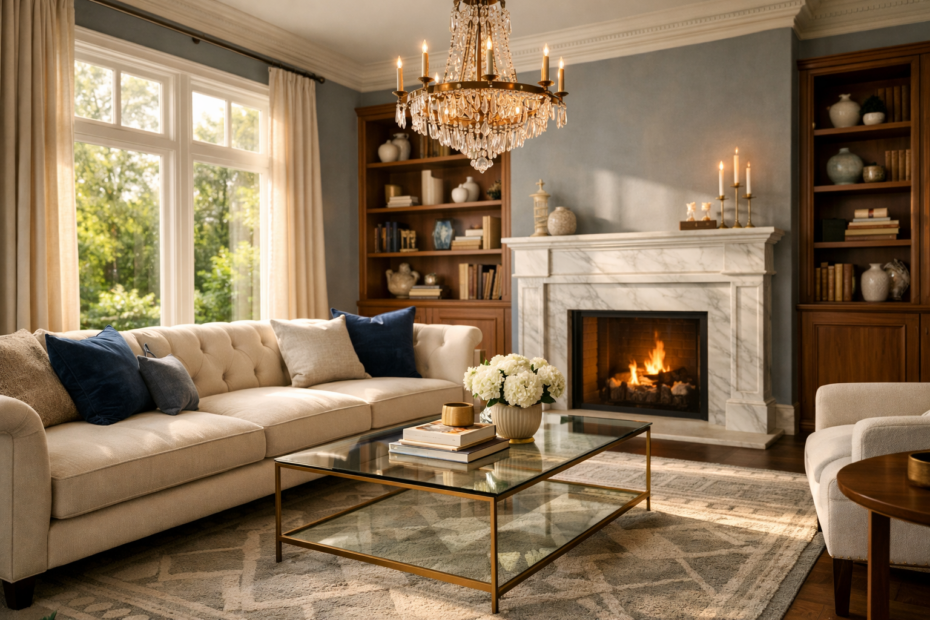
Your home should feel timeless yet fresh. Transitional interior design blends classic elegance with modern simplicity. This design style creates spaces that never go out of fashion.
You want a home that feels both comfortable and sophisticated. Transitional design gives you the best of traditional and contemporary styles. It balances warmth with clean lines.
At Brown Interiors, Deborah Brown and lead designer Nycol Mealer have perfected transitional design for over 41 years. They create interiors that blend classic charm with modern function. Their approach makes your home feel collected, not decorated.
Table of Contents
- What Is Transitional Interior Design?
- Key Elements of Transitional Design
- Transitional Color Palettes and Materials
- Transitional Design Room by Room
- Selecting Transitional Furniture
- Step-by-Step Transitional Design Process
What Is Transitional Interior Design?
Transitional interior design merges traditional and contemporary elements. This design style creates balanced, timeless spaces. Transitional interiors feel neither too formal nor too casual.
The transitional design approach takes classic furniture shapes and simplifies them. It removes ornate details but keeps elegant proportions. This creates a sophisticated yet approachable aesthetic.
The Philosophy Behind Transitional Style
Transitional design philosophy centers on balance and restraint. You mix old and new without favoring either style. The goal is harmony between classic comfort and modern clarity.
This interior design style works for people who appreciate tradition. Yet they also want clean, uncluttered spaces. Transitional design bridges these two desires perfectly.
Traditional interiors often feel heavy with ornament and pattern. Modern design can feel cold or stark. Transitional design finds the sweet spot between these extremes.
How Transitional Differs from Traditional and Modern
Traditional design features ornate woodwork and rich fabrics. It includes heavy drapes and detailed moldings. Traditional spaces feel formal and layered.
Modern design emphasizes minimalism and stark lines. It uses industrial materials like steel and glass. Modern interiors can feel sparse or cold.
Transitional interior design takes the best from both worlds. It uses traditional furniture silhouettes with simplified details. It incorporates modern materials alongside classic fabrics.
The transitional design aesthetic creates rooms that feel current yet timeless. Your space won’t look dated in five years. This longevity makes transitional design a smart investment.
Why Transitional Design Works for Any Home
Transitional interior design adapts to different architectural styles. It works in historic homes and new construction alike. The flexible nature makes it universally appealing.
This design style also suits various lifestyles. Families appreciate the durability and comfort. Empty nesters value the sophisticated elegance.
Transitional design accommodates personal collections and heirlooms. You can mix grandmother’s antique dresser with a sleek sofa. The balanced approach makes diverse pieces work together.
Budget flexibility is another advantage of transitional interior design. You can achieve the look at various price points. Investment pieces mix with affordable finds seamlessly.
Key Elements of Transitional Design
Transitional interior design relies on specific key elements. Understanding these components helps you create authentic transitional spaces. Each element contributes to the balanced, timeless aesthetic.
Neutral Color Foundations
Transitional design starts with neutral color palettes. Beiges, grays, taupes, and whites form the base. These colors create calm, sophisticated backdrops.
Your transitional interior design should layer different neutral tones. This creates depth without adding visual noise. Warm and cool neutrals can coexist beautifully.
Accent colors appear sparingly in transitional spaces. When used, they tend toward muted tones. Think soft blues, gentle greens, or warm browns.
Clean Lines with Subtle Curves
Furniture in transitional interior design features clean lines. But these lines soften with gentle curves. Sharp angles mix with rounded edges.
A transitional sofa might have straight arms but a curved back. Tables combine rectangular tops with tapered legs. This balance prevents spaces from feeling too rigid.
Architectural elements follow the same principle. Crown molding appears simpler than traditional versions. Window treatments hang straight but use soft fabrics.
Mixed Materials and Textures
Transitional design combines various materials thoughtfully. Wood, metal, glass, and fabric all appear together. The mix adds interest without overwhelming.
Your transitional interior design might pair a wooden dining table with metal chairs. Or combine a glass coffee table with a plush fabric sofa. These contrasts create visual intrigue.
Texture plays a crucial role in transitional spaces. Smooth and rough surfaces balance each other. Soft textiles offset hard surfaces like wood or stone.
The interior design services at Brown Interiors excel at material selection. They source quality pieces that work together harmoniously.
Comfortable Yet Sophisticated Furniture
Transitional furniture looks elegant but feels comfortable. Upholstery uses quality fabrics in solid colors. Cushions provide support without excessive softness.
Furniture scale matters in transitional interior design. Pieces should fit the room proportionally. Oversized furniture overwhelms small spaces.
Classic furniture shapes get simplified in transitional design. A wingback chair loses its ornate carving. But it keeps the recognizable silhouette.
Minimal Accessories and Thoughtful Editing
Transitional interior design embraces the “less is more” philosophy. Accessories appear carefully curated, not collected randomly. Each piece serves a purpose.
Display items in odd-numbered groupings on surfaces. Three vases look more intentional than four. Empty space is as important as filled space.
Artwork in transitional spaces tends toward simple, bold pieces. Large-scale art makes stronger statements than gallery walls. Abstract and representational art both work.
Transitional Color Palettes and Materials
Color and material choices define transitional interior design success. These selections create the sophisticated yet comfortable atmosphere. Understanding which options work best guides your decisions.
Foundational Neutral Colors
Greige (gray-beige blends) dominates transitional interior design palettes. This versatile color bridges warm and cool tones. Greige walls provide perfect backdrops for any furnishings.
Warm whites create brightness without stark coldness. Cream, ivory, and off-white all work beautifully. These shades make transitional spaces feel inviting.
Soft grays add modern sophistication to transitional design. Choose grays with warm undertones for comfort. Cool grays work in spaces with abundant natural light.
Taupe brings earthy warmth to transitional interiors. This brown-gray hybrid feels grounded and stable. Taupe pairs well with nearly any accent color.
Accent Colors That Enhance Transitional Design
Navy blue adds depth to transitional interior design schemes. Use it for upholstery, drapery, or accent walls. Navy feels both classic and contemporary.
Soft sage green brings nature indoors. This muted green works in kitchens and bedrooms. It pairs beautifully with warm wood tones.
Warm caramels and cognacs add richness. These tones appear in leather furniture and wood finishes. They create cozy, inviting transitional spaces.
Muted blush or dusty rose can soften transitional rooms. Use these colors sparingly in pillows or artwork. They add warmth without feeling too feminine.
Wood Tones and Finishes
Medium wood tones dominate transitional interior design. Walnut, cherry, and oak all work well. These finishes feel neither too light nor too dark.
Wood finishes in transitional design should appear natural. Avoid heavily distressed or painted wood. Simple, clean finishes work best.
Mix wood tones freely in transitional spaces. Different woods can coexist without matching perfectly. This creates collected, layered interest.
The coffee and end table selection at Brown Interiors showcases excellent transitional wood pieces. Each piece combines quality materials with timeless design.
Metals and Hardware
Brushed nickel and satin brass are transitional favorites. These finishes feel neither too shiny nor too dull. They complement most color schemes.
Bronze and aged metals add warmth to transitional interior design. They pair well with traditional furniture pieces. These finishes bridge old and new styles.
Mixing metals works in transitional spaces. Combine silver and gold tones in lighting and hardware. This adds sophistication and prevents matchy-matchy looks.
Fabrics and Textiles
Natural fabrics dominate transitional interior design. Linen, cotton, and wool feel authentic and durable. These materials age beautifully over time.
Solid colors and subtle patterns work best. Avoid bold prints or busy patterns. Simple textures create more interest than patterns.
Velvet adds luxury to transitional spaces. Use it on occasional chairs or pillows. Choose muted velvet colors for best results.
Leather works beautifully in transitional interior design. Opt for smooth or lightly textured leather. Avoid heavily distressed leather treatments.
Transitional Design Room by Room
Transitional interior design adapts to every room in your home. Each space requires specific considerations. Here’s how to apply transitional principles throughout.
Transitional Living Rooms
Your transitional living room should balance comfort and style. Start with a neutral sofa in quality fabric. Add a mix of seating options.
Layer different seating heights in transitional spaces. Combine a standard sofa with lower lounge chairs. This creates visual interest and conversation areas.
Choose a simple coffee table as your focal point. Glass, wood, or stone all work well. Keep the shape clean and proportions balanced.
Transitional interior design living rooms need varied lighting. Combine overhead fixtures with table and floor lamps. Use dimmers to control ambiance.
Window treatments should frame views without overwhelming them. Simple panels in natural fabrics work best. Avoid heavy drapes or ornate valances.
Transitional Bedrooms
Transitional bedrooms prioritize calm and comfort. Choose an upholstered headboard in neutral fabric. Keep bedding simple and layered.
Your transitional interior design bedroom needs symmetry. Flank the bed with matching nightstands. Use coordinating lamps on each side.
Select dressers with clean lines and simple hardware. Wood tones should feel warm but not heavy. Avoid overly ornate furniture pieces.
Keep bedroom accessories minimal in transitional design. One or two pieces of art work better than many. Empty wall space creates serenity.
Transitional Kitchens
Transitional kitchen design combines classic layouts with modern finishes. Shaker-style cabinets in neutral colors work perfectly. Add simple hardware in mixed metals.
Choose countertops in natural stone or quartz. White, gray, or cream surfaces create clean backdrops. Avoid busy patterns or bold colors.
Your transitional interior design kitchen needs quality appliances. Stainless steel or panel-ready options both work. Built-in appliances create streamlined looks.
According to kitchen design research, transitional kitchens remain popular for their timeless appeal. The balanced approach suits various home styles.
Add warmth through wood elements like floating shelves. Display simple dishes or glassware. Keep counters mostly clear of clutter.
Transitional Bathrooms
Transitional bathrooms blend spa-like serenity with classic details. Choose vanities with simple profiles. Opt for undermount sinks in white or cream.
Tile selections should feel natural and subtle. Large-format tiles create modern looks. Subway tiles bridge traditional and contemporary styles.
Your transitional interior design bathroom needs quality fixtures. Brushed nickel or matte black finishes work well. Keep shapes simple and modern.
Add warmth through wood accents or natural textures. A wooden stool or woven basket prevents coldness. These touches make transitional bathrooms inviting.
Transitional Dining Rooms
Transitional dining rooms should encourage gathering. Choose a substantial table in wood or stone. Pair it with upholstered chairs for comfort.
Lighting makes or breaks transitional interior design dining spaces. Hang a simple chandelier centered over the table. Choose a design with clean lines.
Keep wall colors neutral to highlight furniture. Add interest through texture rather than pattern. Consider grasscloth wallpaper for subtle dimension.
The dining room furniture collection at Brown Interiors offers excellent transitional options. Each piece balances style with function.
Display dishes in simple cabinets with glass doors. Edit what you show to avoid clutter. Less creates more impact in transitional design.
Selecting Transitional Furniture
Furniture selection determines transitional interior design success. Each piece should balance classic and contemporary elements. Quality matters more than quantity.
Sofas and Sectionals
Transitional sofas feature clean lines with comfortable cushions. Choose neutral upholstery in durable fabrics. Avoid overly tufted or ornate designs.
Your transitional interior design sofa should have simple arms. Track arms, English arms, or gently rolled arms work well. Legs should be visible and understated.
Sectionals work in transitional spaces when proportioned correctly. Choose sectionals with simple profiles. Avoid elaborate configurations with too many pieces.
Cushion comfort matters in transitional furniture. Seats should feel supportive without being firm. Back cushions provide comfort without excessive softness.
Chairs and Accent Seating
Transitional interior design benefits from mixed seating. Combine different chair styles in the same space. This creates collected, interesting arrangements.
Wingback chairs work when simplified for transitional style. Choose versions without nailhead trim. Keep fabrics solid and neutral.
Club chairs add masculine balance to transitional rooms. Leather or solid fabric both work well. Avoid overly bulky or oversized versions.
Occasional chairs should blend rather than stand out. Choose simple designs that complement main seating. Keep proportions balanced with other furniture.
Tables and Case Goods
Coffee tables in transitional interior design should anchor seating. Choose simple rectangular or round shapes. Materials can vary from wood to stone to metal.
End tables need sufficient surface area for function. Select tables that match sofa arm height. Keep designs simple and proportionate.
Console tables work behind sofas or in entryways. Choose pieces with clean lines and minimal ornamentation. Drawers add function without adding bulk.
Dressers and chests need simple hardware. Opt for clean-lined pulls in mixed metals. Avoid ornate handles or excessive detailing.
Beds and Bedroom Furniture
Transitional beds feature upholstered or simple wood headboards. Avoid elaborate carving or metal details. Keep heights proportional to room size.
Your transitional interior design bedroom needs coordinating nightstands. They needn’t match exactly but should feel related. Keep styles similarly simple.
Dressers should offer ample storage with clean design. Choose pieces with visible legs rather than floor-sitting. This creates lighter, more modern looks.
Benches at bed ends add function in transitional bedrooms. Upholstered benches provide seating for dressing. Choose simple designs without excessive detail.
Dining Tables and Chairs
Transitional dining tables should feel substantial but not heavy. Wood tables with simple bases work beautifully. Stone or composite tops add modern touches.
Dining chairs in transitional interior design balance comfort and style. Upholstered seats make long dinners comfortable. Keep chair backs simple and elegant.
Mix wood and upholstered chairs for visual interest. Use upholstered chairs at table ends. Wood chairs work along sides.
Table size matters in transitional dining rooms. Leave enough space for comfortable circulation. Too-large tables overwhelm smaller rooms.
Expert Insight from Nycol Mealer, Lead Designer at Brown Interiors:
“Transitional interior design succeeds when you edit ruthlessly. Choose quality over quantity. Each furniture piece should earn its place in your home.”
Step-by-Step Transitional Design Process
Creating successful transitional interior design requires a systematic approach. Follow these steps for cohesive, beautiful results. Each phase builds on the previous one.
How to Achieve Transitional Style
- Assess your current space and furniture. Determine which pieces work in transitional design. Identify what needs replacement or updating.
- Choose your neutral color palette foundation. Select wall colors, flooring, and large furniture colors. These create your transitional interior design base.
- Select major furniture pieces in simple silhouettes. Start with the largest items like sofas and beds. Choose quality pieces with clean lines.
- Layer in complementary wood tones and metals. Mix different finishes thoughtfully throughout the space. Create balance between warm and cool tones.
- Add texture through fabrics and materials. Combine smooth and rough surfaces for interest. Use natural materials whenever possible.
- Choose lighting fixtures with transitional style. Select simple chandeliers, pendants, and lamps. Keep designs clean and proportionate.
- Select window treatments in natural fabrics. Install simple panels or Roman shades. Avoid heavy drapes or ornate valances.
- Incorporate area rugs to define spaces. Choose rugs in neutral colors with subtle patterns. Size rugs appropriately for each room.
- Add carefully curated accessories and art. Display fewer items with more intention. Keep surfaces mostly clear.
- Edit and refine until balance is achieved. Remove anything that feels too heavy or too stark. Your transitional interior design should feel effortless.
The design process at Brown Interiors incorporates all these steps. Their team guides you through each phase professionally.
Quick Reference: Transitional Interior Design Definition
Transitional interior design is a balanced style blending traditional and contemporary elements. It combines classic furniture shapes with modern simplicity. This design approach creates timeless spaces that feel both elegant and comfortable. Transitional design uses neutral color palettes, clean lines with subtle curves, and mixed materials. The style emphasizes quality over quantity and edited, curated spaces. Transitional interior design works in any home type and suits various lifestyles. It offers flexibility in budget and personal expression while maintaining sophisticated aesthetics.
Conclusion and Next Steps
Transitional interior design offers timeless elegance without sacrificing comfort. This balanced approach works in any home. It creates spaces that never feel dated.
Your transitional design journey starts with understanding the core principles. Neutral colors, clean lines, and quality furniture form the foundation. Mix materials thoughtfully for interest.
Edit ruthlessly when creating transitional interior design spaces. Every piece should serve a purpose. Empty space matters as much as filled space.
Work with experienced designers to achieve authentic transitional style. Professional guidance prevents costly mistakes. Experts source quality pieces that work together.
Start your transitional interior design project today. Visit the Brown Interiors showroom in Pearland. Their team brings over 41 years of design expertise.
Schedule a consultation to discuss your transitional design goals. Nycol Mealer and the Brown Interiors team will guide you. They create spaces that balance classic elegance with modern simplicity.
Frequently Asked Questions
What is transitional interior design style?
Transitional interior design blends traditional and contemporary elements. It creates balanced spaces with classic furniture in simplified forms. Transitional design uses neutral colors and clean lines. The style feels both elegant and comfortable. It works in any home type or architecture.
How do I make my home transitional style?
Start with neutral wall colors and simple furniture. Choose pieces with clean lines and quality fabrics. Mix wood tones and materials thoughtfully. Add texture through natural fabrics and materials. Edit accessories to show only curated items. Keep spaces uncluttered and balanced.
What colors work best in transitional design?
Transitional interior design favors neutral color palettes. Greige, warm whites, soft grays, and taupe work beautifully. Accent colors should be muted like navy, sage, or caramel. Avoid bold or bright colors. Layer different neutral tones for depth and interest.
Is transitional design still popular in 2025?
Yes, transitional interior design remains highly popular. Its timeless approach never goes out of style. The balanced aesthetic appeals to many homeowners. Transitional design works across different budgets. It offers flexibility while maintaining sophistication. This style will remain relevant for years.
Can I mix traditional furniture with transitional design?
Yes, you can incorporate traditional furniture pieces. Choose traditional items with simpler lines. Pair ornate pieces with clean, modern elements. This creates the transitional balance. Upholster traditional chairs in solid, neutral fabrics. Mix old and new pieces thoughtfully for best results.