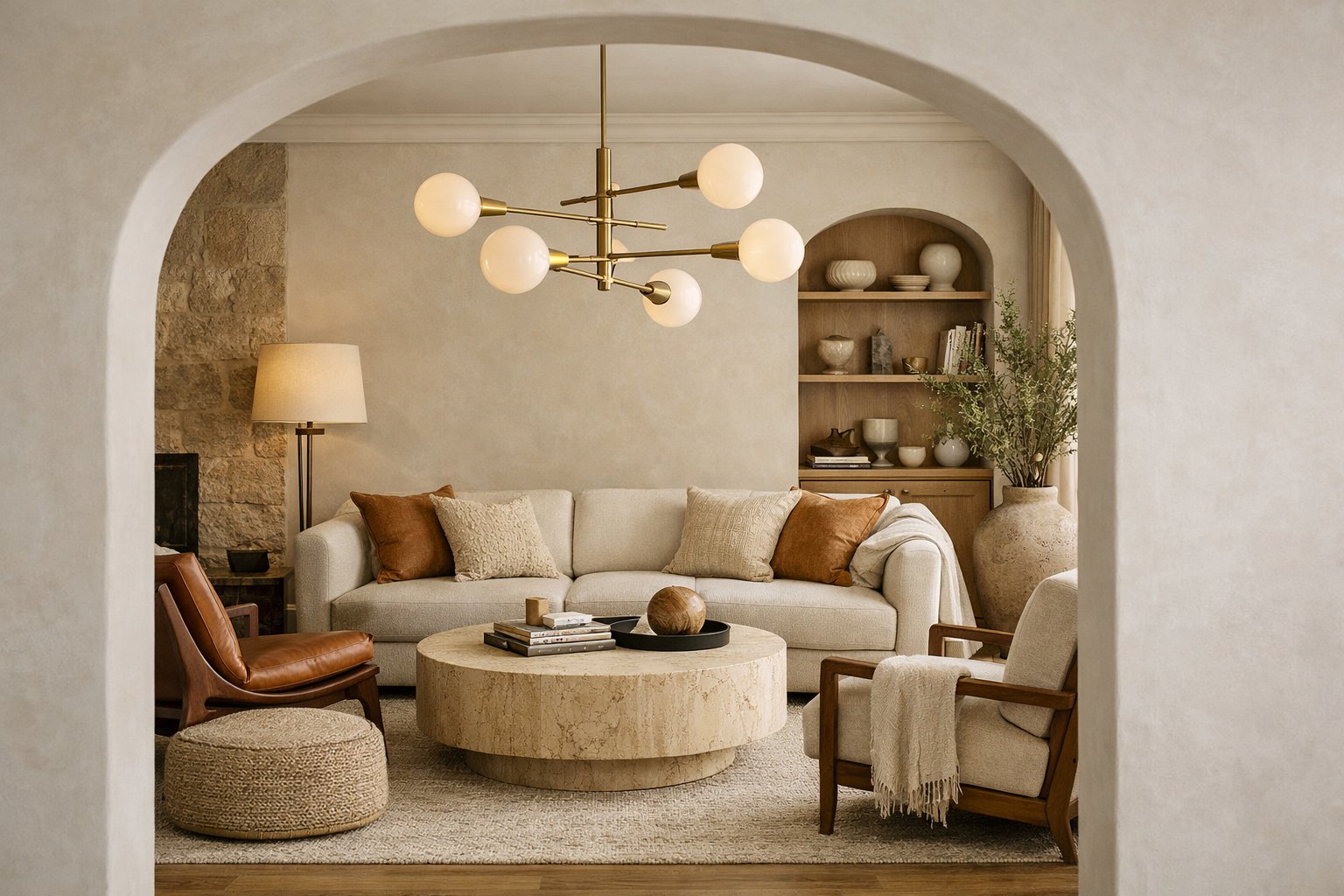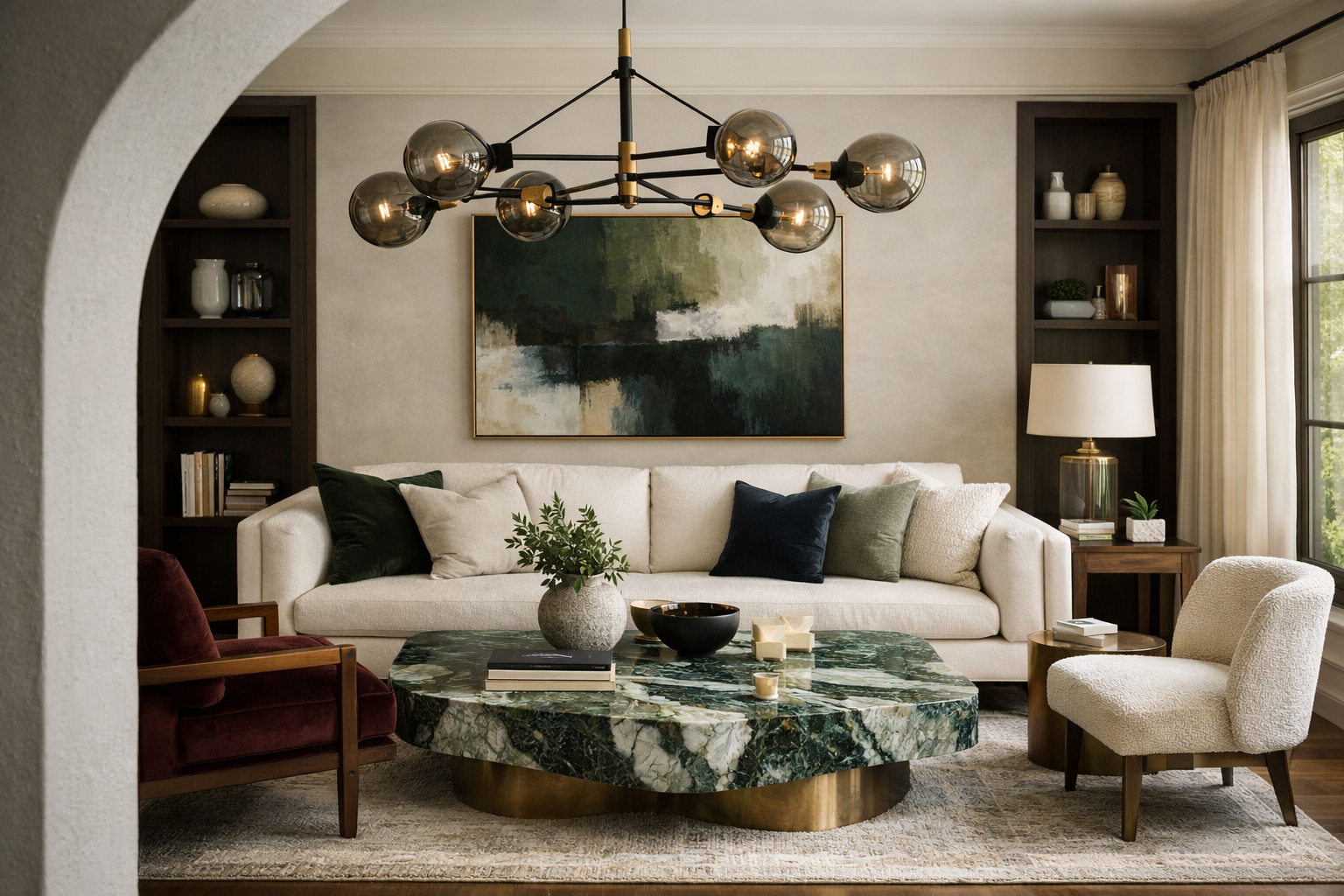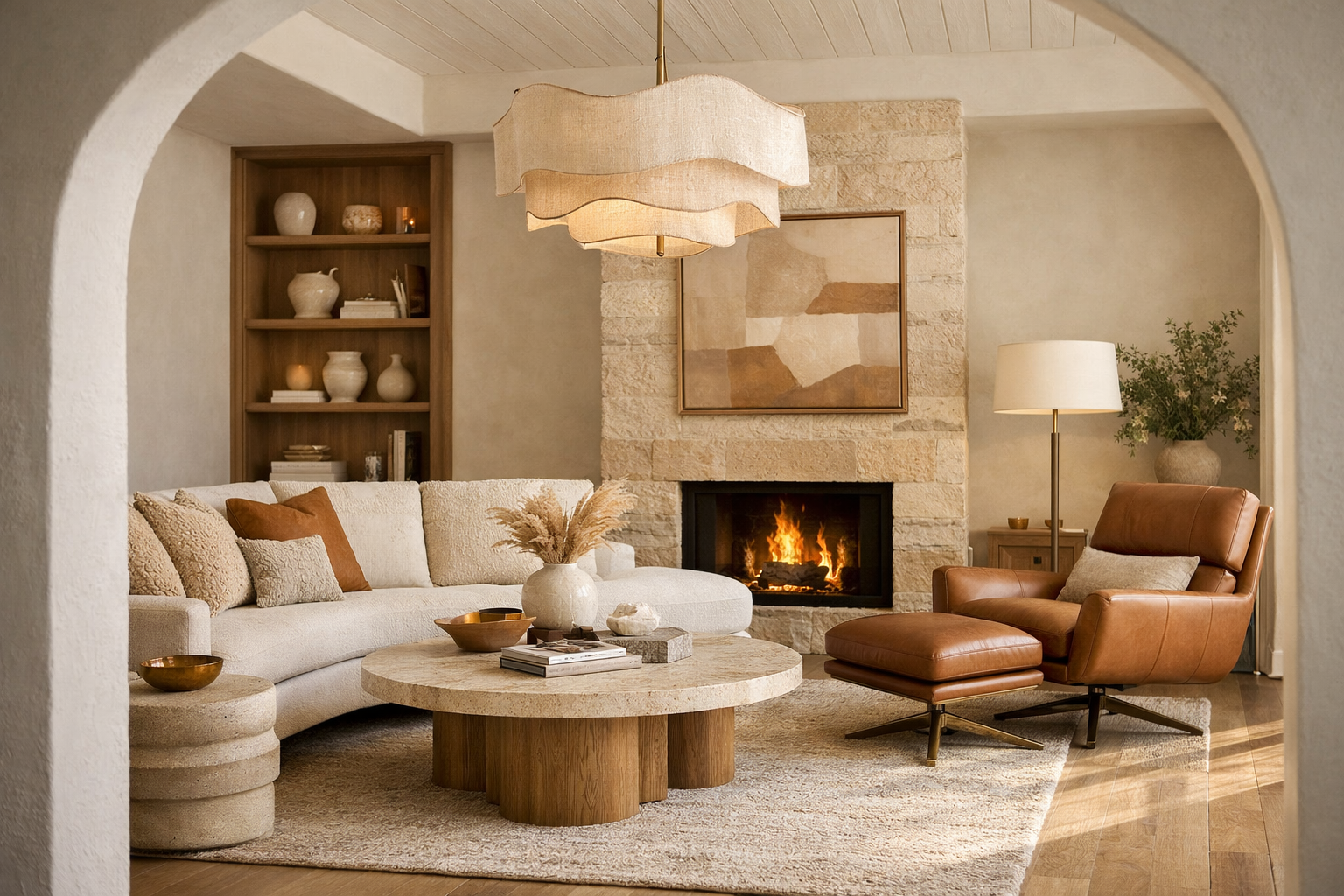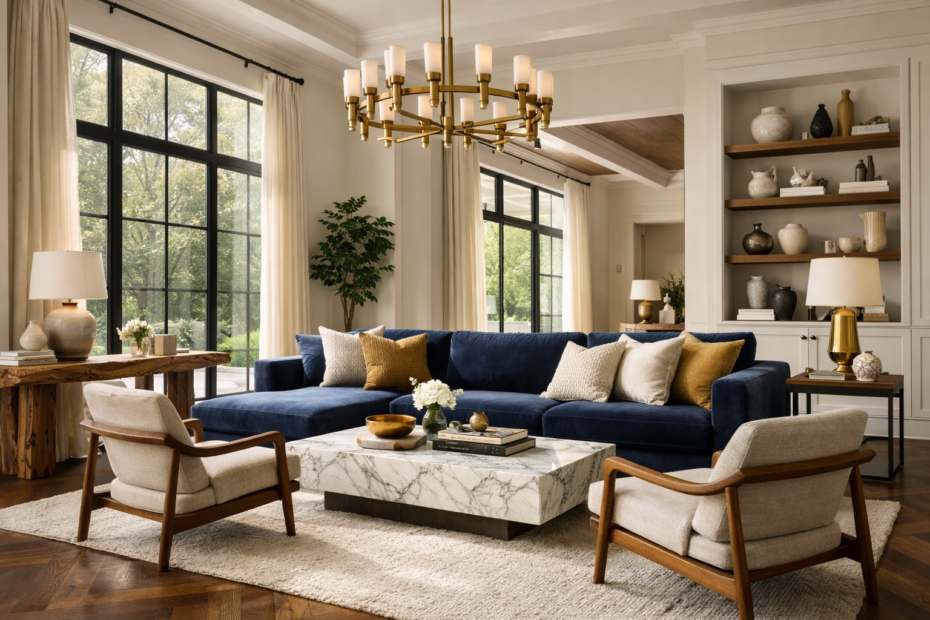
You want your home to feel perfect. But you don’t know where to start. So, what does an interior designer do to help you?
An interior designer creates spaces that look beautiful and work well. They plan layouts, choose colors, and pick furniture. They manage your whole project from start to finish.
At Brown Interiors, our team has transformed homes for over 41 years. Our lead designer Nycol Mealer brings 25+ years of custom home experience. We know what works and what doesn’t in interior design.
Table of Contents
- What an Interior Designer Does: Core Responsibilities
- The Interior Design Process Explained
- Interior Design Services You Can Expect
- Interior Designer vs Interior Decorator: Key Differences
- When to Hire an Interior Designer
- Interior Designer Costs and Value
- Frequently Asked Questions
What an Interior Designer Does: Core Responsibilities
An interior designer handles every part of creating your ideal space. They start by meeting with you to learn your style. Then they create a complete plan for your home.
Interior designers measure your rooms carefully. They draw floor plans that show where furniture goes. They pick colors that work together beautifully. Also, they choose materials that fit your budget and lifestyle.
Space Planning and Layout Design
Space planning is what interior designers do first. They look at how you use each room. Then they design a layout that makes sense for your life.
Your interior designer creates detailed floor plans. These plans show furniture placement and traffic flow. They make sure each room feels spacious and comfortable. Plus, they plan storage solutions you need.
Good space planning saves you money later. Your designer spots problems before construction starts. They prevent costly mistakes that happen without proper planning. In fact, this step is what interior designers do to protect your investment.
Color and Material Selection
Interior designers are experts at choosing colors. They know which colors work together well. They understand how light changes color throughout the day.
Your designer picks paint colors for walls and ceilings. They select fabrics for furniture and window treatments. They choose flooring materials that last and look great. Also, they find countertops and backsplashes that fit your style.
Color selection affects your mood and energy. An interior designer creates color schemes that make you feel good. They balance bold colors with neutral tones. According to the American Society of Interior Designers, professional color consultation increases home value significantly.
Furniture and Furnishings Selection
What does an interior designer do when picking furniture? They find pieces that fit your space perfectly. They measure carefully so everything fits right.
Interior designers have access to many furniture sources. They know showrooms and manufacturers you can’t reach. They find unique pieces at good prices. At our furniture showroom, clients see quality options they won’t find elsewhere.
Your designer selects sofas, chairs, and tables first. Then they add lighting, rugs, and accessories. They create a complete look that reflects your personality. Plus, they make sure each piece works with the others.
Project Management and Coordination
Interior designers manage your entire project. They hire contractors and craftspeople. They order all materials and furniture. They make sure everything arrives on time.
Your interior designer coordinates with electricians and plumbers. They work with painters and installers. They handle delivery schedules and installation dates. So, you don’t have to manage multiple vendors yourself.
Project management is what interior designers do to reduce stress. They solve problems that come up during construction. They keep your project on schedule and on budget. In fact, professional project management often saves more money than it costs.
Expert Insight from Nycol Mealer, Lead Designer at Brown Interiors:
“Interior designers do much more than make rooms pretty. We solve real problems in how spaces work. We prevent expensive mistakes before they happen. Plus, we save clients time by managing every detail from start to finish.”
The Interior Design Process Explained
The interior design process follows clear steps. Each step builds on the one before. Understanding what an interior designer does at each stage helps you prepare.
Initial Consultation and Discovery
Your first meeting with an interior designer is crucial. You discuss your goals and vision. The designer asks about your lifestyle and preferences.
An interior designer tours your home during this meeting. They take measurements and photos. They note structural features and existing furniture. Also, they discuss your budget and timeline honestly.
This first step helps your designer understand you. They learn what you like and dislike. They see how you use your space daily. Then they can create designs that truly fit your needs.
Concept Development and Design Presentation
After the consultation, your interior designer creates concepts. They develop floor plans showing new layouts. They select colors, materials, and furniture options.
Your designer presents these ideas in a clear way. They show you mood boards with colors and textures. They provide samples of fabrics and finishes. They explain why each choice works for your space.
During this phase, an interior designer refines the plan. They listen to your feedback carefully. They make changes based on your input. This collaboration ensures the final design matches your vision. Our interior design services include multiple revisions until you’re completely satisfied.
Design Implementation and Installation
Once you approve the design, implementation begins. Your interior designer orders all materials and furniture. They schedule contractors and installers. They oversee every detail of the work.
What does an interior designer do during installation? They visit your home regularly. They check that work matches the plans exactly. They solve any problems that arise quickly.
Your designer coordinates delivery dates carefully. They make sure furniture arrives after painting finishes. They schedule window treatment installation at the right time. So, your project proceeds smoothly without delays.
Final Styling and Project Completion
The final step is styling and finishing touches. Your interior designer places furniture precisely. They hang artwork at the perfect height. They arrange accessories and add plants.
Styling is what interior designers do to complete the look. They adjust pillows and throws on sofas. They style bookshelves and coffee tables. They make sure every detail looks beautiful.
Before the project ends, your designer does a walkthrough. They check that everything works correctly. They explain how to care for new materials. They leave you with a space you love living in.
Interior Design Services You Can Expect
Interior designers offer many different services. The services you need depend on your project. Understanding what an interior designer does in each service area helps you choose wisely.
Full-Service Interior Design
Full-service design covers everything from start to finish. An interior designer handles all aspects of your project. This option works best for complete renovations or new homes.
With full-service design, your designer creates floor plans. They select all colors, materials, and furniture. They manage contractors and oversee installation. Plus, they handle every detail so you don’t have to.
Full-service interior design saves you time and stress. You work with one professional throughout the project. They coordinate everything and solve all problems. According to HGTV design experts, full-service design typically delivers better results than piecemeal approaches.
Room-by-Room Design Services
Room-by-room services focus on specific spaces. You might hire an interior designer for just your kitchen. Or you might need help with your bedroom only.
This approach costs less than full-service design. Your interior designer creates a plan for one room. They select furniture and finishes for that space. They help you implement the design yourself or with minimal help.
Room-by-room design works well for smaller budgets. You can complete one room at a time. Each room gets professional attention without overwhelming expense. In fact, many clients start with one room and add more later.
Design Consultation Services
Consultation services provide expert advice without full implementation. An interior designer meets with you for a few hours. They give you ideas and recommendations you can use.
During a consultation, your designer answers specific questions. They suggest paint colors and furniture placement. They provide shopping lists and resource recommendations. So, you can do the work yourself with professional guidance.
Consultation services cost much less than full design. You get expert input on your biggest challenges. You avoid major mistakes without full design fees. This option works well for confident DIY homeowners.
Specialized Design Services
Many interior designers offer specialized services too. These focus on specific aspects of design. Understanding what an interior designer does in these areas helps you get targeted help.
Window treatment design is one specialized service. Your designer measures windows precisely. They specify custom draperies, blinds, or shades. They coordinate with workrooms for perfect results. Our custom window upholstery services include expert measurement and installation.
Kitchen and bathroom design requires special expertise. These rooms have complex requirements and codes. An interior designer plans layouts that work efficiently. They select fixtures, finishes, and storage solutions carefully.
Holiday decorating is another specialized service. Your interior designer creates festive looks for your home. They install decorations and remove them after the season. They store everything properly for next year. Plus, they make your holidays stress-free and beautiful.
Interior Designer vs Interior Decorator: Key Differences
Many people confuse interior designers with decorators. These professions differ in important ways. Knowing what an interior designer does compared to a decorator helps you hire correctly.
Education and Credentials
Interior designers typically have formal education. Most earn college degrees in interior design. They study architecture, building codes, and technical drawing. Also, they learn about structural design and safety requirements.
Professional interior designers often earn certifications too. Many join the American Society of Interior Designers. Some states require licensing for interior designers. This education ensures they can handle complex projects safely.
Interior decorators usually have less formal training. They focus on aesthetics and style. They may take short courses or workshops. But they don’t typically study structural design or codes.
Scope of Work
What does an interior designer do that decorators don’t? Interior designers can change room layouts. They can move walls and change electrical systems. They understand plumbing and HVAC requirements.
Interior designers work on new construction projects. They collaborate with architects and builders. They read blueprints and create technical drawings. They ensure designs meet building codes and safety standards.
Interior decorators work with existing spaces. They arrange furniture and select accessories. They choose colors and fabrics beautifully. But they don’t typically redesign room layouts or manage construction.
When to Choose Each Professional
Choose an interior designer for major renovations. Hire them when moving walls or changing layouts. They’re essential for new construction projects. Also, use them when dealing with complex structural issues.
Choose an interior decorator for refreshing existing spaces. Hire them when you love your layout already. They work well for quick updates and seasonal changes. They help when you need styling advice only.
At Brown Interiors, our team includes certified interior designers. We handle both simple decorating and complex renovations. So, you get the right expertise for your specific project. The Entrepreneur’s Guide to Hiring Design Professionals offers additional insights on making this choice.
Expert Insight from Deborah Brown, Owner of Brown Interiors:
“Interior designers bring technical knowledge that decorators don’t have. We can redesign spaces from the ground up. We ensure everything meets codes and works safely. Plus, we manage complex projects that require multiple contractors and trades.”
When to Hire an Interior Designer
Knowing when to hire helps you get the best results. Some projects need an interior designer immediately. Others work fine with your own efforts. Understanding what an interior designer does helps you decide.
New Home Construction
New home construction absolutely needs an interior designer. They work with your builder from the start. They help you make smart decisions about layout and finishes.
Your interior designer reviews floor plans before construction begins. They suggest changes that improve flow and function. They help you select structural elements like windows and doors. So, you avoid regrets after walls go up.
During construction, an interior designer coordinates with your builder. They specify exactly where outlets and lights go. They plan for furniture placement from the beginning. They ensure finish selections work together beautifully. Our new construction design services guide you through every decision point.
Major Renovations and Remodeling
Major renovations require professional interior design help. These projects change room layouts or functions. They involve structural modifications and complex coordination.
What does an interior designer do during renovations? They create detailed plans before demolition starts. They coordinate with contractors and trades. They solve problems that arise during construction quickly.
Kitchen and bathroom renovations especially need interior designers. These rooms have strict code requirements. They need precise planning for plumbing and electrical. A designer ensures everything works correctly and looks beautiful.
When You Feel Overwhelmed or Stuck
Sometimes you just feel stuck with your space. You don’t know where to start or what to change. You’ve tried different arrangements but nothing works well.
An interior designer solves this problem quickly. They see your space with fresh eyes. They spot issues you’ve stopped noticing. Then they create solutions you wouldn’t think of yourself.
Feeling overwhelmed by choices is normal. Today’s market offers too many options. An interior designer narrows choices to what works best. They prevent expensive mistakes and buyer’s regret.
When You Want to Save Time
Interior design takes significant time. You must research products and compare prices. You need to visit multiple stores and showrooms. You have to coordinate deliveries and installations.
Hiring an interior designer saves you countless hours. They know where to find exactly what you need. They have relationships with vendors and contractors. So, your project moves forward much faster.
What does an interior designer do that saves you time? They handle all shopping and ordering. They manage delivery schedules efficiently. They coordinate installers and solve problems immediately. In fact, designers often complete projects twice as fast as DIY efforts.
Interior Designer Costs and Value
Understanding interior designer costs helps you budget wisely. Different designers charge in different ways. Knowing what an interior designer does for each fee structure helps you choose the right approach.
Common Fee Structures
Interior designers use several common fee structures. Hourly rates work well for small projects and consultations. Designers typically charge between $100 and $300 per hour. You pay only for the time they spend helping you.
Flat fees work well for defined projects. Your interior designer estimates the total project scope. Then they quote one price for everything. This approach provides cost certainty from the start.
Percentage-based fees tie to your project budget. The designer charges a percentage of total project costs. This typically ranges from 10% to 30% of spending. So, the fee scales with project size naturally.
What Affects Interior Designer Costs
Several factors affect what an interior designer charges. Experience level matters significantly. Designers with 20+ years charge more than beginners. But experienced designers often save you more money too.
Project complexity affects costs as well. Simple room refreshes cost less than full renovations. Projects requiring structural changes need more time and expertise. So, complex projects naturally cost more for design services.
Your location impacts interior designer fees too. Designers in major cities charge more than rural areas. High-cost-of-living areas have higher design fees. According to Forbes Home Improvement Guide, location can affect costs by 50% or more.
The Return on Investment
Professional interior design provides real financial returns. Well-designed spaces increase home values significantly. Real estate experts confirm that design quality affects sale prices.
What does an interior designer do that saves you money? They prevent costly mistakes before they happen. They help you avoid buying furniture that doesn’t fit. They stop you from choosing finishes you’ll regret.
Interior designers also save money through trade discounts. They access wholesale pricing on furniture and materials. These discounts often cover their design fees completely. So, you get professional help at little or no net cost.
Good design reduces future remodeling needs too. Spaces designed correctly work well for years. You don’t need to redo rooms that were done right initially. In fact, this long-term value often exceeds the upfront cost.
How to Maximize Your Design Budget
Smart strategies help you maximize interior design value. Start by being clear about your budget upfront. Tell your designer exactly what you can spend. Then they can design within your means from the start.
Consider phasing your project over time. Complete high-priority rooms first. Add other spaces later when budget allows. Your interior designer can create a master plan that phases beautifully.
Be open to your designer’s money-saving suggestions. They know where to splurge and where to save. They understand which investments matter most. So, trust their guidance on budget allocation.
Expert Insight from Nycol Mealer, Lead Designer at Brown Interiors:
“Interior designers often pay for themselves through avoided mistakes and trade discounts. We’ve saved clients thousands by catching problems early. Plus, our vendor relationships provide access to better products at better prices than retail stores offer.”
How to Work With an Interior Designer: Step-by-Step Process
Working successfully with an interior designer requires preparation and collaboration. Following these steps ensures the best possible results. Understanding what an interior designer does at each stage helps you participate effectively.
- Research and interview multiple designers. Look at their portfolios carefully. Check their experience with projects like yours. Ask about their design process and fees. Then choose someone whose style matches your vision.
- Prepare for your first meeting. Gather inspiration photos you love. Make notes about what you need and want. List problems with your current space. Also, determine your realistic budget before the consultation.
- Communicate openly and honestly. Tell your designer what you truly like and dislike. Share your concerns about costs or timeline. Ask questions when you don’t understand something. Good communication creates better results.
- Review proposals carefully before signing. Read all contracts and agreements thoroughly. Make sure you understand what’s included and excluded. Clarify payment schedules and cancellation policies. Then ask questions about anything unclear.
- Provide timely feedback on concepts. Review design presentations promptly. Give specific feedback about what works and doesn’t. Explain why you like or dislike certain choices. So, your designer can refine the plan quickly.
- Trust your designer’s expertise. They recommend certain choices for good reasons. Listen to their explanations with an open mind. Try to see their vision before dismissing ideas. Often their suggestions work better than you initially think.
- Make decisions when needed. Interior design requires many choices from you. Respond to questions and requests promptly. Delayed decisions slow your project significantly. So, keep the process moving by being decisive.
- Stay within your approved budget. Resist the temptation to upgrade everything. Stick to the spending plan you agreed upon. Ask about costs before requesting changes. Budget discipline keeps your project on track.
- Allow your designer to manage contractors. Let them handle coordination and problem-solving. Don’t give contractors different instructions directly. This prevents confusion and maintains accountability. Your designer ensures quality work throughout.
- Be patient with the timeline. Good design takes time to implement correctly. Custom furniture requires weeks or months to build. Quality work can’t be rushed without sacrificing results. Trust the process and timeline your designer provides.
What an Interior Designer Does: Quick Reference Definition
An interior designer is a trained professional who plans and creates functional, beautiful interior spaces. They analyze spatial requirements, develop design concepts, and select appropriate materials, colors, and furnishings. Interior designers coordinate with contractors and vendors to implement complete design solutions. They manage projects from initial consultation through final installation. Their expertise combines aesthetic sensibility with technical knowledge of building codes, safety requirements, and construction methods. Interior designers improve how spaces look and how well they function for daily life.
Frequently Asked Questions
What does an interior designer do on a daily basis?
An interior designer spends time meeting with clients and understanding their needs. They create design concepts using computer software and hand drawings. They visit showrooms to source furniture and materials. Also, they coordinate with contractors and vendors throughout projects. They manage multiple projects simultaneously at different completion stages. Plus, they handle administrative tasks like proposals and invoicing daily.
How long does an interior designer take to complete a project?
Interior design project timelines vary significantly by scope. A single room refresh might take 4 to 8 weeks. A whole-home design typically requires 3 to 6 months. Major renovations can take 6 to 12 months or longer. What an interior designer does during this time includes planning, ordering, and coordinating. Custom furniture orders add several months to timelines. So, patience helps you get the best results.
Can I hire an interior designer for just one room?
Yes, most interior designers offer single-room design services. This approach costs less than whole-home design. Your designer focuses all attention on that specific space. They create a complete plan including furniture, colors, and finishes. Then they can help you implement the design fully. Single-room projects work well for kitchens, bedrooms, or living rooms. In fact, many clients start with one room and add more later.
Do interior designers only work on expensive luxury projects?
No, interior designers work with all budget levels. They create beautiful spaces at many different price points. What an interior designer does is maximize your specific budget. They find creative solutions that fit what you can spend. They know where to invest and where to save money. Professional designers make any budget work harder and smarter. So, don’t assume design services are only for wealthy clients.
What should I prepare before meeting an interior designer?
Collect photos of spaces and styles you love before meeting. Write down specific problems with your current space. List must-have items and features you need included. Determine your realistic budget including some contingency funds. Measure your rooms if possible or have dimensions ready. Also, think about your timeline and any deadline requirements. This preparation helps your designer understand your needs quickly and completely.
Transform Your Space With Professional Interior Design
Now you understand what an interior designer does throughout a project. They create spaces that work beautifully for your daily life. They manage complex details you might overlook. Plus, they save you time, money, and stress.
Professional interior design transforms how you feel at home. Well-designed spaces improve your mood and productivity. They make daily activities easier and more enjoyable. So, the investment in design pays dividends every single day.
At Brown Interiors, we’ve helped Houston area homeowners for over 41 years. Our experienced team understands what interior designers do to create exceptional spaces. We combine technical expertise with creative vision. Also, we manage every detail so you can enjoy the process.
Ready to start your design project? Visit our Pearland showroom to see quality furniture and finishes. Meet our design team and discuss your vision. We’ll explain exactly what an interior designer does for your specific project. Then we’ll create a custom plan that fits your style, needs, and budget perfectly.
Contact Brown Interiors today at (281) 412-5305. Or email us at customerservice@browninteriors.com. Let’s transform your space into the home you’ve always wanted.