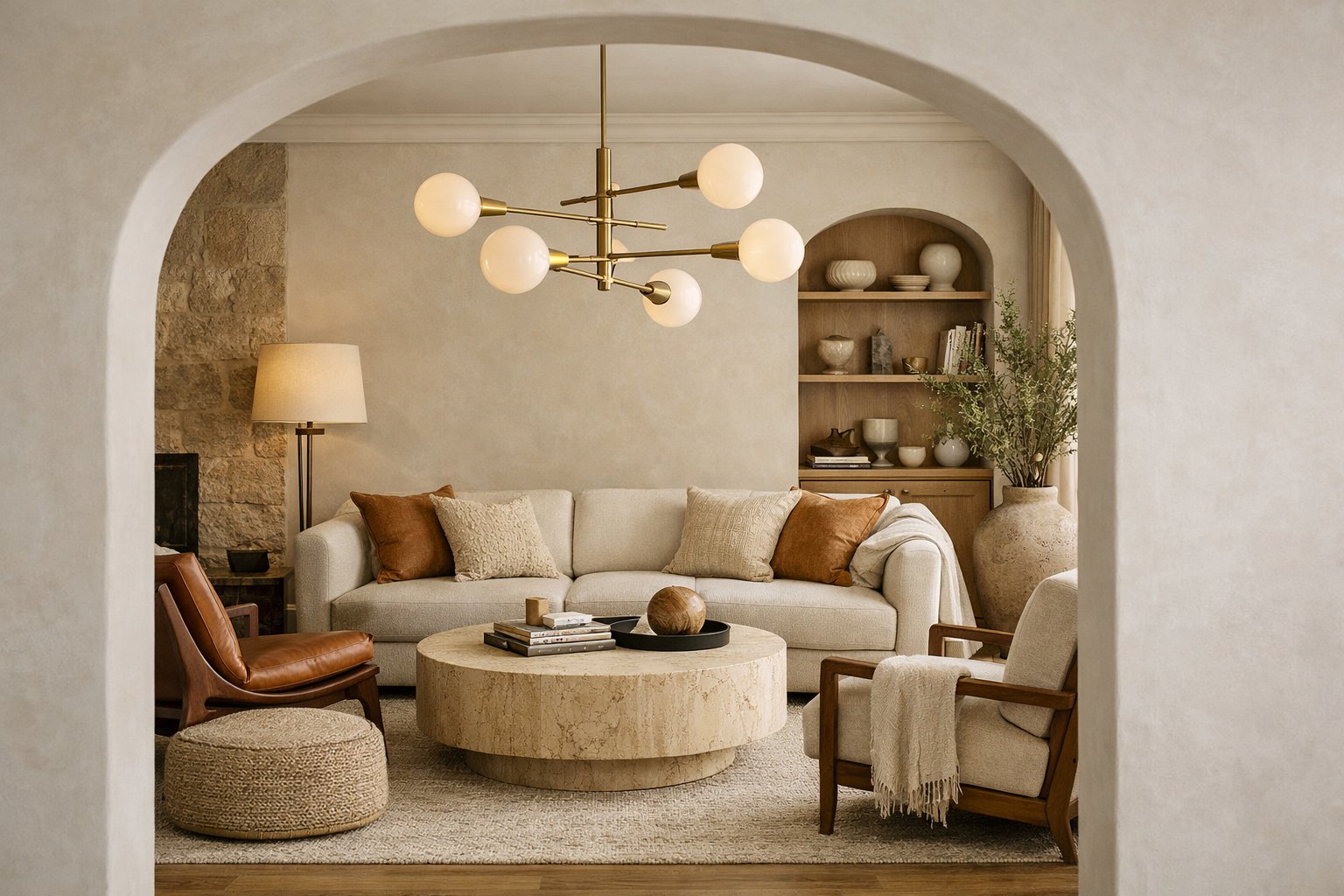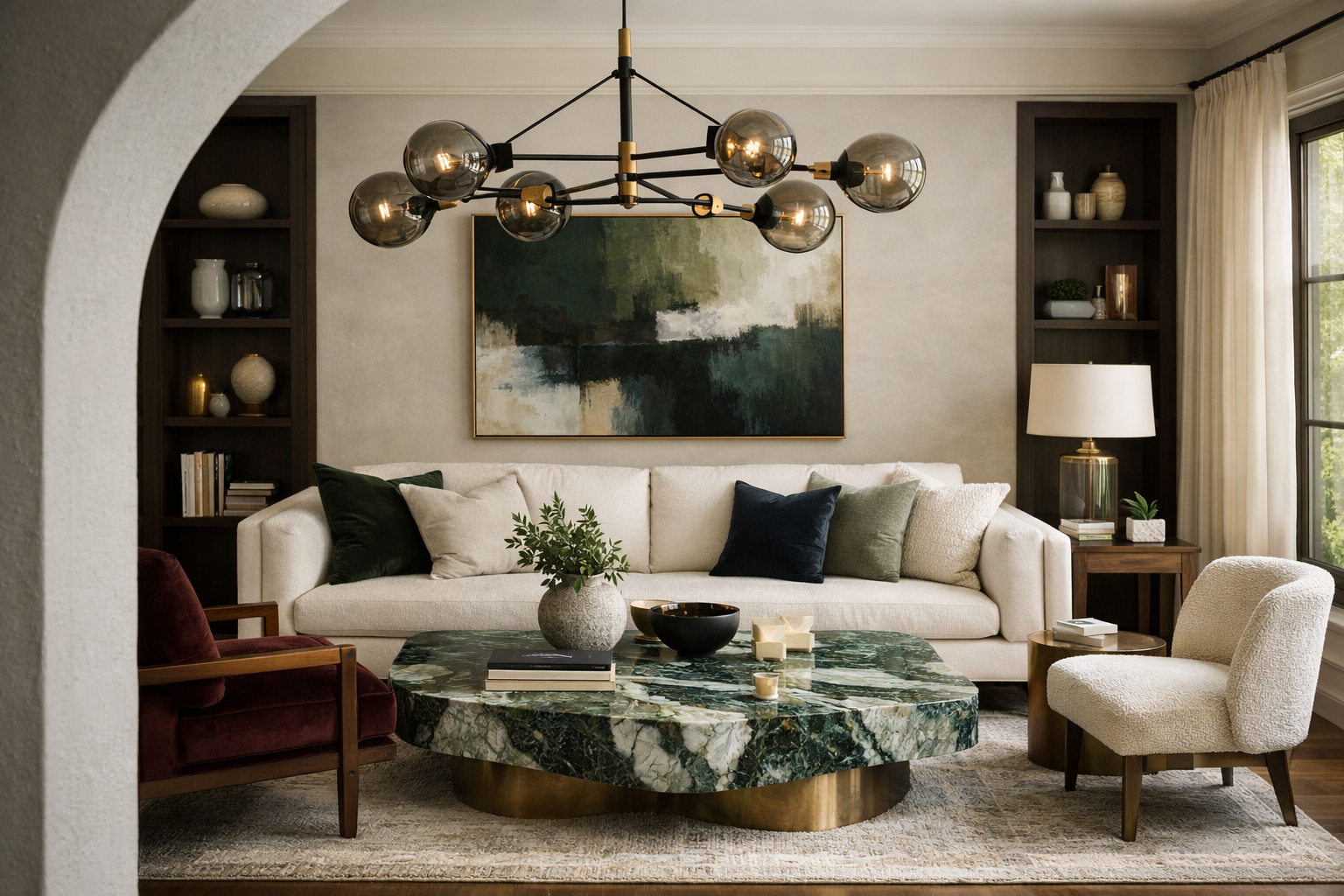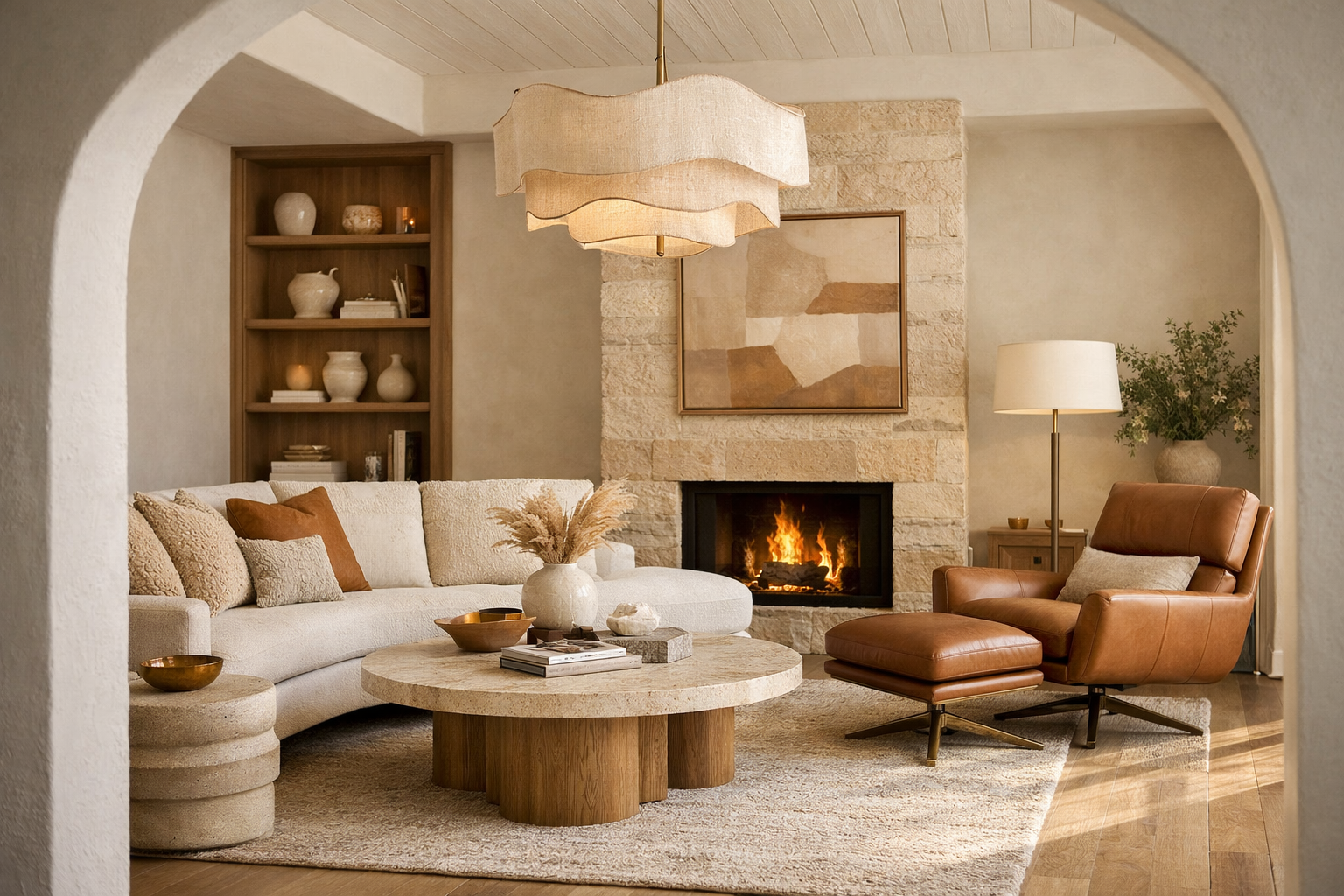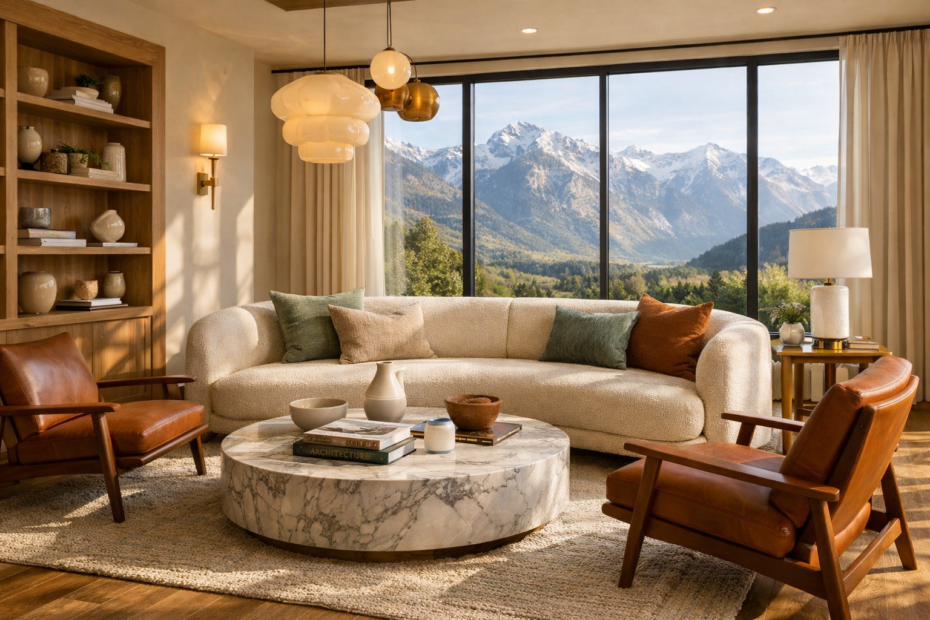
Your home should feel like you. But blank walls and empty rooms can feel overwhelming. Interior design is the art and science of creating functional, beautiful spaces that reflect your style. It transforms how you live every day.
Many homeowners struggle with where to start. They want cohesive rooms that work well. But design choices can feel confusing. The right approach makes the process clear and enjoyable.
At Brown Interiors, we’ve helped Houston-area families create stunning homes since 1983. Owner Deborah Brown and lead designer Nycol Mealer bring decades of experience. They understand what makes interior design work for real people. Their team knows how to blend comfort with elegance.
Table of Contents
- What Is Interior Design?
- Core Elements of Interior Design
- The Interior Design Process
- Types of Interior Design Styles
- Why Interior Design Matters
- Working with an Interior Designer
- Frequently Asked Questions
What Is Interior Design?
Interior design is the process of shaping indoor spaces. It combines art, science, and psychology. The goal is to create environments that work well and look beautiful. Interior design considers how people use rooms. It balances function with aesthetics.
This field goes beyond picking paint colors. Interior design involves space planning, lighting, materials, and furniture selection. Designers think about flow between rooms. They consider how natural light moves through your home. Every design choice affects how you feel in your space.
Interior Design vs. Decorating
Interior design differs from decorating. Decorating focuses on aesthetics and finishing touches. It deals with color, fabrics, and accessories. Interior design addresses the entire space. It includes structural changes, lighting plans, and functional layouts.
Designers often work on new construction projects. They collaborate with architects and builders. The American Society of Interior Designers notes that interior design requires formal education. Designers must understand building codes and safety regulations. They create spaces that meet both beauty and function needs.
The Purpose of Interior Design
Interior design serves multiple purposes. First, it creates functional spaces that work for daily life. A well-designed kitchen makes cooking easier. A thoughtful bedroom promotes better sleep. Interior design also reflects your personality. Your home should tell your story.
Good interior design improves quality of life. It reduces stress and increases comfort. Studies show that interior design affects mood and productivity. The right design choices make homes feel welcoming. They create spaces where families want to spend time.
Professional Interior Design Standards
Professional interior design follows industry standards. Certified designers complete formal training programs. They stay current with building codes and safety requirements. Many designers join professional organizations like ASID. These groups ensure designers meet ethical standards.
At Brown Interiors, our certified designers bring proven expertise. They understand how interior design principles work in real homes. Their training covers color theory, spatial relationships, and material selection. This knowledge creates beautiful, livable spaces.
Core Elements of Interior Design
Interior design relies on seven core elements. These building blocks guide every design decision. Understanding them helps create cohesive, beautiful spaces. Each element plays a specific role in interior design.
Space and Layout
Space is the foundation of interior design. It includes both two-dimensional and three-dimensional areas. Floor space determines furniture placement. Vertical space affects how tall rooms feel. Interior design maximizes both types of space.
Layout refers to how you arrange furniture and elements. Good interior design creates clear pathways through rooms. It defines zones for different activities. Space planning prevents crowding. It ensures rooms flow naturally from one to another.
Line and Form
Lines create visual interest in interior design. Horizontal lines make rooms feel wider. Vertical lines draw eyes upward. Diagonal lines add energy and movement. Interior design uses lines to guide attention.
Form refers to the shape of objects. It includes furniture, architectural details, and accessories. Interior design balances different forms. Round forms soften spaces. Angular forms create drama. Mixing forms adds visual interest to interior design.
Light and Color
Light transforms interior design completely. Natural light changes throughout the day. Artificial lighting creates mood and function. Interior design uses three types of lighting. Ambient lighting provides overall illumination. Task lighting helps with specific activities. Accent lighting highlights features.
Color is one of the most powerful interior design tools. It affects emotions and perceptions. Warm colors energize spaces. Cool colors calm them. Interior design uses color to create cohesion. A unified color palette ties rooms together.
Texture and Pattern
Texture adds depth to interior design. It refers to how surfaces feel and appear. Smooth textures feel sleek and modern. Rough textures add warmth and character. Interior design mixes textures for visual interest. Combining velvet, wood, and metal creates layers.
Pattern brings personality to interior design. It includes geometric shapes, florals, and abstract designs. Interior design balances pattern with solid colors. Too much pattern overwhelms. Too little feels boring. The right mix creates dynamic spaces.
Furniture and Accessories
Furniture serves both function and style in interior design. It provides seating, storage, and surfaces. Interior design selects furniture that fits the space. Scale matters tremendously. Oversized furniture crowds small rooms. Tiny furniture gets lost in large spaces.
Accessories complete interior design schemes. They include art, pillows, plants, and decorative objects. These finishing touches add personality. They make interior design feel personal and complete. The right accessories pull the entire design together.
The Interior Design Process
Interior design follows a clear process. Understanding these steps helps set realistic expectations. Each phase builds on the previous one. The process ensures nothing gets overlooked in interior design.
Initial Consultation and Discovery
Interior design begins with conversation. Designers ask about your lifestyle and preferences. They learn how you use each room. This discovery phase shapes the entire interior design project. Designers assess your space and take measurements.
During consultation, designers discuss your budget and timeline. They explain their interior design approach. This meeting establishes expectations. It ensures everyone agrees on project scope. Good communication makes interior design successful.
Concept Development
Designers create concepts based on discovery findings. They develop mood boards showing colors, materials, and styles. These visual tools communicate interior design ideas clearly. Concept boards help you see the vision before work begins.
Interior design concepts include floor plans and furniture layouts. Designers may create 3D renderings. These tools show how spaces will look. They help you make confident interior design decisions. The 3D modeling process brings ideas to life.
Design Development and Selection
This phase refines interior design concepts. Designers select specific furniture, fabrics, and finishes. They source materials and get price quotes. Interior design development includes detailed specifications. Every element gets documented clearly.
Designers coordinate with contractors and vendors. They ensure materials arrive on time. This coordination keeps interior design projects on schedule. Proper planning prevents costly mistakes. It ensures smooth execution.
Implementation and Installation
Implementation brings interior design plans to reality. Contractors complete any construction work. Painters apply colors. Electricians install lighting. Designers oversee every step of interior design installation.
Furniture and accessories arrive and get placed. Designers arrange everything according to the plan. They handle final adjustments. Interior design installation requires careful attention to detail. Professional oversight ensures quality results.
Final Reveal and Follow-Up
The final walkthrough completes interior design projects. Designers ensure everything meets expectations. They address any concerns immediately. This quality check guarantees satisfaction with interior design work.
Many interior design relationships continue beyond installation. Designers help with seasonal updates. They source new accessories as needed. Ongoing support keeps your interior design fresh and functional.
Types of Interior Design Styles
Interior design encompasses many styles. Each reflects different aesthetics and periods. Understanding styles helps define your interior design preferences. Most homes blend multiple styles successfully.
Traditional Interior Design
Traditional interior design draws from European sensibilities. It features classic furniture and rich fabrics. Colors tend toward warm, muted tones. Traditional interior design feels formal and elegant. It includes detailed woodwork and ornate accessories.
This interior design style emphasizes symmetry and balance. Furniture often appears in pairs. Traditional spaces feel orderly and refined. They work well for those who appreciate timeless beauty. Traditional interior design never goes out of style.
Contemporary and Modern Design
Contemporary interior design reflects current trends. It features clean lines and minimal decoration. Colors are often neutral with bold accents. Contemporary interior design feels fresh and uncluttered. It emphasizes function and simplicity.
Modern interior design refers to a specific mid-century movement. It includes iconic furniture pieces. Modern spaces feel open and airy. Both styles suit those who prefer streamlined interior design. They work especially well in urban settings.
Transitional Interior Design
Transitional interior design blends traditional and contemporary elements. It offers the best of both approaches. Furniture mixes clean lines with classic comfort. Transitional interior design feels current yet timeless. It works for many homeowners.
This interior design style balances old and new. It uses neutral colors with interesting textures. Transitional spaces feel sophisticated and livable. They appeal to those who want updated interior design without stark minimalism.
Coastal and Rustic Styles
Coastal interior design captures beach house charm. It features light colors and natural materials. Blues, whites, and sandy tones dominate. Coastal interior design feels relaxed and breezy. It brings vacation vibes home.
Rustic interior design emphasizes natural, raw materials. Wood, stone, and leather feature prominently. Colors reflect nature. Rustic interior design feels warm and grounded. It suits those who love organic, earthy spaces.
Eclectic and Personalized Design
Eclectic interior design mixes elements from various styles. It combines different periods and aesthetics. The key is creating cohesion through color or theme. Eclectic interior design showcases personality and creativity.
This interior design approach requires careful balance. Too many styles create chaos. Done well, eclectic spaces feel curated and interesting. They tell unique stories through interior design choices.
Why Interior Design Matters
Interior design significantly impacts daily life. It goes beyond aesthetics alone. Good interior design improves how homes function. It affects mood, productivity, and wellbeing. Understanding these benefits shows interior design value.
Functionality and Flow
Interior design optimizes how spaces work. It creates efficient layouts for daily activities. Good interior design eliminates wasted space. It ensures rooms serve their intended purpose. Thoughtful planning makes homes more livable.
Flow describes movement between rooms. Interior design creates natural pathways. It prevents bottlenecks in high-traffic areas. Proper flow makes homes feel larger. It improves how families use interior spaces.
Emotional and Psychological Benefits
Interior design affects emotions profoundly. Colors influence mood and energy levels. Lighting impacts circadian rhythms. According to the American Psychological Association, physical environments affect mental health. Interior design creates spaces that support wellbeing.
A well-designed home reduces stress. It creates order and calm. Interior design establishes sanctuary spaces. These areas offer retreat from daily pressures. Thoughtful interior design nurtures emotional health.
Property Value and Investment
Quality interior design increases home value. It makes properties more appealing to buyers. Updated interiors sell faster and for higher prices. Interior design is a smart financial investment. It pays returns when selling.
Even without selling, interior design improves your investment. It protects finishes and materials. Professional interior design choices last longer. They require less frequent replacement. This saves money over time.
Personal Expression and Identity
Interior design reflects who you are. It showcases your personality and values. Your home tells your story through interior design. This personal expression creates satisfaction. It makes you proud of your space.
Interior design also evolves with you. As life changes, spaces can adapt. Flexible interior design accommodates different life stages. It grows with your family and needs.
Expert Insight from Deborah Brown, Founder of Brown Interiors:
“Great interior design creates spaces where you truly want to live. It balances beauty with real life. Your home should work for you, not against you.”
Working with an Interior Designer
Professional interior design brings expertise to your project. Designers save time and prevent costly mistakes. They have access to resources unavailable to consumers. Understanding how to work with interior design professionals maximizes results.
When to Hire a Designer
Some projects clearly need interior design help. New construction benefits from early designer involvement. Major renovations require professional interior design guidance. Complex spaces with multiple functions need expert planning.
Even smaller projects benefit from interior design consultation. Designers help with furniture selection and color choices. They prevent expensive mistakes. Professional interior design expertise saves money long-term. Consider hiring for any project that feels overwhelming.
Finding the Right Designer
Start by researching local interior design professionals. Look at portfolios and client reviews. Styles vary widely among interior design firms. Find someone whose aesthetic matches yours. Chemistry matters in interior design relationships.
Check credentials and professional memberships. Certified interior designers have formal training. Membership in organizations like ASID indicates professionalism. Experience level matters for complex interior design projects. The team at Brown Interiors brings decades of proven expertise.
Understanding Design Fees
Interior design fees vary by project and location. Some designers charge hourly rates. Others use flat fees for entire projects. Many use percentage-based pricing. Understanding interior design fee structures helps with budgeting.
Fees typically reflect experience and expertise. More established interior design professionals charge higher rates. Their experience often saves money on the back end. They prevent costly mistakes and delays. Quality interior design is an investment.
Preparing for Your Project
Good preparation improves interior design outcomes. Gather inspiration images before meeting designers. Create a realistic budget including contingency funds. Think about timeline and any hard deadlines. Clear goals help interior design projects succeed.
Be honest about your lifestyle and habits. Interior design should accommodate real life. If you have pets or children, mention this. Designers will select durable materials. Honest communication creates interior design that works long-term.
Communication and Collaboration
Regular communication ensures interior design success. Ask questions when something is unclear. Share concerns early rather than waiting. Good interior design relationships involve collaboration. Designers want you to love the results.
Trust your interior design professional’s expertise. They have experience you’re paying for. Be open to suggestions outside your comfort zone. Often the best interior design involves trying new things. Balance input with professional guidance.
Frequently Asked Questions
What is interior design exactly?
Interior design is the art and science of enhancing interior spaces. It creates functional, beautiful environments that reflect personal style. Interior design involves space planning, color selection, lighting, and furniture placement. Professional interior designers balance aesthetics with practical needs for daily living.
How does interior design differ from decorating?
Interior design addresses entire spaces including layout and structure. It requires understanding of building codes and spatial relationships. Decorating focuses mainly on aesthetic finishing touches. Interior designers often work on construction projects. Decorators primarily select colors, fabrics, and accessories for existing spaces.
Why should I invest in professional interior design?
Professional interior design saves time and prevents expensive mistakes. Designers have access to better resources and materials. They create cohesive spaces that function well. Good interior design increases property value. It also improves daily quality of life through better-planned spaces.
How long does an interior design project take?
Interior design timelines vary greatly by project scope. A single room might take four to eight weeks. Whole-home interior design can take several months. New construction projects run longer. Custom furniture extends interior design timelines. Your designer will provide realistic estimates.
Can I do interior design myself?
You can tackle small interior design projects yourself. Simple room refreshes work as DIY projects. Larger renovations benefit from professional interior design help. Designers bring training in spatial relationships and color theory. They prevent costly mistakes. Consider professional help for complex interior design challenges.
How to Approach Your Interior Design Project
- Define Your Goals: Identify what you want from interior design. List must-haves and nice-to-haves. Consider how you use each space daily.
- Set Your Budget: Determine realistic interior design spending limits. Include furniture, materials, and professional fees. Add contingency funds for unexpected costs.
- Gather Inspiration: Collect images showing interior design you love. Note common themes in your selections. This clarifies your style preferences.
- Assess Your Space: Measure rooms accurately for interior design planning. Note architectural features and natural light. Identify problem areas needing solutions.
- Research Designers: Find interior design professionals in your area. Review portfolios and client testimonials. Schedule consultations with top candidates.
- Interview Candidates: Ask about interior design experience and approach. Discuss your project scope and budget. Ensure good chemistry and communication style.
- Review Proposals: Compare interior design fee structures carefully. Understand what each proposal includes. Check timelines and deliverables.
- Sign Contracts: Read interior design agreements thoroughly before signing. Clarify payment schedules and project milestones. Understand what happens if changes occur.
- Stay Involved: Attend interior design meetings and review progress regularly. Provide feedback promptly on presented options. Keep communication open throughout.
- Enjoy the Process: Interior design should be exciting, not stressful. Trust your designer’s expertise. Be open to ideas you hadn’t considered initially.
Quick Reference: Interior Design Defined
Interior design is the professional practice of creating functional and aesthetically pleasing interior environments. It combines technical knowledge with creative vision to transform spaces. Interior design considers spatial layout, lighting, color, materials, and furniture. The goal is creating interiors that improve quality of life while reflecting personal style. Professional interior designers apply principles of design, understand building codes, and coordinate with contractors to execute comprehensive projects from concept through installation.
Start Your Interior Design Journey
Interior design transforms houses into homes you love. It creates spaces that work beautifully for your life. Professional interior design brings expertise and resources. The right approach makes the process enjoyable and results lasting.
Your home deserves thoughtful interior design attention. Whether you need a complete renovation or room refresh, professional guidance helps. Interior design is an investment in comfort and value. It affects how you live every single day.
Ready to begin your interior design project? The team at Brown Interiors brings over 40 years of experience. Lead designer Nycol Mealer has guided hundreds of successful interior design transformations. Schedule a consultation to discuss your interior design vision. Your dream space is closer than you think.
Visit our portfolio to see completed interior design projects. Browse our showroom for furniture and accessories. Contact us at (281) 412-5305 or customerservice@browninteriors.com. Let’s create interior design you’ll love coming home to every day.