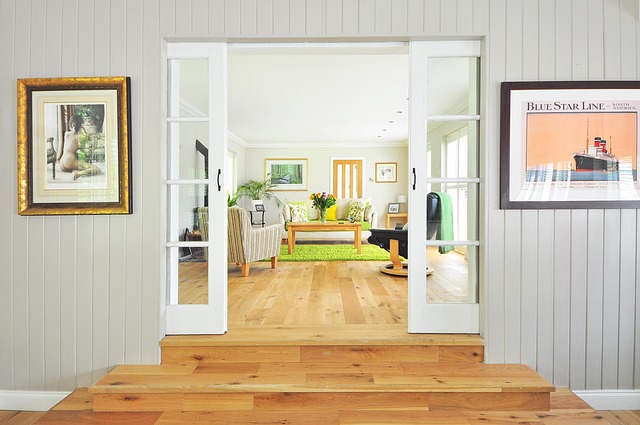
You have a renovation coming up. Or maybe a new build. And you are wondering: does an interior designer and contractor relationship actually work? The answer is yes. And it matters more than most people realize.
A skilled interior designer and contractor team keeps your project on track. The designer handles the vision. The contractor handles the build. Together, they make sure your finishes, fixtures, and layout all come together the right way. At Brown Interiors, we have spent 30 years coordinating with contractors across Pearland, Houston, and the surrounding area. We know what works. And we know what breaks down when the interior designer and contractor are not aligned. This guide tells you exactly how the relationship works, why it matters, and what to expect.
1. How an Interior Designer and Contractor Work Together
2. What the Interior Designer Handles on Your Project
3. What the Contractor Handles During Construction
4. How Designer-Contractor Coordination Prevents Costly Mistakes
5. Choosing the Right Interior Designer and Contractor Team
How an Interior Designer and Contractor Work Together
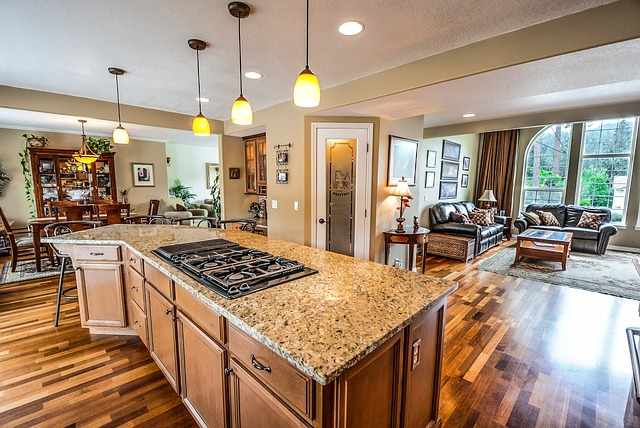
The interior designer and contractor relationship is built on communication. Each professional has a defined role. But those roles overlap constantly. The designer creates the plan. The contractor builds it. When both are aligned, your project runs smoothly.
Most homeowners think of these two roles as separate. They hire a contractor for the build. Then they call a designer for the decor. But that approach creates gaps. Decisions made during construction affect design choices. And design choices affect construction timelines. So the interior designer and contractor need to talk early and often.
According to the American Institute of Architects, integrated project delivery works best when all trades communicate from the start. That principle applies directly to the interior designer and contractor dynamic.
Who Leads the Project?
On most residential projects, the interior designer leads the design vision. The contractor leads the construction execution. Neither one outranks the other. They work in parallel.
The designer sets the direction. They choose materials, finishes, and layouts. The contractor reviews those choices for feasibility. If a wall cannot move, the designer adjusts the plan. If a material needs extra lead time, the contractor flags it early. This back-and-forth is normal. It is how good projects get built.
At Brown Interiors, we step into the lead design role. We bring our contractor relationships with us. That means you do not have to manage two separate conversations.
When Does Coordination Start?
The interior designer and contractor should connect before any work begins. Not after the walls go up. Not after the flooring is ordered. Before.
Early coordination prevents the most expensive mistakes. A designer who knows the construction schedule can order materials on time. A contractor who knows the design plan can rough in electrical in the right spots. Both save you money. Both save you time.
For new construction projects, this coordination starts at the concept phase. For renovations, it starts at the first site visit. Either way, early is always better.
The interior designer and contractor relationship works best when both parties communicate from day one. Early alignment on design plans and construction schedules prevents costly changes later. At Brown Interiors, we build this coordination into every project from the first consultation.
What the Interior Designer Handles on Your Project
The interior designer brings the vision to life. But their job goes far beyond picking paint colors. A professional designer manages a wide range of decisions that directly affect how your space looks and functions.
Space planning is one of the first tasks. The designer maps out how furniture, fixtures, and traffic flow will work together. They create detailed drawings that the contractor uses during construction. These drawings show exact dimensions, outlet placements, and finish locations.
Material selection is another major responsibility. The designer chooses flooring, tile, countertops, cabinetry, and hardware. They build material boards so you can see how everything works together before anything is installed. This step saves enormous time and money. Changes are cheap on paper. They are expensive on a job site.
The designer also manages vendor relationships. They know which suppliers deliver on time. They know which products have long lead times. And they coordinate delivery schedules with the contractor so materials arrive when needed.
Design Plans the Contractor Uses
A professional interior designer produces documents the contractor can actually use. These include CAD drawings, lighting plans, electrical layouts, and finish schedules. Without these documents, contractors make guesses. Guesses cost money.
At Brown Interiors, we produce full CAD drawings for interior design and millwork. We create lighting and electrical plans. We build finish schedules that tell the contractor exactly what goes where. The contractor does not have to interpret anything. They have a clear roadmap.
This level of documentation is what separates a professional interior designer and contractor collaboration from a casual one. It is also what keeps your project on budget.
Furniture and Finish Selection
The designer selects every finish and furnishing with the full space in mind. They think about scale, proportion, light, and texture. They also think about the construction timeline.
Some furniture takes 12 to 16 weeks to arrive. Custom cabinetry can take even longer. The designer orders these items early so they arrive when the contractor is ready to install. This coordination between the interior designer and contractor is what keeps your move-in date realistic.
Brown Interiors has access to over 460 furniture and decor products. We also work with premium vendors for custom window treatments, upholstery, and built-ins. Every selection is made with your contractor’s timeline in mind.
What the Contractor Handles During Construction

The contractor turns the designer’s plans into a physical space. They manage the trades, the schedule, and the build quality. A good contractor reads the designer’s documents carefully. They ask questions early. And they flag problems before they become expensive.
The contractor is responsible for structural work, plumbing rough-ins, electrical rough-ins, and all finish installation. They coordinate subcontractors like electricians, plumbers, tile setters, and painters. They also manage the job site day to day.
When the interior designer and contractor have a strong working relationship, the contractor treats the design documents as binding. They do not substitute materials without asking. They do not move outlets without checking. They follow the plan.
According to the U.S. Bureau of Labor Statistics, construction managers who work closely with design professionals produce projects with fewer change orders and lower final costs. That data supports what experienced designers already know.
How Contractors Read Design Documents
A contractor reads design documents to understand scope. They look at floor plans, elevation drawings, and finish schedules. They use these to bid the job accurately and to sequence the work correctly.
When the interior designer and contractor speak the same language, this process is fast. The contractor knows what the designer expects. The designer knows what the contractor needs. There is no guessing.
At Brown Interiors, we have worked with contractors across the Houston metro for 30 years. We know how to produce documents that contractors can use. And we know how to communicate changes quickly when the project evolves.
Installation and Final Walkthrough
Near the end of a project, the interior designer and contractor do a final walkthrough together. The designer checks that every finish, fixture, and installation matches the design plan. The contractor addresses any items that need correction.
This step is critical. It catches problems before you move in. It also gives the designer a chance to style the space with furniture and accessories once construction is complete.
Brown Interiors handles this final coordination as part of our full-service design process. We do not hand off a design plan and disappear. We stay involved through installation and styling. You get a finished space, not just a finished build.
See how our full design process works from concept through completion.
Ask your interior designer to attend at least two contractor site meetings during construction. One at the rough-in stage and one before finish work begins. These two visits catch 80% of the issues that cause expensive changes. A designer who stays involved protects your budget and your design vision.
How Interior Designer and Contractor Coordination Prevents Costly Mistakes

Mistakes on a construction project are expensive. Moving an outlet after drywall is up costs hundreds of dollars. Reordering tile because the wrong color was installed costs thousands. Delaying a project because materials arrived late costs even more.
The interior designer and contractor relationship exists to prevent these problems. When both professionals are aligned, decisions get made correctly the first time. Materials arrive on schedule. Finishes match the design plan. The project stays on budget.
Research from the National Association of Home Builders shows that change orders are the single biggest driver of residential construction cost overruns. Most change orders happen because design decisions were not made before construction started. A professional interior designer eliminates that problem.
At Brown Interiors, we make all design decisions before the contractor breaks ground. We have the materials selected, the finishes confirmed, and the drawings complete. The contractor has everything they need from day one.
Common Coordination Failures
The most common coordination failure is a late design decision. The contractor is ready to install tile. But the designer has not confirmed the pattern. So the contractor waits. Or worse, they install the wrong pattern.
Another common failure is a material substitution. The contractor cannot find the specified product. So they substitute something similar. But the designer did not approve the substitution. Now the finish does not match the rest of the space.
Both failures come from poor communication between the interior designer and contractor. Both are preventable. And both are things Brown Interiors actively manages on every project.
How Brown Interiors Manages Coordination
Brown Interiors acts as the central point of contact between you and your contractor. We attend site meetings. We review contractor questions. We approve or reject substitutions. We track material deliveries.
You do not have to manage two separate conversations. You talk to us. We talk to the contractor. Everything stays organized.
This is especially important on larger projects like full home renovations or new construction. The number of decisions multiplies fast. Having a professional interior designer manage contractor coordination keeps everything moving in the right direction.
Do not hire a contractor before you have a design plan. Many homeowners do this to save time. But it almost always costs more in the end. The contractor has to stop and wait for design decisions. Or they make decisions without the designer. Either way, you pay for it. Hire your interior designer first. Then bring in the contractor.
Choosing the Right Interior Designer and Contractor Team
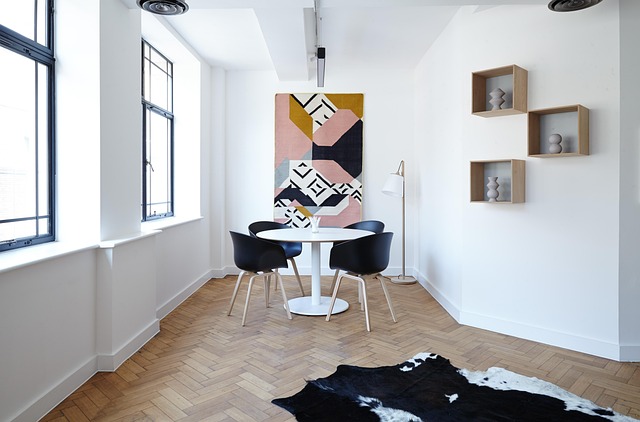
Not every interior designer and contractor pairing works well. Some designers have never worked with contractors before. Some contractors ignore design documents. Choosing the right team matters as much as choosing the right design.
When you evaluate an interior designer, ask about their contractor experience. Ask how many renovation or new construction projects they have managed. Ask if they produce CAD drawings and finish schedules. Ask if they attend site meetings.
When you evaluate a contractor, ask if they have worked with interior designers before. Ask how they handle design changes during construction. Ask about their process for material substitutions.
The best interior designer and contractor teams have worked together before. They have established communication habits. They trust each other’s expertise. And they both focus on delivering the best result for you.
Brown Interiors has built those relationships over 30 years in the Pearland and Houston area. We bring our contractor network to every project. You get a team that already knows how to work together.
Questions to Ask Before You Hire
Before you hire any interior designer and contractor team, ask these questions. They will tell you quickly whether the team is ready for your project.
For the designer: Do you produce construction documents? Have you managed a project of this size before? How do you handle contractor communication? What happens if a material is discontinued?
For the contractor: Have you worked with an interior designer before? How do you handle design changes mid-project? Who approves material substitutions? How do you communicate schedule changes?
If either professional hesitates on these questions, that is a signal. A strong interior designer and contractor team answers these questions confidently. They have systems in place. They have done this before.
Why Experience in Both Roles Matters
An interior designer who has never worked on a construction site makes different decisions than one who has. They may specify materials that are hard to install. They may not understand lead times. They may not know how to read a construction schedule.
Similarly, a contractor who has never worked with a designer may not understand why finish details matter. They may not see the difference between two similar tiles. They may not understand why a specific light fixture placement is important.
Experience on both sides makes the interior designer and contractor relationship work. Brown Interiors has that experience. We have managed renovations, new construction, and commercial projects across the Houston metro. We know construction. And we know design. That combination is what you need.
Explore our renovation and remodeling work to see how we bring both together.
If you are planning a renovation or new construction project, the interior designer and contractor relationship is not optional. It is the foundation of a successful project. A designer who coordinates with your contractor protects your budget, your timeline, and your design vision. You get a space that looks exactly the way you imagined it. And you avoid the expensive surprises that come from poor coordination. Brown Interiors manages this process for you. We handle the contractor communication so you do not have to. Your job is to enjoy the result.
The interior designer and contractor relationship is one of the most important factors in any renovation or new construction project. When the designer and contractor work together from the start, projects finish on time, on budget, and on vision. When they do not, you pay for it in change orders, delays, and design compromises.
Brown Interiors has spent 30 years building the systems and relationships that make interior designer and contractor coordination work. We produce the documents contractors need. We attend the site meetings that matter. And we manage every decision from concept through installation. Ready to start your project the right way? Contact our design team and let us handle the full contractor coordination for your renovation or new construction project.
“Change orders are the single largest driver of residential construction cost overruns. Projects where design decisions are finalized before construction begins consistently come in closer to budget and on schedule. The interior designer and contractor relationship, when structured correctly, is the most effective tool homeowners have for controlling project costs and outcomes.”
An interior designer and contractor working together from day one is the single best way to protect your renovation budget. Design decisions made before construction starts eliminate the change orders that drive costs up. Brown Interiors manages this coordination for every client across Pearland, Houston, and the surrounding area.
Frequently Asked Questions
Do interior designers work directly with contractors?
Yes. Interior designers work directly with contractors on renovation and new construction projects. The designer provides drawings, finish schedules, and material selections. The contractor uses these documents to build the space. Strong interior designer and contractor communication keeps projects on budget and on schedule.
Who should I hire first, an interior designer or a contractor?
Hire your interior designer first. The designer creates the plan the contractor needs to bid and build accurately. When you hire a contractor before the design is complete, you risk change orders and cost overruns. An interior designer and contractor team works best when the designer leads from the start.
What does an interior designer do during construction?
During construction, the interior designer attends site meetings, reviews contractor questions, approves material substitutions, and tracks material deliveries. The designer makes sure the contractor follows the design plan. This active involvement is what keeps the interior designer and contractor relationship productive throughout the build.
Can an interior designer help me find a contractor?
Yes. Many interior designers have established contractor relationships. Brown Interiors brings a trusted contractor network to every project. This means your interior designer and contractor team already knows how to work together. You get a smoother project and fewer surprises from start to finish.
How does an interior designer and contractor relationship save money?
A coordinated interior designer and contractor team reduces change orders. Change orders are the biggest driver of construction cost overruns. When the designer finalizes all decisions before construction starts, the contractor builds from a complete plan. Fewer surprises mean lower final costs and a faster project completion.
Step-by-Step Process
Step-by-Step: Interior Designer and Contractor Coordination Process
1. Schedule a design consultation with your interior designer
2. Define project scope, budget, and timeline with your designer
3. Designer produces space plans, CAD drawings, and finish schedules
4. Designer and contractor meet to review construction documents
5. Contractor bids the project using the designer’s complete plan
6. Designer orders long-lead materials before construction starts
7. Designer attends rough-in site meeting to confirm layout
8. Designer reviews finish installations against the design plan
9. Designer and contractor complete a final walkthrough together
10. Designer styles the space with furniture and accessories
Quick Reference: What Is an Interior Designer and Contractor Relationship?
An interior designer and contractor relationship is a professional working partnership. The interior designer creates the design vision. The contractor builds it. Together, they manage materials, timelines, and installations. The designer produces drawings and finish schedules. The contractor uses these to execute the build. Good coordination between the interior designer and contractor keeps projects on budget and on schedule. It also prevents the change orders that drive costs up. This relationship is standard on renovation and new construction projects. It works best when both professionals communicate from the very start of the project.
Additional Resources
• What We Do: Brown Interiors Design Process — Learn how Brown Interiors manages every phase of your project from concept through installation and styling.
• Interior Design Inspiration and Project Ideas — Browse real project examples and design insights from the Brown Interiors team in Pearland, TX.
• The Tree House Project — See a full interior design and contractor coordination project completed by Brown Interiors from start to finish.