Your living room decor should tell a story. Not a catalog story. Your story. So many living rooms feel staged but not lived in. They look fine, but nothing feels personal. The furniture matches too perfectly. Every piece came from the same store on the same day. And somehow, the room feels empty even when it’s full.
That’s the problem with decorating without intention. Good interior design and home decor isn’t about buying a matching set. It’s about layering pieces that mean something. It’s about mixing old and new, soft and hard, bold and quiet. At Brown Interiors, we’ve spent 30 years helping Houston-area homeowners build living rooms that feel collected over time. This guide shows you exactly how to do that. You’ll learn how to layer textures, mix styles, and choose living room decor that reflects who you are.
1. What Collected Living Room Decor Really Means
2. How to Layer Textures in Your Living Room
3. Mixing Styles Without Losing Cohesion
4. Choosing Living Room Decor That Tells Your Story
5. Common Living Room Decor Mistakes to Avoid
6. Step-by-Step Living Room Decor Process
7. FAQ: Living Room Decor Questions Answered
What Collected Living Room Decor Really Means
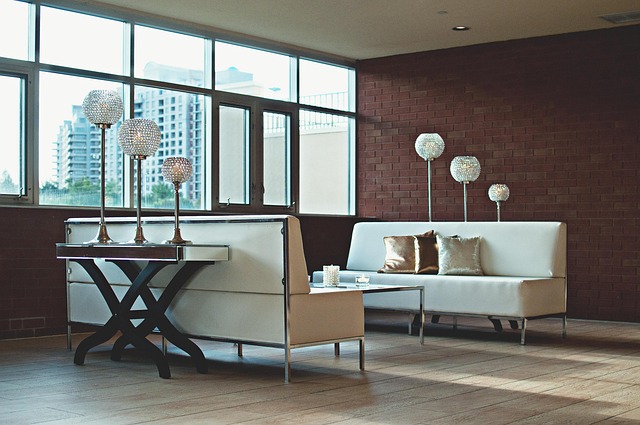
Living room decor that feels collected doesn’t happen by accident. It happens by design. The word “collected” means your room looks like it was built over time. Each piece has a reason to be there. Nothing feels like filler. Nothing feels forced.
This is different from a room that’s just decorated. A decorated room can look nice. A collected room feels alive. It has depth. It has personality. Your living room decor should do both.
So what makes a room feel collected? Three things: variety with purpose, a clear visual thread, and pieces that carry meaning. You don’t need expensive furniture. You need intentional choices. According to the American Society of Interior Designers, rooms that mix periods and styles consistently score higher in homeowner satisfaction than rooms with a single uniform style.
Variety With Purpose in Decor
Variety in living room decor means you have different shapes, sizes, and origins. A vintage lamp next to a modern sofa. A handmade ceramic bowl on a sleek shelf. These contrasts create visual interest. But variety without purpose just looks messy.
Purpose means every piece earns its place. Ask yourself: why is this here? If you can’t answer that, the piece probably doesn’t belong. Your living room decor should pass that test for every single item in the room.
Start with your largest pieces first. Your sofa, your rug, your main lighting fixture. These set the tone. Then layer in smaller pieces that respond to those anchors. That’s how collected rooms are built.
The Visual Thread That Ties Decor Together
A visual thread is what keeps your living room decor from looking chaotic. It’s a repeated element that runs through the whole room. It could be a color. It could be a material. It could be a shape.
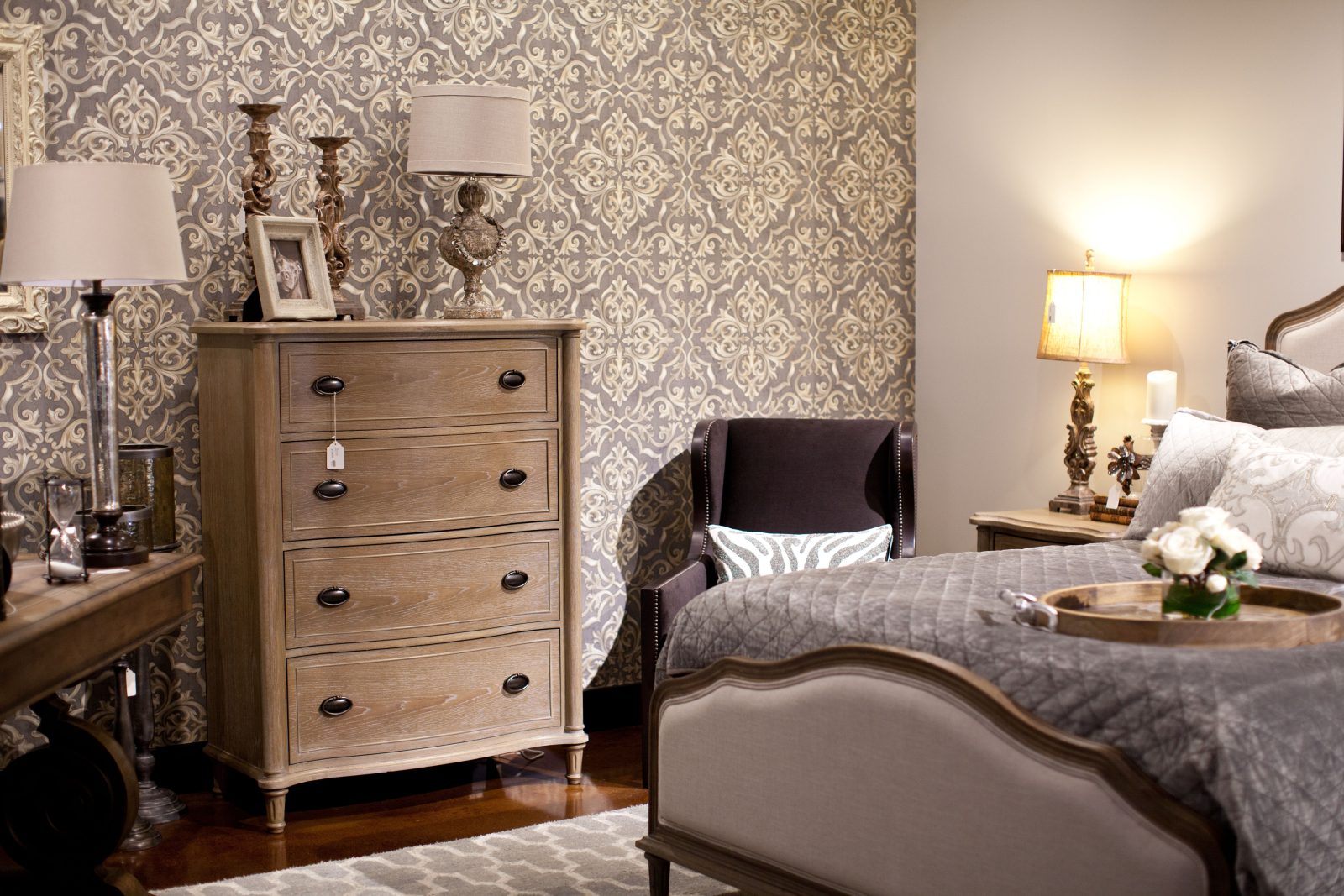
For example, you might use warm brass in your lamp, your picture frames, and your cabinet hardware. The pieces are all different. But the brass ties them together. That’s a visual thread. It gives your living room decor cohesion without making everything match.
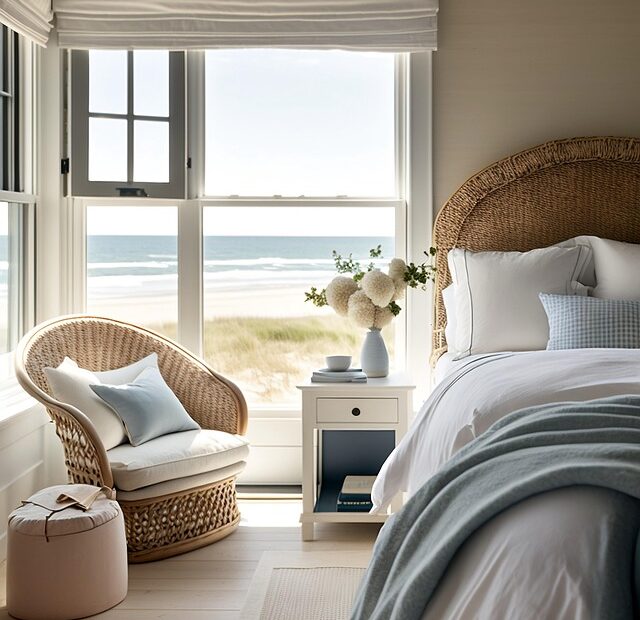
You can also use texture as your thread. Linen, rattan, and jute all feel natural and organic. Mix them across different pieces and your room will feel unified. The Smithsonian Design Museum notes that successful interior design relies on repeating motifs to create visual harmony across a space.
A collected living room decor style isn’t about spending more. It’s about choosing with intention. Every piece should have a reason. A visual thread should run through the room. Variety creates interest, but purpose creates cohesion. Start with your anchor pieces and build from there.
How to Layer Textures in Your Living Room Decor
Texture is the secret weapon of great living room decor. Most people think about color first. But texture is what makes a room feel warm, rich, and real. A room with no texture feels flat. A room with layered textures feels inviting.
Texture in living room decor comes from fabric, material, and finish. Think velvet cushions on a linen sofa. A chunky knit throw over a leather chair. A rough stone vase on a smooth wood shelf. These combinations create depth. They give your eyes something to move through.
Layering textures also helps your living room decor work in different seasons. Heavy woven throws feel cozy in winter. Light cotton slipcovers feel fresh in summer. Swap them out and your room transforms without a full redesign. That’s smart decorating.
Soft Textures That Add Warmth
Soft textures are the foundation of a cozy living room decor scheme. These include fabric, fiber, and anything you want to touch. Velvet, linen, wool, cotton, and faux fur all fall into this category.
Start with your sofa fabric. Linen is casual and breathable. Velvet is rich and dramatic. Performance fabric is practical and durable. Choose based on how you actually live. Then add cushions in a different soft texture. If your sofa is linen, try velvet cushions. The contrast makes both feel more intentional.
Your rug is also a major soft texture in your living room decor. A high-pile wool rug adds warmth and softness underfoot. A flat-weave cotton rug feels more casual and easy to clean. Layer a smaller rug on top of a larger one for extra depth. This trick is used in some of our favorite Brown Interiors design projects to add dimension without adding clutter.
Hard Textures That Ground the Room
Hard textures balance the softness in your living room decor. Wood, stone, metal, glass, and ceramic all fall here. These materials add structure and weight. They keep the room from feeling too soft or too precious.
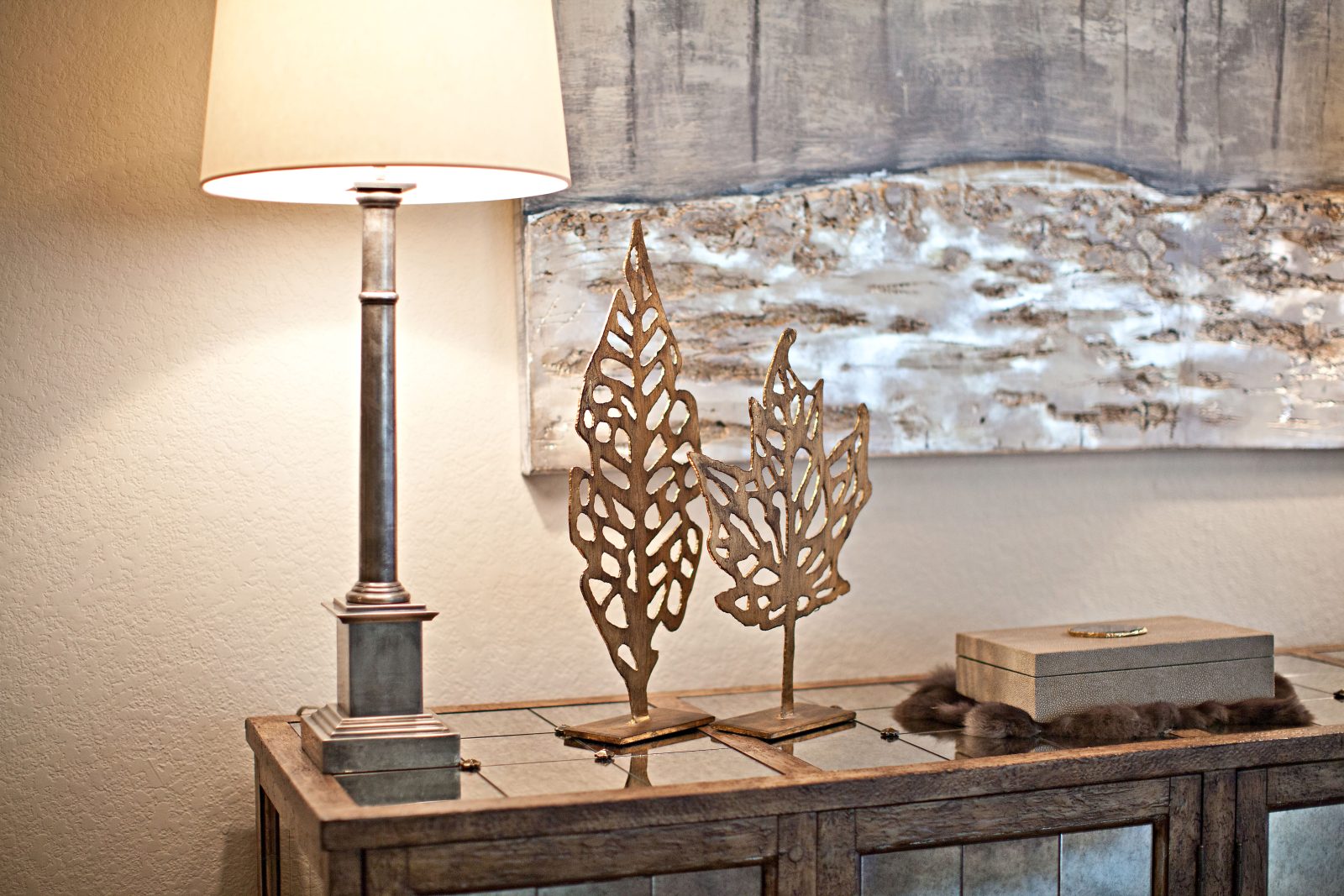
A reclaimed wood coffee table adds warmth and history. A marble tray on a shelf adds elegance. A hammered metal lamp adds artisan character. Mix these hard textures with your soft ones. The contrast is what makes your living room decor feel layered and real.
Don’t forget your walls and floors. Exposed brick, plaster walls, or wood paneling are hard textures too. If your walls are smooth and plain, add texture through art, mirrors, or a gallery wall. Every surface in your living room decor is an opportunity.
Mixing Styles in Living Room Decor Without Chaos
Mixing styles is where living room decor gets exciting. And where most people get nervous. They worry the room will look confused. But mixing styles is exactly what makes a room feel collected. The key is knowing the rules before you break them.
Every great mixed-style living room decor has one dominant style. Think of it as the foundation. Then you layer in one or two secondary styles. The dominant style sets the tone. The secondary styles add personality and surprise.
For example, your dominant style might be mid-century modern. Clean lines, tapered legs, warm wood tones. Then you layer in some bohemian elements. A macrame wall hanging. A woven basket. A vintage kilim rug. The mid-century pieces anchor the room. The bohemian pieces make it feel personal and collected.
Style Combinations That Work Well
Some style combinations work better than others in living room decor. Here are three that consistently create beautiful, collected rooms.
First: contemporary and classical. A sleek modern sofa with ornate antique side tables. This pairing works because the contrast is intentional. The modern piece feels fresh. The antique piece feels grounded. Together, your living room decor feels both current and timeless.
Second: mid-century modern and bohemian. This is one of the most popular combinations right now. The clean lines of mid-century decor balance the organic looseness of bohemian style. Your living room decor gets structure and soul at the same time.
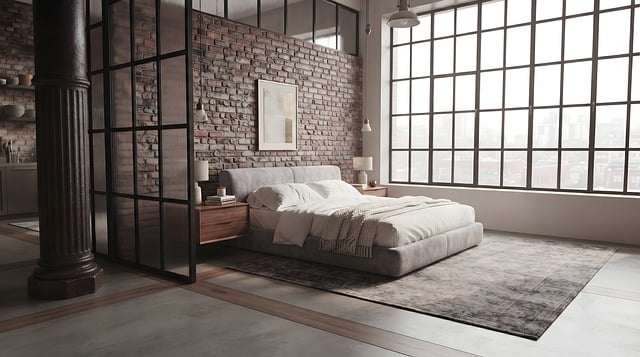
Third: industrial and warm traditional. Exposed metal and brick paired with soft wool rugs and warm wood furniture. The industrial elements feel raw. The traditional pieces feel cozy. Your living room decor ends up feeling both edgy and inviting.
How to Keep Mixed Styles Cohesive
Cohesion in mixed-style living room decor comes from three things: color, scale, and repetition. Get these right and your room will feel intentional, not accidental.
Color is the easiest tool. Pick a palette of three to five colors. Use them across all your styles. Your mid-century sofa and your bohemian rug should share at least one color. That shared color is what tells the eye these pieces belong together.
Scale matters too. Mix large and small pieces, but keep the proportions balanced. A huge sofa needs a substantial coffee table. A delicate side table needs a lamp with visual weight. Your living room decor should feel balanced even when it’s eclectic.
Repetition ties everything together. Repeat a shape, a material, or a color at least three times in your living room decor. Three brass accents. Three pieces with curved edges. Three items in the same shade of green. Repetition creates rhythm. Rhythm creates cohesion.
Before buying any new piece for your living room decor, take a photo of your current room. Hold the photo next to the item you’re considering. Ask: does this feel like it belongs in that photo? If yes, it’s probably a good fit. If no, keep looking. This simple test saves you from costly decorating mistakes.
Choosing Living Room Decor That Tells Your Story
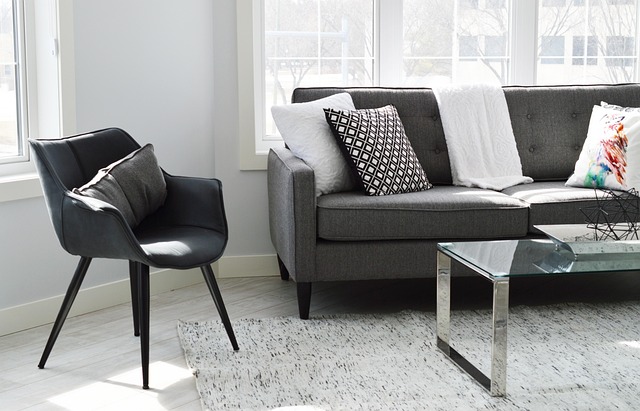
The best living room decor doesn’t come from a single store. It comes from your life. Travel souvenirs. Family heirlooms. Art you bought from a local artist. Books you’ve actually read. These personal pieces are what make a room feel collected rather than decorated.
But personal doesn’t mean cluttered. The goal is to curate, not accumulate. Choose the pieces that mean the most. Display them with intention. Give them space to breathe. Your living room decor should feel like a highlight reel of your life, not a storage unit.
Personal pieces also give your room a sense of history. A room that looks like it was assembled in one afternoon feels shallow. A room with a vintage lamp from your grandmother, a painting from a trip to Mexico, and a handmade bowl from a local market feels rich with story. That’s the goal of collected living room decor.
Art and Objects That Carry Meaning
Art is one of the most powerful tools in living room decor. It sets the emotional tone of the room. It shows what you care about. And it’s one of the easiest ways to add color, texture, and personality all at once.
Don’t default to generic prints. Look for art that actually moves you. Local artists, vintage markets, and even your own photography are all great sources. The National Endowment for the Arts has found that living with art you love has measurable positive effects on wellbeing. That’s reason enough to be selective.
Objects matter too. A stack of meaningful books. A ceramic piece made by a friend. A sculpture from a market you visited. These objects add dimension to your living room decor. They give guests something to ask about. And they remind you every day of the experiences that shaped you.
Furniture That Feels Personal and Intentional
Furniture is the backbone of your living room decor. Choose pieces that feel personal, not just practical. That doesn’t mean every piece needs a story. But your main pieces should feel like you chose them, not like they chose you.
Consider mixing new furniture with vintage or antique finds. A new sofa with an antique side table. A vintage dresser repurposed as a media console. These combinations give your living room decor a layered, collected feel that new-only rooms can’t achieve.
Also think about scale and proportion. A room with all low furniture feels flat. A room with all tall furniture feels cramped. Mix heights in your living room decor. A tall bookcase next to a low sofa. A floor lamp next to a low side table. Height variation creates visual movement and makes the room feel more dynamic. Browse the Brown Interiors furniture collection for pieces that blend beautifully with both new and vintage finds.
Don’t buy everything from one store in one trip. This is the fastest way to make your living room decor look staged instead of collected. Spread your purchases over time. Shop different sources. Mix price points. A $30 thrift store find next to a $500 sofa can look incredible when chosen with intention.
Living Room Decor Mistakes That Kill the Collected Look
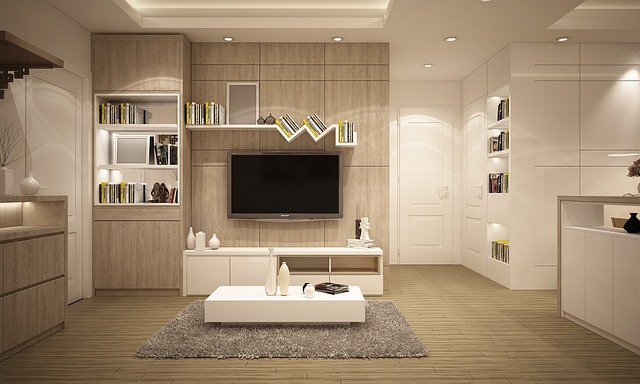
Even with the best intentions, living room decor can go wrong. Some mistakes are easy to spot. Others are subtle but just as damaging to the collected feel you’re going for. Knowing what to avoid is just as important as knowing what to do.
The most common mistake is over-matching. When everything in your living room decor matches perfectly, the room looks like a showroom floor. It’s too coordinated. It has no tension, no surprise, no personality. Collected rooms have a little bit of controlled chaos. Not everything matches. But everything belongs.
Another common mistake is ignoring scale. A tiny rug under a large sofa looks like an afterthought. A massive painting in a small room feels overwhelming. Your living room decor needs pieces that are proportional to each other and to the room itself. Get the scale right and everything else falls into place.
Lighting Mistakes in Living Room Decor
Lighting is one of the most overlooked elements of living room decor. Most people rely on one overhead light. That’s a mistake. One overhead light creates flat, harsh illumination. It makes even beautiful living room decor look dull.
Instead, layer your lighting. Use three types: ambient, task, and accent. Ambient light fills the room. Task light helps you read or work. Accent light highlights your art, your plants, or your architectural features. Together, these three types of light make your living room decor feel warm and dimensional.
Also pay attention to bulb temperature. Warm white bulbs (2700K-3000K) make living room decor feel cozy and inviting. Cool white bulbs feel clinical and harsh. Swap your bulbs if needed. It’s one of the cheapest and most impactful changes you can make to your living room decor.
Clutter vs. Curated Collections in Decor
There’s a fine line between a curated collection and clutter in living room decor. Clutter happens when you display too many things without editing. Every surface is full. Nothing stands out. The eye doesn’t know where to rest.
A curated collection is different. You choose the best pieces. You give them space. You arrange them with intention. Three objects on a shelf can feel more powerful than ten. Your living room decor should breathe. White space is not wasted space. It’s what makes your chosen pieces stand out.
Edit ruthlessly. If a piece doesn’t add to the story of your room, remove it. Store it, donate it, or sell it. Your living room decor will feel more collected and more intentional with fewer, better-chosen pieces. Less really is more when it comes to the curated look. For more inspiration on curated spaces, explore the Brown Interiors blog for real project examples and styling ideas.
Avoiding these living room decor mistakes means your room will feel more intentional from day one. You don’t need to redo everything at once. Start by editing what you have. Remove pieces that don’t belong. Fix your lighting. Check your rug size. These small changes make a big difference in how collected and curated your living room decor feels. The goal is a room that looks like it was built with care over time, not assembled in a single afternoon.
Great living room decor is never accidental. It’s built with intention, one piece at a time. You layer textures to create warmth. You mix styles to create personality. You choose pieces that carry meaning. And you edit ruthlessly so the best pieces can shine. That’s how you create living room decor that feels collected, curated, and completely yours.
You don’t have to figure this out alone. Brown Interiors has helped Houston-area homeowners create beautiful, personal living room decor for 30 years. We know how to take your ideas and turn them into a room that feels like you. Style your living room with intention — book a room styling consultation with Brown Interiors today and create a space that reflects your personality and tells your story.
“The most enduring interiors are those that resist the urge to be complete. They leave room for the occupant’s life to enter. A room that looks finished on day one has nowhere to grow. But a room built around a clear visual language can absorb new pieces over decades and still feel coherent. That’s the difference between decorating and designing.”
Living room decor that feels collected is built on three principles: intentional variety, a clear visual thread, and personal meaning. Layer textures, mix styles with purpose, and choose pieces that tell your story. Edit what doesn’t belong. Give your best pieces space to breathe. The result is a living room that feels rich, personal, and completely yours.
Frequently Asked Questions
How do I start updating my living room decor on a budget?
Start with what you already have. Edit your living room decor first. Remove pieces that don’t belong. Then add texture with cushions or a throw. Swap your light bulbs to warm white. Shop thrift stores for unique decor pieces. Small, intentional changes to your living room decor make a big impact without a big budget.
What living room decor styles mix well together?
Mid-century modern and bohemian mix beautifully in living room decor. So do contemporary and classical styles. Industrial and warm traditional also work well. The key is one dominant style with one or two secondary styles. Your living room decor stays cohesive when you repeat colors and materials across all the styles you mix.
How many textures should I use in living room decor?
Aim for four to six textures in your living room decor. Include both soft textures like linen, velvet, and wool, and hard textures like wood, metal, and stone. Too few textures make living room decor feel flat. Too many make it feel chaotic. Four to six gives your room depth without overwhelming the eye.
What is the biggest living room decor mistake people make?
Over-matching is the biggest living room decor mistake. When all your decor comes from one store or one collection, the room looks staged. Collected living room decor mixes sources, periods, and price points. It has controlled variety. Another major mistake is using a rug that’s too small. Scale matters in every living room decor decision.
How do I make my living room decor feel more personal?
Add pieces that carry personal meaning to your living room decor. Travel souvenirs, family heirlooms, local art, and books you love all add personality. Display them with intention and give them space. Your living room decor should feel like a curated highlight reel of your life, not a generic showroom. Edit ruthlessly and let the best pieces shine.
Step-by-Step Process
Step-by-Step Living Room Decor: Build a Collected Look
1. Edit your current living room decor — remove anything that doesn’t belong
2. Define your dominant style for the living room decor foundation
3. Choose your color palette — three to five colors maximum
4. Select your anchor furniture pieces with scale in mind
5. Layer soft textures through cushions, throws, and rugs
6. Add hard textures with wood, metal, stone, or ceramic pieces
7. Introduce one or two secondary styles through accent decor
8. Establish your visual thread — repeat a color, material, or shape three times
9. Layer your lighting with ambient, task, and accent sources
10. Add personal pieces — art, objects, and heirlooms that tell your story
Quick Reference: What Is Living Room Decor?
Living room decor is the art of arranging furniture, textiles, lighting, art, and objects to create a functional and beautiful space. Good living room decor does more than look nice. It reflects the personality of the people who live there. So it balances style with comfort. It mixes textures, colors, and materials with intention. And it tells a story through the pieces chosen. Living room decor that feels collected uses variety with purpose. It has a clear visual thread. And it includes personal pieces that carry meaning. The result is a room that feels lived in, curated, and completely yours.
Additional Resources
• Interior Design Services at Brown Interiors — Explore how Brown Interiors approaches full-service residential design, from concept to installation, for every room in your home.
• Brown Interiors Design Blog — Browse real project photos, styling tips, and design ideas to inspire your next living room decor update.
• The Tree House Project — See a real Brown Interiors project that demonstrates how collected, layered living room decor comes together in a complete home design.