Your home office interior design shapes how well you work every day. A poorly designed space drains your focus. But a well-planned office boosts your energy and output. So getting your home office interior design right is not just about looks. It is about how you feel and perform at work.
At Brown Interiors, we have helped Houston-area homeowners build beautiful, functional workspaces for 30 years. Our team specializes in professional home office interior design and full-service decorating that fits your style and work routine. Home office interior design covers everything from furniture layout to lighting to storage. Each choice you make affects your focus, comfort, and daily output. This guide gives you a clear, step-by-step plan. You will learn how to design a home office that works as hard as you do.
1. What Home Office Interior Design Really Means
2. Choosing the Right Layout for Your Home Office
3. Lighting Tips for Home Office Interior Design
4. Storage and Organization in Your Home Office
5. Style and Decor for a Professional Home Office
What Home Office Interior Design Really Means
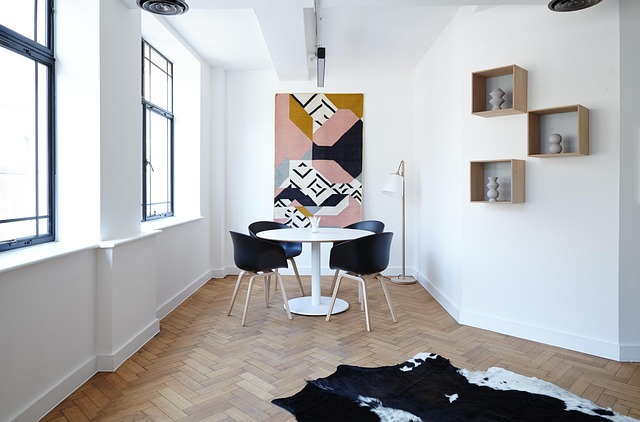
Home office interior design is more than picking a desk. It is a full plan for how your workspace looks, feels, and functions. Good home office interior design balances style with purpose. Every element serves your work routine.
Your office design affects your mood and focus. Studies from Harvard T.H. Chan School of Public Health show that workspace quality directly impacts worker performance. So your home office interior design is a real investment in your results.
Home office design covers your desk, chair, storage, lighting, and decor. Each piece plays a role. Together, they create a space that supports deep work and daily tasks. A great home office interior design also reflects your personal style. It should feel like yours.
Core Elements of Office Design
Every home office interior design starts with four core elements. First is your desk and chair setup. These are your main tools. They must fit your body and your work style. Second is your storage plan. Clutter kills focus. So smart storage is key in any office design.
Third is your lighting. Poor lighting causes eye strain and fatigue. Good lighting keeps you sharp all day. Fourth is your decor and style. Your office should feel calm and professional. It should also feel like a space you want to spend time in.
These four elements work together. Skip one and your home office interior design will feel off. Get all four right and your workspace will truly support you.
Why Your Workspace Style Matters
Your workspace style sets the tone for your workday. A cluttered, dull office lowers your motivation. But a styled, organized office lifts your energy. Home office interior design gives you control over that environment.
Style also signals professionalism. If you take video calls, your background matters. A well-designed home office shows clients and colleagues you are serious. It builds trust and credibility.
Plus, a space you love makes you want to work. That is the real power of home office interior design. When your office feels good, you feel good. And when you feel good, you do your best work.
Home office interior design is a full system. It covers your desk, chair, storage, lighting, and decor. Each element supports your focus and work routine. Get all four core elements right and your home office will work as hard as you do every single day.
Choosing the Right Layout for Your Home Office
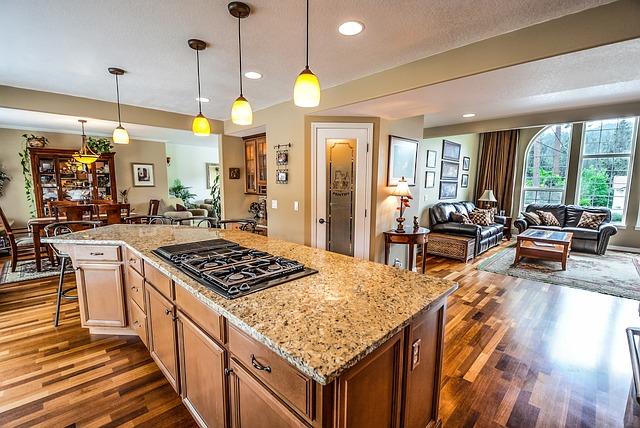
Your home office layout is the foundation of your design. A smart layout makes your office feel bigger and work better. Home office interior design always starts with space planning. You need to know how you move and work before you place any furniture.
Think about your daily tasks. Do you need two monitors? Do you take a lot of calls? Do you meet with clients? Your answers shape your home office layout. A good office design fits your specific work style.
Also think about traffic flow. You should be able to move freely in your office. Your desk should face away from distractions. But it should also give you a clear view of the door. These small details make a big difference in your home office interior design.
Best Desk Placement Options
Desk placement is one of the most important choices in home office interior design. The most popular option is placing your desk against a wall. This saves space and gives you a clear work zone. But it can feel closed off.
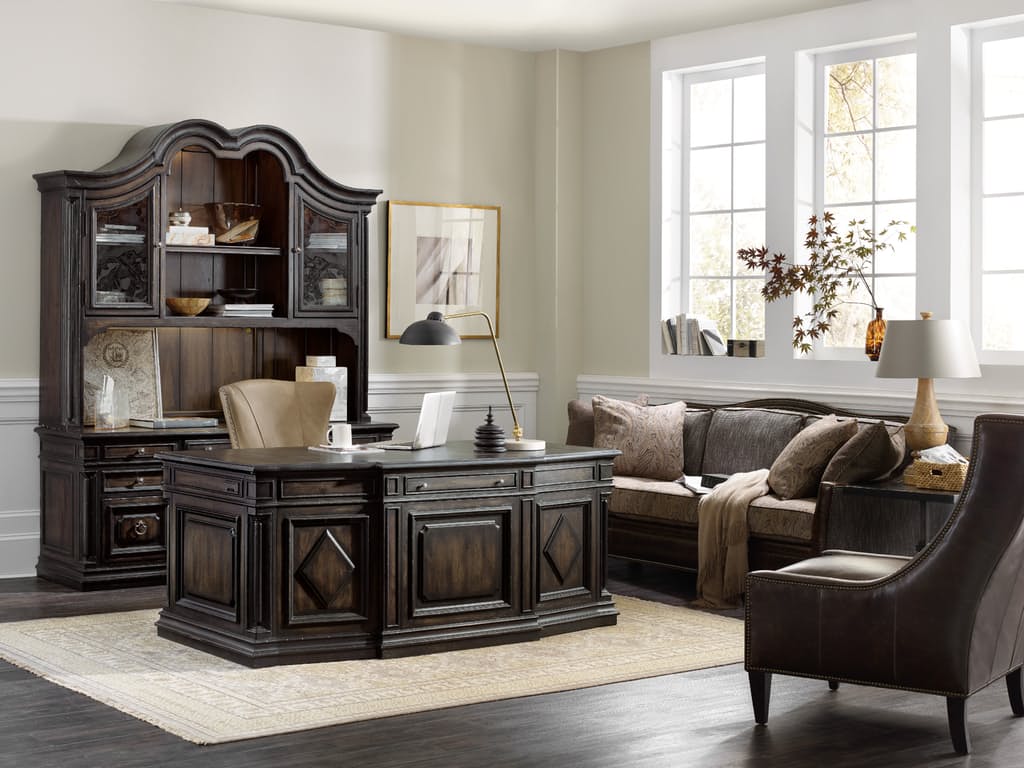
A better option for many people is placing the desk in the center of the room. This gives you a commanding view. It also makes your office feel more professional. For home office interior design, this layout works well for client-facing work.
Another great option is placing your desk near a window. Natural light boosts your mood and focus. Just make sure the light does not create glare on your screen. Use sheer curtains or blinds to control the light in your home office design.
Space Planning for Small Home Offices
Small spaces need smart home office interior design. Every inch counts. Start by choosing a compact desk that fits your work needs. A corner desk is a great choice for small offices. It uses corner space that often goes to waste.
Next, think vertical. Wall shelves and tall bookcases free up floor space. They also add storage without making your office feel crowded. This is a key trick in home office interior design for small rooms.
Also, keep your color palette light. Light colors make small spaces feel open and airy. White, cream, and soft gray work well in a small home office. Add one or two accent colors to keep the space from feeling flat. You can explore more design ideas on the Brown Interiors design blog for small and large office spaces alike.
Lighting Tips for Home Office Interior Design
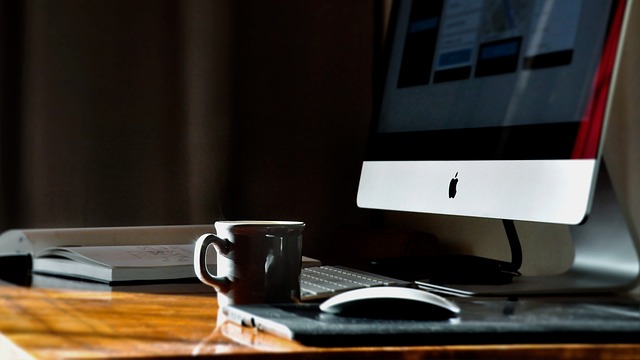
Lighting is one of the most overlooked parts of home office interior design. But it is one of the most important. Bad lighting causes headaches, eye strain, and fatigue. Good lighting keeps you focused and energized all day long.
Your home office needs three types of light. First is ambient light. This is your main room light. It sets the overall brightness of your office. Second is task lighting. This is your desk lamp. It focuses light where you need it most. Third is accent lighting. This adds depth and style to your home office interior design.
The U.S. Department of Energy recommends LED lighting for home offices. LEDs are bright, energy-efficient, and long-lasting. They also come in a range of color temperatures. Cooler light (5000K) boosts focus. Warmer light (3000K) creates a relaxed feel. Choose based on your work style and home office design goals.
Natural Light in Your Home Office
Natural light is the best light for any home office interior design. It reduces eye strain and boosts your mood. Position your desk to get as much natural light as possible. But avoid direct sunlight on your screen. It creates glare and makes it hard to see.
Use window treatments to control natural light. Sheer curtains let light in while reducing glare. Adjustable blinds give you full control. For home office interior design, Hunter Douglas blinds are a top choice. They offer style and function in one.
If your office has no windows, use full-spectrum bulbs. These mimic natural light. They are a great fix for windowless home offices. Your office design should always prioritize good light, natural or artificial.
Task Lighting and Desk Lamps
Task lighting is a must in home office interior design. Your desk lamp should be bright enough to read by. But it should not be so bright that it creates harsh shadows. An adjustable arm lamp gives you the most control.
Place your desk lamp on the opposite side from your writing hand. If you are right-handed, place it on the left. This prevents shadows from falling on your work. It is a small detail that makes a big difference in your home office design.
Also, consider a lamp with a dimmer switch. This lets you adjust the light level throughout the day. In the morning, bright light helps you wake up. In the afternoon, softer light reduces fatigue. Smart lighting is a key part of great home office interior design.
Layer your lighting for the best home office interior design results. Use ambient light for overall brightness, task light for your desk work, and accent light for style. This three-layer approach prevents eye strain and makes your home office look polished and professional all day long.
Storage and Organization in Your Home Office Design
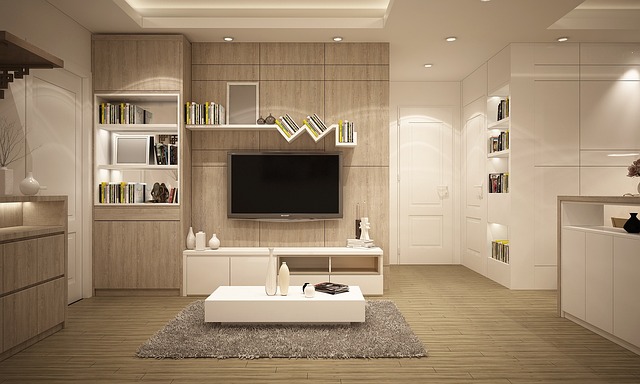
Storage is the backbone of any great home office interior design. A cluttered desk kills your focus. But smart storage keeps your office clean and your mind clear. Good home office design gives everything a place.
Start by listing what you need to store. Papers, files, books, tech gear, and supplies all need a home. Then plan your storage around those needs. Built-in shelves are a top choice in home office interior design. They look clean and hold a lot.
Also think about your daily workflow. Items you use every day should be within arm’s reach. Items you use less often can go in closed storage. This simple system keeps your home office organized and efficient. According to the American Psychological Association, a tidy workspace reduces stress and improves decision-making. So good storage is not just about looks. It is about your mental health too.
Built-In Shelves and Custom Storage
Built-in shelves are a hallmark of professional home office interior design. They use wall space efficiently. They also look polished and intentional. Custom built-ins can be designed to fit your exact space and storage needs.
For home office design, consider a built-in desk with overhead shelves. This creates a full work wall. It gives you plenty of storage without taking up floor space. Add cabinet doors to hide clutter and keep your office looking clean.
Custom storage also adds value to your home. It is a smart investment in your home office interior design. Brown Interiors offers remodeling and renovation services that include custom built-ins. Our team can design storage that fits your space perfectly. Learn more about our full design and renovation services to see what is possible for your home office.
Desk Organization and Cable Management
A clean desk is a productive desk. Home office interior design pays close attention to desk organization. Start with a desk organizer for your pens, notes, and small items. Use trays and bins to group similar items together.
Cable management is also key in modern home office design. Tangled cables look messy and can be a safety hazard. Use cable clips, sleeves, or a cable box to keep cords tidy. Run cables along the back of your desk or through a grommet hole.
Also, go paperless where you can. Digital files take up no physical space. A scanner and cloud storage system can replace most paper files. This keeps your home office interior design clean and modern. Less paper means less clutter and more focus.
Do not skip storage planning in your home office interior design. Many people buy a desk and chair first, then realize they have no place for their files and supplies. Always plan your storage before you buy any furniture. A storage-first approach keeps your home office organized from day one.
Style and Decor for a Professional Home Office
Style is what makes your home office interior design truly yours. A well-styled office feels inspiring. It reflects your personality while staying professional. Home office decor should balance beauty with function.
Start with a color palette. Color has a strong effect on mood and focus. Blue and green tones promote calm and concentration. Warm neutrals like beige and cream feel welcoming. Bold accents add energy without overwhelming the space. Your home office interior design color choices set the tone for your entire workday.
Next, add texture and layers. A rug, throw pillow, or curtain adds warmth to your office. These soft elements make your home office feel less like a sterile workspace. They make it feel like a room you actually want to be in. Good home office interior design always includes these finishing touches.
Furniture Styles for Your Home Office
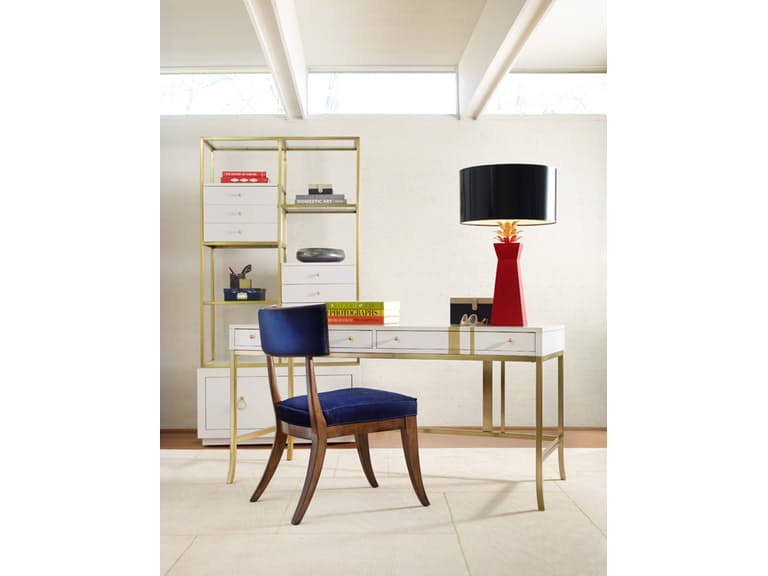
Your furniture style defines your home office interior design. Three popular styles work well for home offices. First is contemporary. Clean lines, neutral colors, and minimal decor define this look. It feels modern and professional. Second is mid-century modern. This style uses warm wood tones and organic shapes. It feels stylish and timeless.
Third is classical. Rich wood finishes, detailed molding, and traditional furniture define this look. It feels formal and established. Brown Interiors specializes in all three styles. Our team can help you find the right look for your home office interior design.
Whatever style you choose, make sure your furniture is functional. Your desk should have enough surface area. Your chair should support your posture. Style and function must work together in great home office design.
Art, Plants, and Personal Touches
Art and plants bring life to your home office interior design. A piece of art on the wall adds color and personality. Choose art that inspires you. It should make you feel motivated when you look at it. Avoid art that is too busy or distracting.
Plants are a powerful tool in home office design. They clean the air and reduce stress. Studies show that plants in a workspace boost productivity by up to 15%. A small potted plant on your desk or a larger floor plant in the corner adds a natural element to your office.
Personal touches matter too. A family photo, a meaningful object, or a favorite book makes your home office feel like yours. But keep personal items minimal. Too many personal items can make your office feel cluttered. Balance is key in home office interior design.
Your home office interior design directly affects your daily work life. A well-designed office helps you focus, stay organized, and feel professional. It also makes your workday more enjoyable. When your office looks good and functions well, you bring your best self to every task. Home office interior design is not a luxury. It is a tool for your success. Investing in your workspace is investing in your career and your well-being. Start with the basics and build from there. Every improvement you make to your home office design pays off in better focus and better results.
Great home office interior design changes how you work. It gives you a space that supports your focus, your storage needs, and your personal style. From layout to lighting to decor, every choice in your home office interior design matters. Start with a clear plan. Choose furniture that fits your work style. Add smart storage and great lighting. Then finish with decor that makes the space feel like yours.
Brown Interiors has helped Houston-area homeowners create beautiful, functional home offices for 30 years. Our award-winning team is ready to help you design your ideal workspace. Visit our interior design and furniture showroom to see what is possible. Then schedule a home office design consultation with Brown Interiors to create your ideal workspace. Call us at 281-412-5305 or email customerservice@browninteriors.com. Your best work starts with the right home office interior design.
Workspace design has a measurable impact on employee performance and well-being. Offices that prioritize natural light, ergonomic furniture, and organized storage consistently show higher productivity and lower stress levels. A thoughtfully designed home office interior design plan is not just an aesthetic choice. It is a strategic investment in how well you work every single day.
Home office interior design is a complete system. It covers layout, lighting, storage, and style. Each element supports your focus and daily work routine. Plan your home office design carefully and every workday will feel more productive, more organized, and more enjoyable.
Frequently Asked Questions
What is the most important element of home office interior design?
The most important element of home office interior design is your layout. A smart layout sets the foundation for your entire office. It determines how you move, work, and store items. Good home office design starts with a clear space plan before any furniture is chosen.
How do I choose a color scheme for my home office interior design?
Choose colors that match your work style. Blue and green tones boost focus in a home office. Warm neutrals feel calm and welcoming. Your home office interior design color palette should reflect your personality. Add one or two accent colors to keep the office from feeling flat or boring.
How can I improve lighting in my home office design?
Layer three types of light in your home office interior design. Use ambient light for overall brightness. Add a task lamp for your desk work. Use accent lighting for style and depth. Natural light is best. Position your home office desk near a window for the most benefit.
What storage solutions work best for a home office interior design?
Built-in shelves and custom cabinets are the best storage for home office interior design. They use wall space and keep your floor clear. For smaller offices, corner desks with overhead shelves work well. Always plan your home office storage before buying furniture to avoid clutter and wasted space.
How do I make a small home office interior design feel bigger?
Use light colors and vertical storage to make a small home office feel bigger. Light walls and floors open up the space visually. Tall shelves draw the eye upward. Mirrors also add depth to a small home office interior design. Keep decor minimal to avoid a cramped, cluttered feeling.
Step-by-Step Process
Step-by-Step Home Office Interior Design Process
1. Assess your space and measure every wall and corner
2. Define your work style and daily office tasks
3. Plan your layout and desk placement first
4. Choose your storage solutions before buying furniture
5. Select your lighting plan for all three light layers
6. Pick a color palette that fits your work style
7. Choose your main furniture pieces for the office
8. Add window treatments to control natural light
9. Organize cables and set up your tech gear cleanly
10. Add decor, art, and plants as finishing touches
Quick Reference: What Is Home Office Interior Design?
Home office interior design is the process of planning and styling a dedicated workspace in your home. It covers layout, furniture, lighting, storage, and decor. The goal is a home office that supports your focus and work routine. Good home office interior design balances function with personal style. It makes your workspace productive and enjoyable. Every element in your home office design should serve a clear purpose. So your office looks great and works even better.
Additional Resources
• Interior Design Blog — Brown Interiors — Explore design tips, style guides, and home office inspiration from the Brown Interiors team in Pearland, TX.
• Design: What We Do — Brown Interiors — Learn about the full range of interior design services Brown Interiors offers, from space planning to furniture selection and renovation.
• The Tree House Project — Brown Interiors — See a real-world example of Brown Interiors’ design work and get inspired for your own home office or living space transformation.