You love the warmth of traditional rooms. But you also love clean, modern lines. Transitional home decor gives you both. It blends classic comfort with modern simplicity. The result is a space that feels collected, calm, and completely livable. Transitional decor is one of the most popular design styles today. It works in almost any home. Our team at Brown Interiors has helped Houston-area homeowners create beautiful transitional spaces since 2009. If you want expert help with your own transitional home decor, our full-service interior design and home decor team is ready to guide you.
This guide covers everything you need to know. You will learn how to mix classic and modern pieces. You will see which colors, textures, and furniture styles work best. And you will get practical tips to create a transitional home that feels timeless.
1. What Is Transitional Home Decor?
2. Transitional Decor Color Palettes That Work
3. Furniture Selection for Transitional Home Decor
4. Layering Textures in Transitional Spaces
5. Transitional Home Decor Room-by-Room Guide
6. Common Mistakes in Transitional Decor
What Is Transitional Home Decor?
Transitional home decor sits between two worlds. It takes the best parts of traditional design. Then it mixes them with modern simplicity. The result is a style that feels balanced and easy to live in. Transitional decor is not too formal. It is not too cold. It lands right in the middle.
Traditional design uses ornate details, rich fabrics, and curved furniture. Modern design uses straight lines, minimal decor, and neutral tones. Transitional home decor borrows from both. You get the warmth of classic style. But you also get the clean, open feel of modern rooms. According to the American Society of Interior Designers, transitional style consistently ranks among the top residential design preferences in the United States.
So what makes a space truly transitional? It comes down to balance. No single style dominates. Classic pieces sit next to modern ones. Soft textures mix with sleek surfaces. The room feels intentional, not accidental.
Classic vs. Modern: Key Differences
Classic design leans on tradition. Think rolled-arm sofas, wood furniture with carved details, and layered window treatments. Colors tend to be warm. Fabrics are rich, like velvet or damask. Classic rooms feel cozy and formal at the same time.
Modern design goes the other way. Lines are straight and clean. Surfaces are smooth. Colors stay neutral or bold but never fussy. Furniture sits low to the ground. Decor is minimal. Modern rooms feel open and calm.
Transitional home decor takes the best of each. A rolled-arm sofa in a neutral linen fabric. A sleek coffee table next to a traditional area rug. Clean walls with one classic art piece. That is the transitional sweet spot.
Why Transitional Style Stays Timeless
Trends come and go. Transitional home decor does not follow trends. It follows principles. Balance, comfort, and quality are always in style. That is why transitional spaces look good for decades. You do not need to redecorate every few years.
Also, transitional decor works for almost any home. It fits older homes with traditional architecture. It fits new construction with open floor plans. It adapts. That flexibility is one of its biggest strengths. Families love it because it is livable. Design lovers love it because it is sophisticated.
Brown Interiors has designed transitional spaces across Pearland, Sugar Land, and the greater Houston area. We see this style requested more than any other. It is the style that works for real life.
Key Takeaway: Transitional home decor blends classic warmth with modern simplicity. It is not about picking one style. It is about balancing two: balanced colors, balanced furniture, balanced textures. The result is a timeless, livable space that works for almost any home and any family. Balance is the foundation of every great transitional room.
Transitional Decor Color Palettes That Work
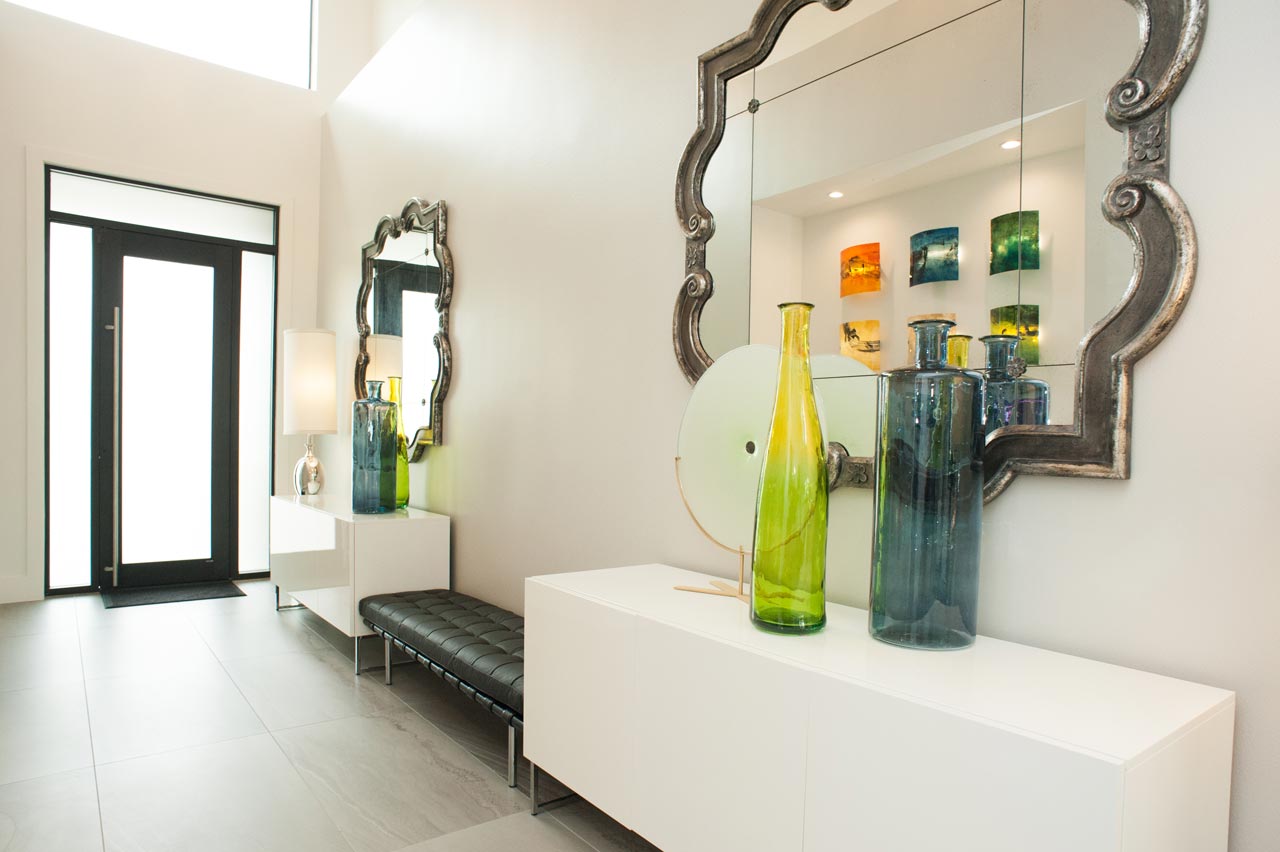
Color is where transitional home decor starts. Get the palette right and everything else falls into place. Transitional color schemes are calm and grounded. They are not stark white like a modern space. They are not deep burgundy like a traditional one. They sit in between.
Neutral tones are the backbone of transitional decor. Think warm whites, soft grays, greige, and taupe. These colors work on walls, large furniture, and rugs. They create a calm base. Then you layer in warmer tones for depth. Camel, navy, sage green, and soft black all work well as accent colors in a transitional space.
The key is to avoid extremes. Do not go all-white. Do not go all-dark. Transitional home decor lives in the middle range of the color spectrum. Soft contrast is your friend. A warm gray wall with cream trim and navy accents is a perfect transitional combination.
Best Neutral Tones for Transitional Rooms
Warm whites and off-whites are the most versatile base colors. They feel clean like modern design. But they also feel welcoming like classic style. Pair them with wood tones and soft textiles for a full transitional look.
Greige, a mix of gray and beige, is another top choice. It reads as neutral but has warmth. It works on walls, upholstery, and rugs. Soft gray is also popular. It pairs well with both warm wood tones and cool metal finishes. So you can mix classic wood furniture with modern metal accents without any clash.
For a slightly bolder base, try a warm taupe or a muted sage green. These colors have enough personality to feel intentional. But they are calm enough to let your furniture and decor shine.
Accent Colors That Bridge Classic and Modern
Accent colors add life to a transitional space. Navy blue is one of the best. It has a classic, traditional feel. But it also looks sharp and modern. Use it on throw pillows, a single accent chair, or window treatments.
Deep camel and warm cognac tones work beautifully too. They bring in the richness of classic design. But they feel fresh and current. Black is another strong accent in transitional home decor. A black lamp, black picture frames, or black hardware on cabinets adds modern edge without going too far.
Brown Interiors’ design team often uses a 60-30-10 color rule. Sixty percent neutral base, thirty percent secondary tone, ten percent accent. This formula keeps transitional rooms balanced and visually interesting. You can explore more design approaches on our design philosophy and services page.
Furniture Selection for Transitional Home Decor
Furniture is the heart of transitional home decor. The right pieces make the style work. The wrong ones push the room too far in one direction. Transitional furniture has a specific look. It is not ornate like traditional pieces. It is not stark like modern ones. It sits right in between.
Look for furniture with clean lines but soft edges. A sofa with a straight back but a slightly curved arm. A dining table with a simple silhouette but a warm wood finish. These details signal transitional style. They feel modern but not cold. They feel classic but not fussy.
Scale matters too. Transitional rooms use furniture that is proportional and grounded. Pieces are not too heavy or too light. They feel substantial without overwhelming the space. According to Harvard’s Graduate School of Design, proportion and scale are among the most critical factors in successful interior composition.
Sofas and Seating in Transitional Style
The sofa is the most important piece in a transitional living room. Choose one with a clean profile. Track arms or slightly rolled arms both work. Avoid heavy carved wood frames. Also avoid ultra-low, boxy modern silhouettes. The transitional sofa sits in the middle.
Fabric choice matters just as much as shape. Linen, cotton blends, and performance fabrics in neutral tones are ideal. They feel casual enough for daily life. But they look polished enough for a sophisticated room. Avoid heavy brocades or very shiny fabrics. Those push the room too traditional.
For accent chairs, you have more freedom. A classic wingback chair in a modern fabric works perfectly. So does a modern accent chair in a warm, textured fabric. Mixing chair styles is one of the easiest ways to create a transitional feel. Brown Interiors carries over 460 furniture pieces that work beautifully in transitional home decor.
Tables and Case Goods for Transitional Rooms
Coffee tables, dining tables, and case goods set the tone in a transitional space. Wood is always a strong choice. It brings warmth and a classic feel. But choose wood with a clean, simple design. Avoid heavy carved legs or ornate details.
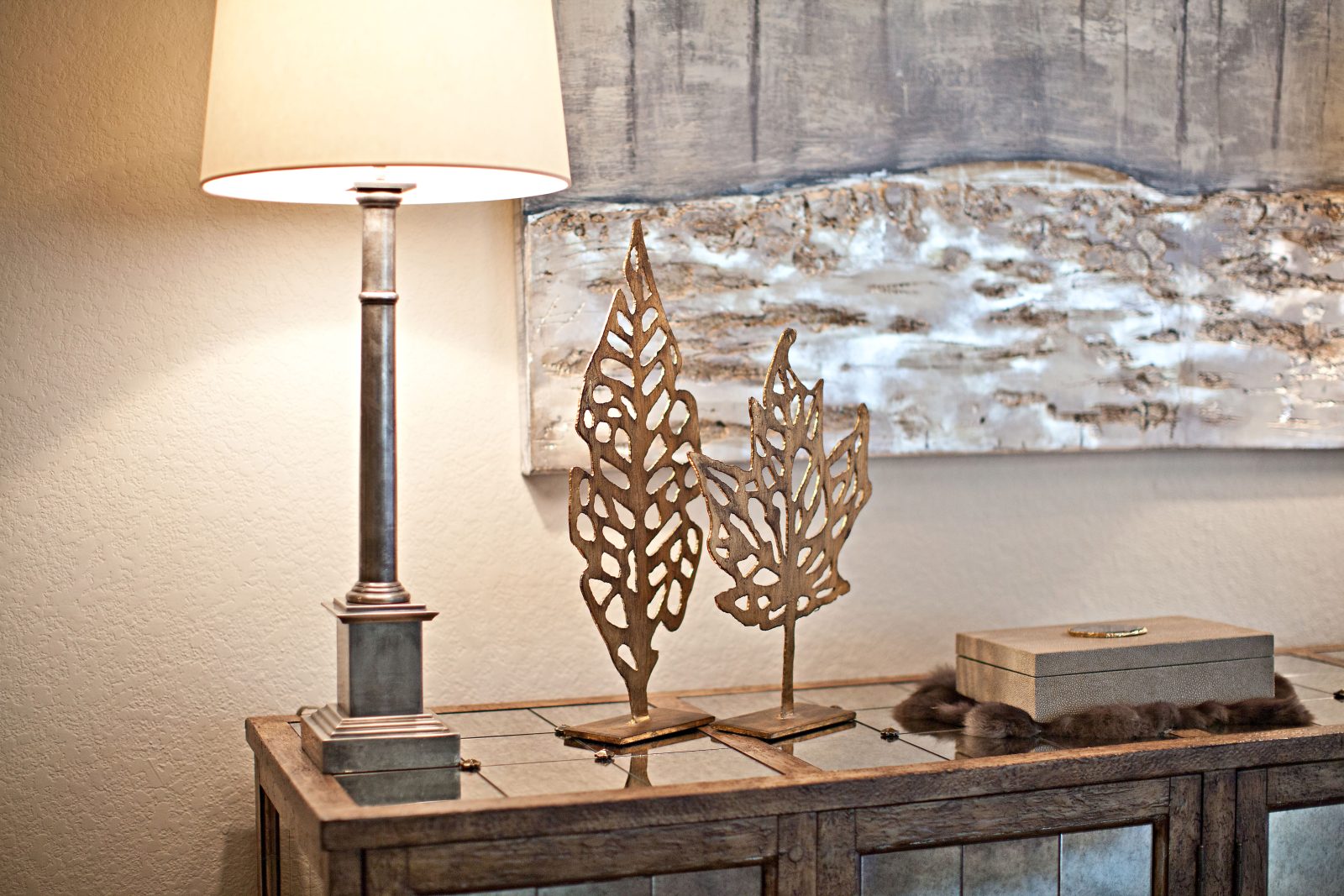
Mixing materials is a hallmark of transitional home decor. A wood dining table with metal chairs. A glass coffee table with a wood base. A marble-top console with simple metal legs. These combinations feel current and collected. They show intentional design thinking.
For storage pieces like dressers, buffets, and bookshelves, look for clean lines with simple hardware. Brushed nickel, matte black, or antique brass hardware all work in transitional spaces. Each finish adds a slightly different personality. Antique brass leans more classic. Matte black leans more modern. Choose based on the balance you want.
Pro Tip: When shopping for transitional furniture, bring photos of your existing pieces. Look for new items that share at least one quality with what you already own. Same wood tone, similar leg style, or matching metal finish. This one connection is enough to tie a transitional room together without making it feel matchy-matchy.
Layering Textures in Transitional Home Decor
Texture is what makes transitional home decor feel rich and layered. A room with all smooth surfaces feels cold. A room with all soft textures feels heavy. Transitional decor mixes both. The result is a space with visual depth and physical comfort.
Start with your largest surfaces. A smooth hardwood floor is a great base. Add a wool or jute area rug on top. Now you have two textures working together. The hard floor feels modern. The soft rug feels classic. That contrast is the essence of transitional style.
Move to your walls next. A smooth painted wall is clean and modern. Add a classic framed mirror or a piece of art with texture. Now the wall has depth. You can also add texture through window treatments. Linen drapes, woven shades, or layered curtains all add softness to a transitional room.
Soft Textiles That Work in Transitional Spaces
Throw pillows and blankets are the easiest way to add texture. Mix smooth velvet pillows with woven cotton ones. Add a chunky knit throw to a sleek sofa. These small additions make a big difference. They make the room feel lived-in and warm.
For upholstery, linen and cotton blends are the most versatile. They have a natural texture that feels casual. But they also look polished. Performance fabrics in these same textures are a smart choice for families. They look great and hold up to daily use.
Area rugs deserve special attention in transitional home decor. A wool rug with a classic pattern, like a subtle geometric or a soft medallion, works beautifully. It brings in traditional character. But the neutral color keeps it modern. The Wool and Textile Research Institute notes that wool rugs add both acoustic comfort and visual warmth to interior spaces.
Hard Surfaces and Mixed Materials
Hard surfaces add the modern edge in transitional home decor. Marble, stone, glass, and metal all bring a clean, contemporary feel. But they need to be balanced with soft elements. Too many hard surfaces make a room feel cold and uninviting.
Marble is a perfect transitional material. It has a classic, traditional history. But it also looks sleek and modern. A marble coffee table or kitchen countertop works in both styles. Stone tile in a bathroom or entryway does the same thing.
Metal finishes are another strong transitional element. Brushed nickel and antique brass both work. So does matte black. The key is to pick one or two metal finishes and use them consistently. Mix too many and the room feels chaotic. Stick to a clear metal palette and the room feels intentional and polished.
Common Mistake to Avoid: Do not mix too many textures at once. Too many distinct textures in one room can create visual noise. As a rule of thumb, pick three to four textures and repeat them throughout the space. For example, use linen, wood, metal, and wool. Repeat each in different pieces. That repetition creates cohesion in your transitional home decor.
Transitional Home Decor Room-by-Room Guide
Transitional home decor works in every room. But each space has its own priorities. The living room needs comfort and style. The bedroom needs calm and warmth. The kitchen needs function and beauty. Here is how to apply transitional principles room by room.
The living room is where transitional decor shines most. Start with a neutral sofa in a quality fabric. Add a classic area rug with a subtle pattern. Layer in accent chairs with different but complementary styles. Use a mix of wood and metal in your tables. Add soft lighting with a classic lamp and modern recessed lights. The room will feel balanced and inviting.
For the dining room, a wood table is the anchor. Pair it with upholstered chairs in a neutral fabric. Add a statement light fixture above. This is where you can go slightly bolder. A classic chandelier with a modern silhouette is a perfect transitional choice. It draws the eye up and adds drama without breaking the style balance.
Transitional Bedrooms: Calm and Collected
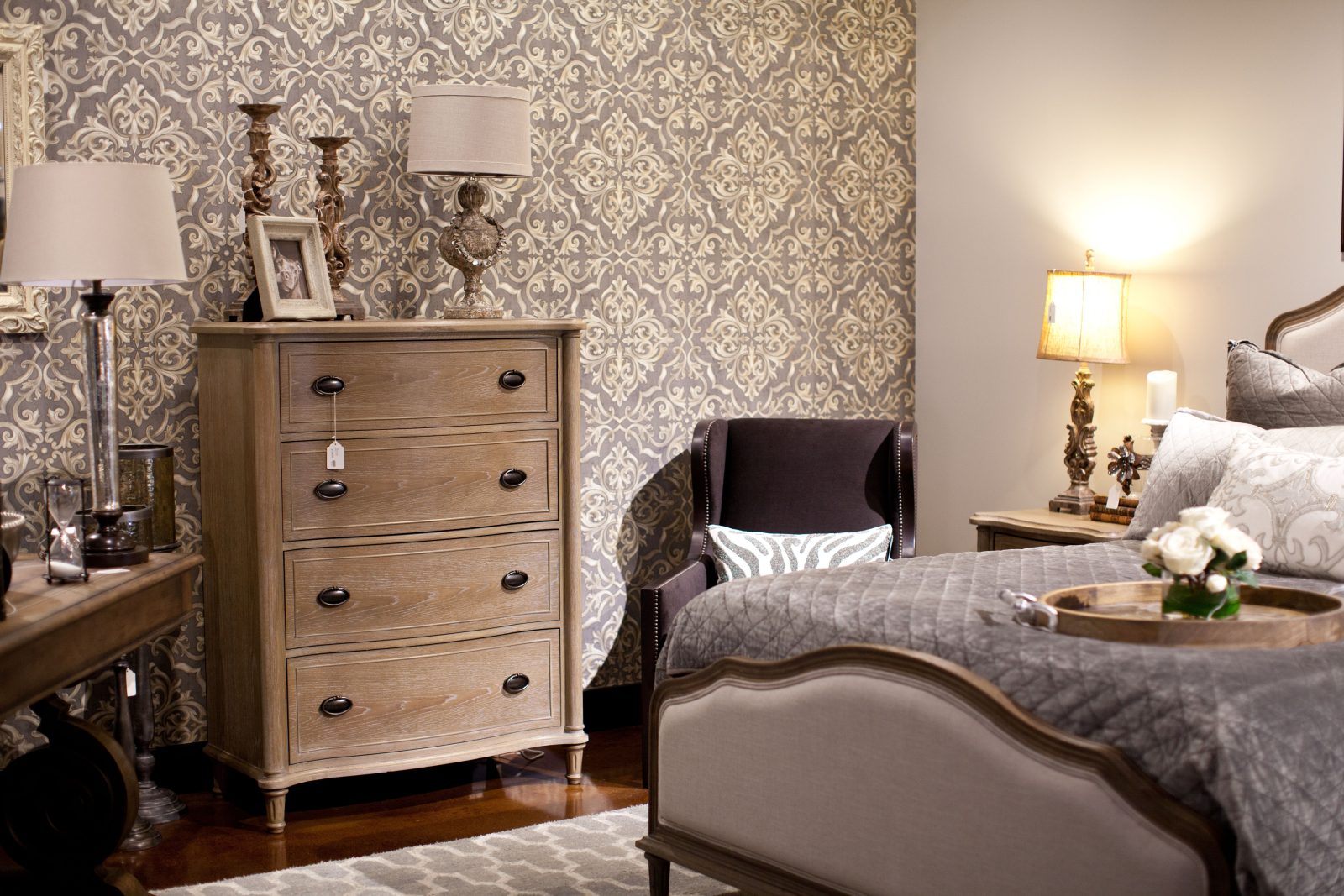
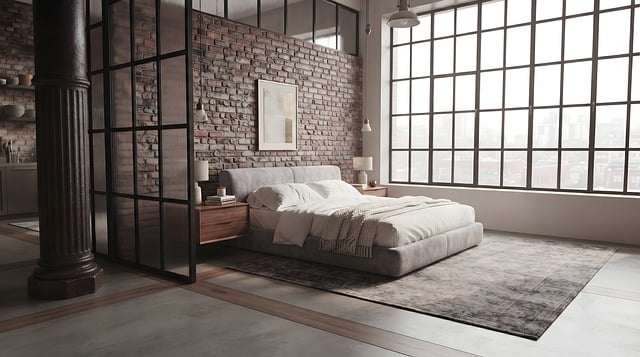
The bedroom is where transitional home decor feels most personal. Start with a bed frame that has a clean but substantial look. An upholstered headboard in a neutral fabric is ideal. It feels classic and cozy. But the clean lines keep it modern.
Bedding layers are important in a transitional bedroom. Use a mix of textures. A smooth duvet cover, a woven throw, and a few pillows in different fabrics. Keep the color palette calm. Soft whites, warm grays, and muted blues all work well.
Nightstand choices matter too. A pair of matching nightstands with simple hardware keeps the room grounded. Add a classic table lamp on each side. The lamp base can be ceramic, wood, or metal. Any of these materials work in transitional home decor. Just keep the shades simple and neutral.
Kitchens and Bathrooms in Transitional Style
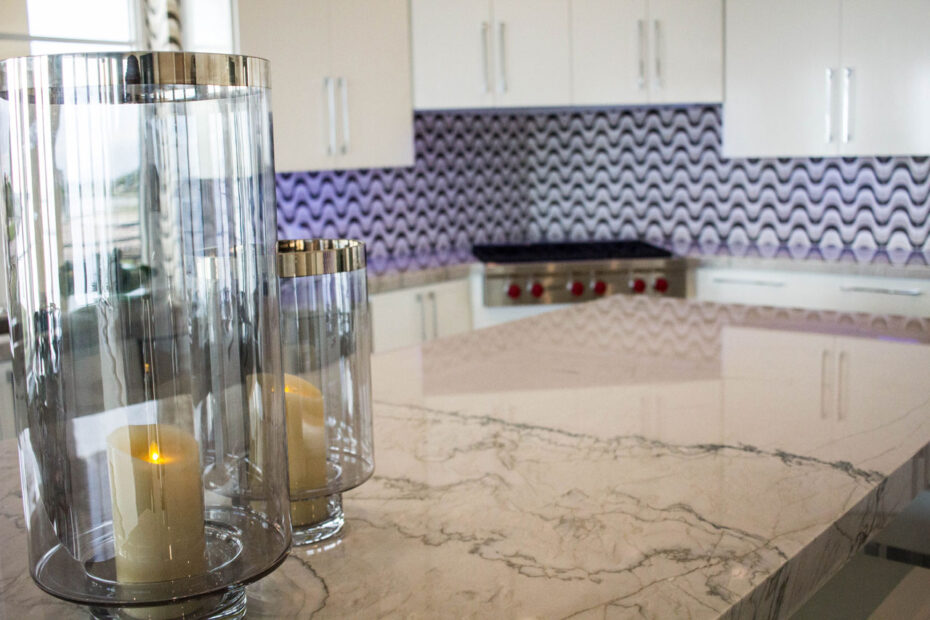
Kitchens are a natural fit for transitional home decor. Classic shaker-style cabinets in white or soft gray are the perfect base. They have traditional roots but a clean, modern look. Pair them with a simple subway tile backsplash. Add quartz or marble countertops for a polished finish.
Hardware is a small detail with big impact. Brushed nickel or antique brass pulls on shaker cabinets look classic but current. Matte black hardware gives the kitchen a more modern edge. Choose based on your overall metal palette.
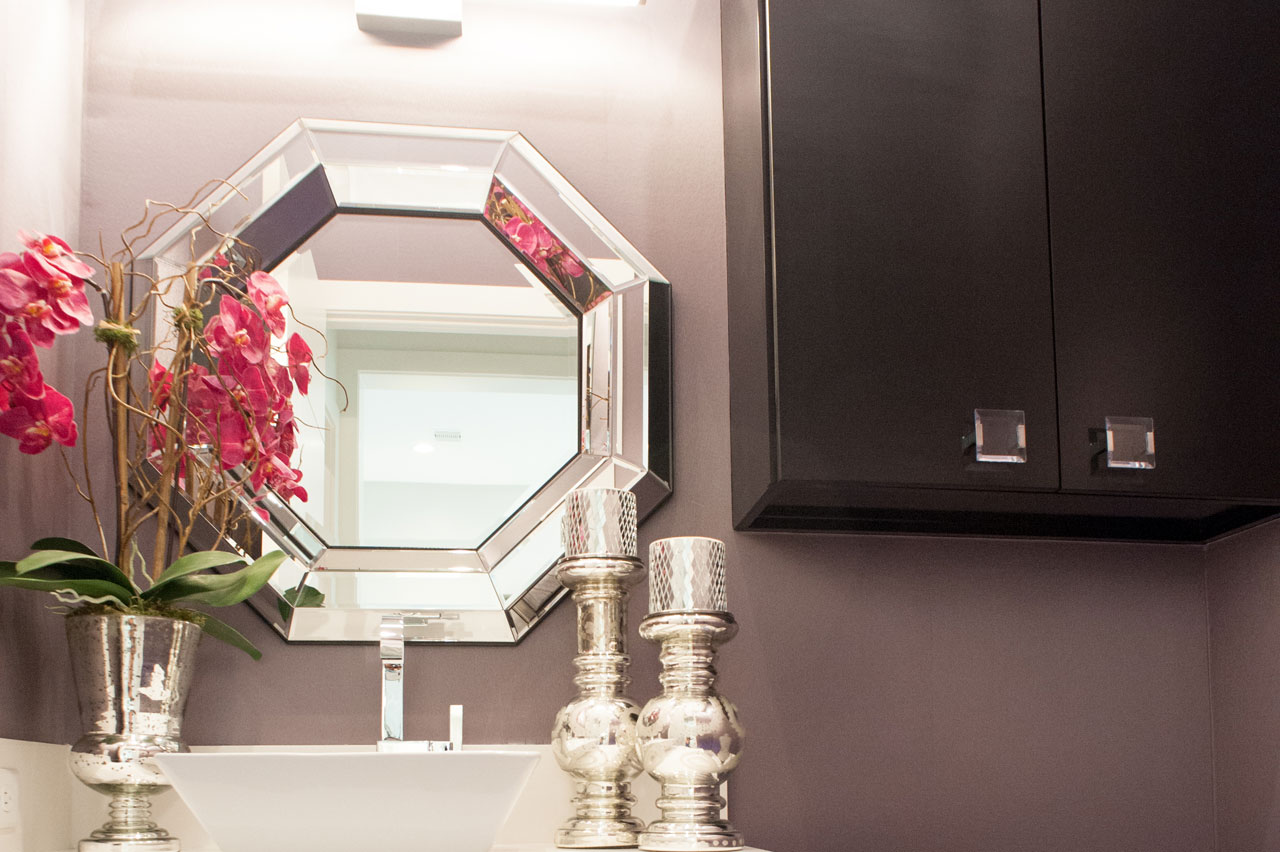
Bathrooms follow the same principles. A freestanding tub feels classic. Paired with a sleek, wall-mounted faucet, it becomes transitional. Subway tile with a simple grout color works in both traditional and modern baths. Add a classic framed mirror and a modern vanity light. The result is a bathroom that feels timeless. You can see real examples of transitional design in action at our Brown Interiors blog.
What This Means for You: Transitional home decor is not a rigid formula. It is a set of principles you apply to your own home. You do not need to buy all new furniture. Start with what you have. Identify your classic pieces and your modern ones. Then find the connections between them. A shared color, a similar material, a matching finish. Those connections are the building blocks of transitional style. With the right guidance, any room can become a beautiful transitional space. Brown Interiors’ design team in Pearland, TX has helped hundreds of homeowners do exactly this. We work with your existing pieces and help you add the right new ones.
Transitional home decor is one of the most rewarding styles to create. It gives you the warmth of classic design and the clarity of modern style. It is timeless, livable, and deeply personal. You have learned the key principles here. Start with a neutral color palette. Choose furniture with clean lines and soft edges. Layer textures for depth and warmth. Apply these ideas room by room.
The best transitional spaces feel collected, not decorated. They look like they came together over time. That is the goal. If you are ready to create your own transitional home, Brown Interiors is here to help. Our award-winning design team has served the Houston area since 2009. We blend classic and modern pieces that feel sophisticated and completely livable. Visit our furniture store and design showroom in Pearland, TX to get started today.
Expert Insight: Why Transitional Design Works: Transitional design succeeds because it lets you mix pieces you already own with new ones, so a room evolves instead of being replaced all at once. A classic rolled-arm sofa can sit beside a sleek metal-and-glass coffee table, and both look intentional. The best transitional rooms are not about following a trend. They are about creating a home that works for real life while still feeling beautiful and intentional every single day.
Frequently Asked Questions
What is transitional home decor in simple terms?
Transitional home decor blends classic and modern design. It takes warm, traditional elements and pairs them with clean, modern lines. The result is a balanced, timeless space. Transitional decor feels comfortable and sophisticated. It works in almost any home and suits almost any lifestyle.
What colors work best in transitional home decor?
Neutral tones are the best base for transitional home decor. Warm whites, soft grays, greige, and taupe all work well. Transitional decor uses these neutrals as a foundation. Then it adds accent colors like navy, camel, or matte black. This creates a calm, balanced palette that feels timeless.
How do I choose transitional furniture for my home?
Look for furniture with clean lines but soft edges. Transitional furniture avoids heavy carved details and ultra-modern boxy shapes. Choose pieces in neutral fabrics or warm wood finishes. Transitional decor mixes materials like wood and metal. Pick pieces that share at least one quality with your existing furniture.
Can transitional home decor work in a small space?
Yes. Transitional home decor works very well in small spaces. The neutral color palette keeps small rooms feeling open. Clean-lined transitional furniture does not overwhelm a small room. Choose pieces that are proportional to your space. Transitional decor’s emphasis on balance makes small rooms feel calm and well-organized.
What is the difference between transitional and contemporary decor?
Contemporary decor reflects current design trends. It changes over time. Transitional home decor is more stable. It blends classic and modern elements in a way that stays timeless. Transitional decor has more warmth than contemporary style. It uses more traditional materials and softer textures for a livable, balanced feel.
Step-by-Step Process
Step-by-Step Guide to Creating Transitional Home Decor
1. Audit your existing furniture and decor pieces
2. Choose a neutral base color for your walls
3. Select a transitional sofa with clean lines and soft edges
4. Pick two to three accent colors from the neutral spectrum
5. Add a classic area rug with a subtle pattern
6. Mix wood and metal materials in your tables and case goods
7. Layer three to four distinct textures throughout the room
8. Choose window treatments that add softness without heavy drama
9. Add lighting that mixes classic and modern elements
10. Edit the room and remove anything that tips the balance too far
Quick Reference: What Is Transitional Home Decor?
Transitional home decor is a design style that blends classic and modern elements. It uses neutral colors as a base. Then it layers in warm traditional pieces alongside clean modern ones. The result is a balanced, timeless space. Transitional decor is not too formal. It is not too minimal. It sits right in the middle. So it works for almost any home and any lifestyle. Transitional spaces feel collected and calm. They look intentional, not accidental. The style relies on balance in color, furniture, and texture. It is one of the most popular and enduring design styles in American homes today.
Additional Resources
• Interior Design Blog: Inspiration and Ideas — Browse real design projects and style tips from the Brown Interiors team in Pearland, TX.
• Design, What We Do at Brown Interiors — Learn about our full-service design approach, from concept to installation, for residential and commercial spaces.
• The Tree House Project — See a real Brown Interiors design project that demonstrates how classic and modern elements come together beautifully.