Your bedroom should feel like a true retreat. But many bedrooms feel cold, cluttered, or just plain boring. Bedroom interior design for comfort and style changes all of that. It turns your room into a space you love. Good bedroom interior design for comfort and style starts with knowing what you want. Do you want calm and cozy? Bold and modern? Soft and romantic? The right design brings it all together. At Brown Interiors, our award-winning team has helped Houston-area homeowners create beautiful bedrooms for 30 years. We know how to blend comfort and style into every detail. Our professional interior design services cover everything from furniture layout to lighting and color. So whether you are starting fresh or refreshing an old space, this guide gives you the tools to succeed. Bedroom interior design for comfort and style is not just about looks. It is about how your room makes you feel every single day.
1. What Bedroom Interior Design for Comfort and Style Really Means
2. Color Psychology in Bedroom Design
3. Furniture Arrangement for Comfort and Style
4. Bedroom Lighting Design That Sets the Mood
5. Materials and Textures That Add Style and Comfort
6. Personalizing Your Bedroom Sanctuary
What Bedroom Interior Design for Comfort and Style Really Means
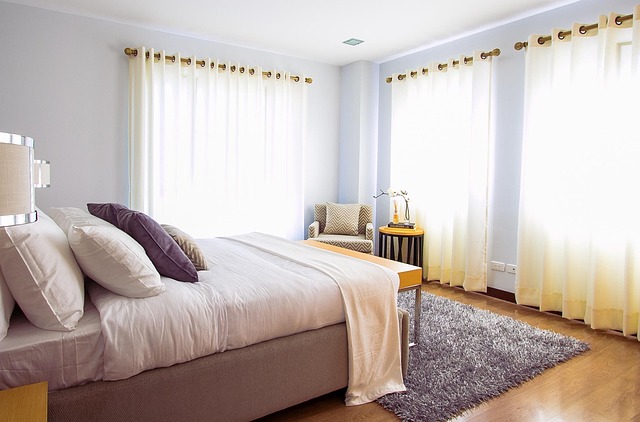
Bedroom interior design for comfort and style is more than decoration. It is a plan. It is a process. It brings together color, furniture, lighting, and texture. Each element works with the others. The result is a bedroom that feels personal and polished. Comfort means your room supports rest and relaxation. Style means it reflects who you are. Good bedroom design does both at once. You do not have to choose one over the other. According to the American Psychological Association, a restful sleep environment directly reduces stress and improves well-being. So your bedroom design choices actually affect your health. That makes bedroom interior design for comfort and style even more important.
The Core Elements of Bedroom Design
Every great bedroom design starts with a few core elements. First, there is layout. How you place your bed, dresser, and seating matters. Second, there is color. Your wall color sets the mood for everything else. Third, there is lighting. Good lighting makes a room feel warm and inviting. Fourth, there is texture. Soft rugs, plush bedding, and layered fabrics add comfort. Fifth, there is personal style. Your bedroom should look and feel like you. When these elements work together, bedroom interior design for comfort and style becomes effortless. Each choice supports the next. The room feels balanced and complete.
Why Comfort and Style Work Together
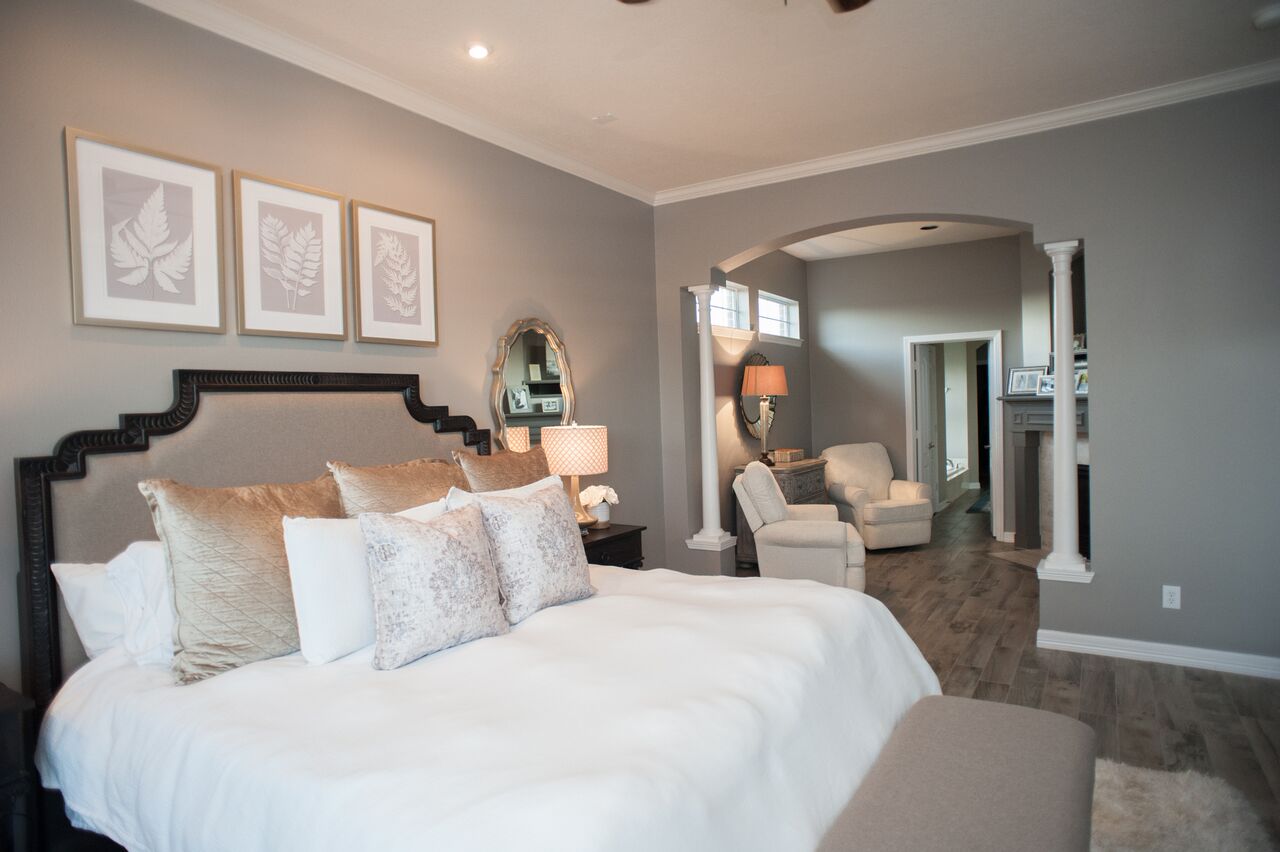
Some people think comfort and style are opposites. They are not. A stylish bedroom can also be deeply comfortable. The key is choosing the right materials and layouts. For example, a plush upholstered headboard looks elegant and feels cozy. A well-placed area rug adds warmth and visual interest. Soft linen curtains filter light beautifully while keeping the room calm. Bedroom interior design for comfort and style finds the sweet spot. It makes your room look great in photos and feel amazing every night. You can explore real design inspiration on the Brown Interiors design blog to see how comfort and style come together in real homes.
Bedroom interior design for comfort and style is a complete system. It combines layout, color, lighting, texture, and personal taste. When these elements align, your bedroom becomes a true sanctuary. Every design decision should serve both how the room looks and how it makes you feel.
Color Psychology in Bedroom Interior Design
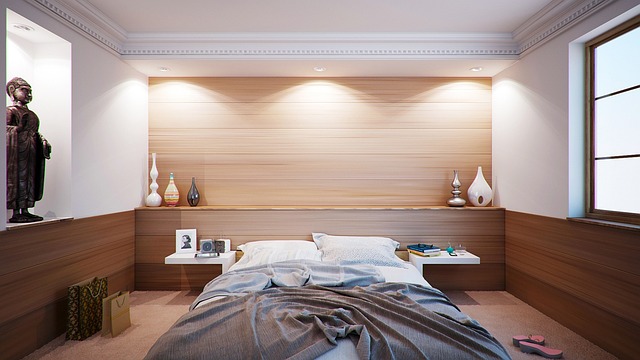
Color is one of the most powerful tools in bedroom interior design for comfort and style. The right color can calm your mind. It can energize you in the morning. It can make a small room feel larger. Color psychology is the study of how colors affect mood and behavior. In bedroom design, this science is your best friend. Soft blues and greens promote calm and rest. Warm neutrals like beige and taupe feel cozy and grounding. Deep jewel tones like navy or emerald add drama and style. Pale lavender creates a soft, romantic feel. Each color tells a story. Your bedroom color should tell yours. Bedroom interior design for comfort and style always starts with the right color palette.
Choosing the Right Bedroom Color Palette
Start with one anchor color. This is your main wall color or your bedding color. Then build around it. Choose two or three supporting colors. These appear in your pillows, curtains, and decor. Keep the palette cohesive. Too many colors create visual noise. That works against comfort. A good rule is the 60-30-10 rule. Use your main color for 60% of the room. Use a secondary color for 30%. Use an accent color for 10%. This creates balance. It also gives your bedroom interior design for comfort and style a professional, polished look. Neutral palettes work well for most bedrooms. But do not be afraid of color. A bold accent wall can add style without overwhelming the space.
Colors That Boost Comfort and Style
Some colors are proven winners for bedroom design. Soft sage green feels fresh and calming. It pairs well with natural wood tones. Warm white creates a clean, airy feel. It works with almost any accent color. Dusty blue is a classic bedroom color. It promotes sleep and feels timeless. Warm gray is versatile and modern. It adds style without feeling cold. Deep charcoal creates a cozy, cocoon-like feel. It works especially well in larger bedrooms. For bedroom interior design for comfort and style, avoid very bright or saturated colors on all four walls. They can feel stimulating rather than restful. Use them as accents instead. The National Sleep Foundation notes that cool, muted tones in the bedroom support better sleep quality.
Furniture Arrangement for Bedroom Comfort and Style
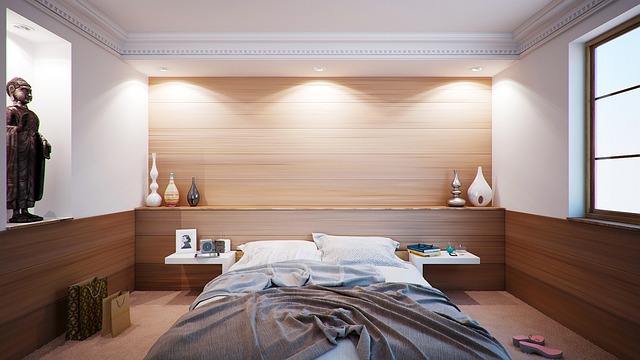
Furniture arrangement is the backbone of bedroom interior design for comfort and style. Where you place your bed, dresser, and seating shapes how the room feels. A poorly arranged bedroom feels cramped and chaotic. A well-arranged bedroom feels open and inviting. The bed is always the focal point. It should face the door but not be directly in line with it. This is called the command position. It gives a sense of safety and control. Place your bed against the longest wall when possible. This opens up floor space on both sides. Nightstands on each side add symmetry and function. Bedroom interior design for comfort and style depends on smart furniture placement.
Smart Furniture Layout for Small Bedrooms
Small bedrooms need extra thought. Every piece of furniture must earn its place. Choose a bed with built-in storage. This saves floor space. Use a tall dresser instead of a wide one. It draws the eye up and saves floor area. A floating nightstand frees up floor space too. Mirrors are your best friend in a small bedroom. They reflect light and make the room feel larger. Place a large mirror on the wall opposite a window. This doubles the natural light in the room. For bedroom interior design for comfort and style in small spaces, keep furniture legs visible. This creates a sense of openness. Avoid heavy, bulky pieces that block pathways.
Creating a Seating Area in Your Bedroom
A seating area adds luxury and function to your bedroom. It gives you a place to read, relax, or get dressed. Even a small bedroom can have a seating area. A single accent chair in the corner works beautifully. Add a small side table and a floor lamp. Now you have a cozy reading nook. In larger bedrooms, a loveseat or bench at the foot of the bed adds style. It also gives you a place to sit while putting on shoes. Bedroom interior design for comfort and style often includes this kind of layered functionality. You can see how Brown Interiors creates these layered spaces in our design portfolio. Every seating choice should match your overall bedroom style.
Always measure your bedroom before buying furniture. Draw a simple floor plan on graph paper first. Mark doors, windows, and outlets. Then place your furniture on paper before moving anything. This saves time, money, and frustration. Bedroom interior design for comfort and style works best when you plan the layout before you shop.
Bedroom Lighting Design That Creates Comfort and Style
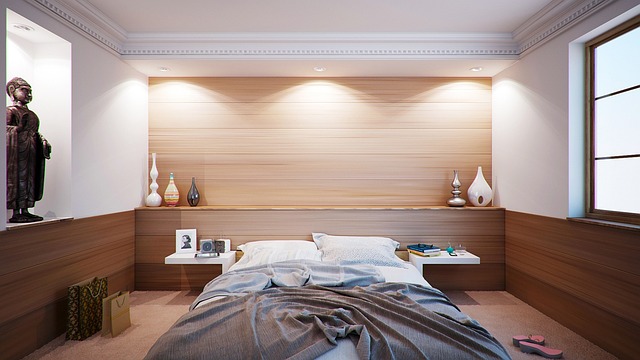
Lighting is the secret weapon of bedroom interior design for comfort and style. Most people think about furniture and color first. But lighting transforms a room more than almost anything else. Good bedroom lighting has three layers. The first layer is ambient lighting. This is your main overhead light. It fills the room with general light. The second layer is task lighting. This includes bedside lamps and reading lights. It helps you do specific activities. The third layer is accent lighting. This includes wall sconces, LED strips, and decorative lamps. It adds depth and drama. Bedroom interior design for comfort and style uses all three layers together. Each layer serves a purpose. Together, they create a room that feels warm, inviting, and complete.
Choosing the Right Bedroom Light Fixtures
Your light fixtures are also decor. They add style to your bedroom. A statement chandelier above the bed adds glamour. A simple pendant light feels modern and clean. A drum shade ceiling fixture works in almost any style. For task lighting, bedside lamps are the classic choice. They should be tall enough to light your book without shining in your eyes. Wall-mounted sconces save nightstand space. They also add a polished, hotel-like feel. For accent lighting, consider LED strip lights behind your headboard. They create a soft glow that adds depth. Bedroom interior design for comfort and style always considers how fixtures look during the day, not just at night. Choose fixtures that add visual interest even when they are off.
Bulb Temperature and Dimmer Switches
Bulb temperature matters a lot in bedroom design. Warm white bulbs (2700K-3000K) create a cozy, relaxing feel. Cool white bulbs (4000K+) feel clinical and harsh in a bedroom. Always choose warm white for bedroom lighting. Dimmer switches are a must for bedroom interior design for comfort and style. They let you adjust the light level for any activity. Bright light for getting dressed. Soft light for reading. Very dim light for winding down. According to Harvard Medical School, dimming lights in the evening helps your body prepare for sleep. So dimmers are not just stylish. They are also good for your health. Install dimmers on every bedroom light circuit if possible.
Do not rely on a single overhead light in your bedroom. One ceiling light creates flat, unflattering illumination. It also leaves dark corners that make the room feel smaller. Bedroom interior design for comfort and style requires layered lighting. Add bedside lamps, accent lights, and dimmers. This simple change transforms the entire feel of your bedroom.
Materials and Textures for Bedroom Comfort and Style
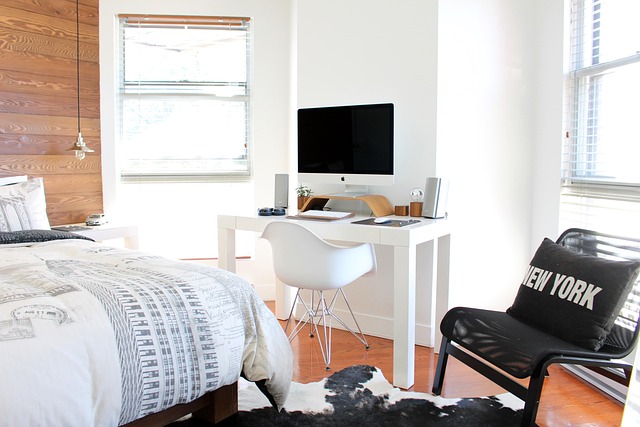
Materials and textures are what make a bedroom feel truly luxurious. Bedroom interior design for comfort and style depends on how things feel, not just how they look. Touch is a powerful sense. Soft, plush materials signal comfort to your brain. Smooth, cool materials feel clean and modern. Rough, natural textures feel grounded and organic. The best bedrooms layer different textures together. Think soft velvet pillows against crisp linen sheets. A chunky knit throw over a smooth duvet. A jute rug under a plush upholstered bed frame. These contrasts create visual and tactile interest. They make your bedroom feel rich and layered. Bedroom interior design for comfort and style always considers how materials work together as a whole.
Best Fabrics for Bedroom Comfort
Your bedding is the most important material choice in your bedroom. It is what you touch every single night. Choose natural fibers when possible. Cotton is breathable and easy to wash. Linen feels cool in summer and warm in winter. It also gets softer with every wash. Bamboo is silky smooth and naturally hypoallergenic. For pillows and throws, velvet adds instant luxury. It catches the light beautifully. Faux fur adds warmth and texture. Wool throws feel cozy and look stylish. For curtains, linen and cotton blends work well. They filter light softly. They also add a relaxed, elegant feel. Bedroom interior design for comfort and style uses fabric choices to set the tone for the entire room. Choose fabrics that feel as good as they look.
Flooring and Rugs That Add Warmth
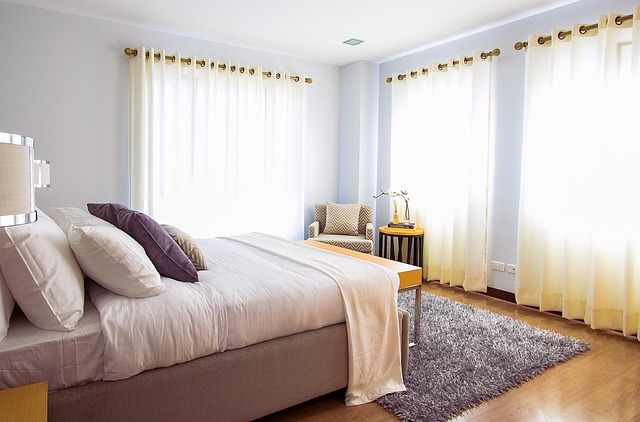
Your bedroom floor is a major design element. Hardwood floors look beautiful and are easy to clean. But they can feel cold underfoot in the morning. An area rug solves this problem. It adds warmth, color, and texture. Place your rug so it extends at least 18 inches beyond each side of the bed. This creates a soft landing when you get up. Choose a rug with a plush pile for maximum comfort. A wool rug adds natural warmth and durability. A cotton rug is easy to clean and works in casual styles. For bedroom interior design for comfort and style, the rug should anchor the entire room. It ties your furniture together and defines the sleeping area. Brown Interiors carries a wide range of rugs and home decor at our Pearland furniture showroom to help you find the perfect match.
Choosing the right materials is one of the most personal parts of bedroom interior design for comfort and style. Your material choices reflect your lifestyle. Do you love the feel of crisp, cool sheets? Choose linen or high-thread-count cotton. Do you want to sink into softness every night? Choose plush velvet and faux fur accents. Do you prefer a clean, minimal look? Choose smooth, simple fabrics in neutral tones. There is no wrong answer. The right materials are the ones that make you feel most at home. Bedroom interior design for comfort and style is ultimately about creating a space that fits your life perfectly. Every material choice is a step toward that goal.
Bedroom interior design for comfort and style is one of the most rewarding design projects you can take on. Your bedroom is your personal sanctuary. It deserves thoughtful attention. Start with color. Build your palette around how you want to feel. Then plan your furniture layout. Make sure every piece serves a purpose. Layer your lighting for warmth and function. Choose materials that feel as good as they look. And always let your personal style guide every decision. Bedroom interior design for comfort and style is not about following trends. It is about creating a space that is uniquely yours. With the right plan and the right team, your dream bedroom is closer than you think. Ready to transform your bedroom? Discuss your bedroom vision with Brown Interiors’ designers — call 281-412-5305 or visit our Pearland showroom. Our team is ready to help you create a bedroom that is both beautiful and deeply comfortable. Explore our full range of design services and what we do to get started today.
The most successful bedroom designs we create always start with one question: how do you want to feel when you walk in? Comfort and style are not competing goals. They are partners. When you choose colors that calm you, furniture that fits your life, and materials that feel luxurious, your bedroom becomes more than a room. It becomes a true retreat. That is the heart of bedroom interior design for comfort and style.
Bedroom interior design for comfort and style works best when every element serves a purpose. Color sets the mood. Furniture creates function. Lighting adds warmth. Materials deliver comfort. And personal style ties it all together. When these five elements align, your bedroom becomes the sanctuary you deserve.
Frequently Asked Questions
What is bedroom interior design for comfort and style?
Bedroom interior design for comfort and style is the process of creating a bedroom that feels great and looks beautiful. It combines color, furniture, lighting, and materials. Good bedroom design serves both your comfort needs and your personal style. The result is a bedroom that feels like a true sanctuary.
What colors work best for bedroom interior design comfort and style?
Soft blues, sage greens, warm neutrals, and dusty lavenders work best for bedroom design. These colors promote calm and rest. They also look stylish and timeless. For bedroom interior design for comfort and style, avoid very bright or saturated colors on all walls. Use bold colors as accents instead.
How do I arrange bedroom furniture for comfort and style?
Place your bed against the longest wall as the focal point. Keep pathways clear on both sides. Add nightstands for symmetry and function. In small bedrooms, choose furniture with built-in storage. Always measure your space first. Good bedroom furniture arrangement creates flow and makes the room feel open and inviting.
What lighting is best for bedroom interior design?
Layer three types of lighting for the best bedroom design. Use ambient lighting for general illumination. Add task lighting like bedside lamps for reading. Include accent lighting for depth and style. Always use warm white bulbs and dimmer switches. Layered bedroom lighting creates comfort and style in any room.
What materials add the most comfort and style to a bedroom?
Natural fibers like cotton, linen, and bamboo add comfort to any bedroom. Velvet and faux fur accents add luxury and style. Layering different textures creates visual and tactile richness. For bedroom interior design for comfort and style, mix smooth and plush materials. A wool area rug adds warmth and anchors the room beautifully.
Step-by-Step Process
Step-by-Step Bedroom Interior Design for Comfort and Style
1. Define Your Bedroom Style and Comfort Goals
2. Measure Your Bedroom and Create a Floor Plan
3. Choose Your Bedroom Color Palette
4. Select Your Bed Frame and Headboard First
5. Plan Your Furniture Layout Around the Bed
6. Layer Your Bedroom Lighting in Three Levels
7. Choose Bedding and Fabric Materials
8. Add an Area Rug to Anchor the Space
9. Style With Accessories and Personal Decor
10. Review and Adjust for Final Comfort and Style
Quick Reference: What Is Bedroom Interior Design for Comfort and Style?
Bedroom interior design for comfort and style is the art of creating a bedroom that feels good and looks beautiful. It is a complete design process. It covers color, furniture, lighting, and materials. Each element works together. The goal is a bedroom that supports rest and reflects your personality. Good bedroom design is personal. It fits your lifestyle. It makes you feel at home every single night. Bedroom interior design for comfort and style is not about following trends. It is about creating your perfect sanctuary. So every choice matters. From wall color to bedding fabric, each decision shapes how your bedroom feels.