Your kitchen is the most-used room in your home. But if the layout feels off, cooking becomes a chore. Storage runs out fast. And the space never quite looks the way you imagined. That is where kitchen interior design and space planning makes all the difference.
Good kitchen interior design and space planning is not just about picking cabinets and countertops. It is about making your kitchen work for how you actually live. At Brown Interiors, our team has spent 30 years helping Houston-area homeowners plan kitchens that are both beautiful and practical. In this guide, you will learn exactly how kitchen interior design and space planning works — from the first measurement to the final finish. Whether you are remodeling or starting fresh, this is the complete roadmap you need.
1. What kitchen interior design and space planning actually means
2. The kitchen work triangle and traffic flow
3. Kitchen layout types and which one fits your space
4. Storage planning for a functional kitchen
5. Lighting, materials, and finishing touches
6. How to work with a kitchen interior design professional
What kitchen interior design and space planning actually means
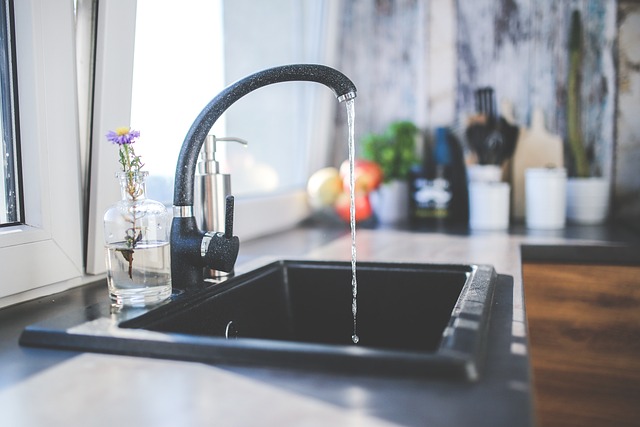
Most people think kitchen design is about choosing a style. Contemporary or traditional. White cabinets or dark wood. But kitchen interior design and space planning goes much deeper than that. It starts with how people move through the room. Then it looks at where things are stored. After that, it considers how light hits the surfaces. Style comes last — not first.
Space planning is the process of mapping out how every inch of your kitchen gets used. A good space plan accounts for your cooking habits, your family size, and your daily routine. According to the U.S. Department of Energy, kitchen layout directly affects how much energy appliances use — so smart space planning saves money too.
Kitchen interior design and space planning also means thinking about the future. Will you need more counter space as your family grows? Do you want an island someday? These questions shape every decision you make now.
Why space planning comes before style
Many homeowners pick finishes first. Then they try to fit the layout around those choices. That approach causes problems. You might end up with beautiful cabinets that block a doorway. Or a stunning island that makes the kitchen feel cramped.
Space planning sets the foundation. It tells you where the sink goes. It shows you how wide the aisles need to be. It decides where the refrigerator sits so it does not block the stove. Once the plan is solid, style choices become much easier. You are not guessing anymore. You are filling in a framework that already works.
For kitchen interior design and space planning to succeed, measurements matter most. Every wall, window, door, and utility line needs to be on paper before any decisions get made.
Key terms every homeowner should know
Before diving into your kitchen project, a few terms will help you talk to designers and contractors with confidence.
Work zone: An area of the kitchen dedicated to one task — prep, cooking, or cleanup. Work triangle: The path between your sink, stove, and refrigerator. Clearance: The open floor space between cabinets or appliances. Traffic flow: How people move through the kitchen while it is in use. CAD drawing: A computer-generated floor plan showing exact dimensions and placements.
Knowing these terms helps you ask better questions. It also helps you spot problems in a design before construction starts. Kitchen interior design and space planning uses all of these concepts together to build a kitchen that functions well every single day.
Kitchen interior design and space planning is not about style first. It is about function first. A well-planned kitchen layout saves time, reduces frustration, and makes cooking more enjoyable. Get the space plan right, and the style choices become straightforward. Skip the plan, and even beautiful finishes will not fix a kitchen that does not work.
The kitchen work triangle and traffic flow
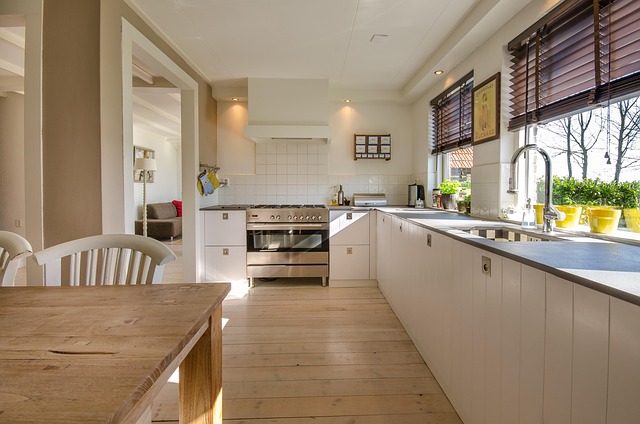
The work triangle is one of the oldest rules in kitchen interior design and space planning. It connects three points: the sink, the stove, and the refrigerator. The idea is simple. You move between these three spots constantly while cooking. So the distance between them should be short enough to be efficient but long enough to avoid crowding.
The National Kitchen and Bath Association recommends that each leg of the work triangle measure between 4 and 9 feet. The total of all three legs should fall between 13 and 26 feet. These numbers come from decades of research into how people actually cook. When the triangle is too large, you walk too much. When it is too small, two people cannot cook at the same time.
But the work triangle is just the starting point. Modern kitchens often have multiple cooks. So kitchen interior design and space planning now includes work zones instead of just a triangle. A prep zone near the sink. A cooking zone around the stove. A cleanup zone with the dishwasher. Each zone needs its own counter space and storage.
Traffic flow and aisle width
Traffic flow is how people move through your kitchen — not just while cooking, but all day long. Kids walk through to get snacks. Guests wander in during parties. Deliveries come through the back door. All of that movement needs a clear path.
For a one-cook kitchen, aisles should be at least 42 inches wide. For two cooks, 48 inches is the minimum. These numbers allow someone to open an oven door without blocking the walkway. They also let two people pass each other without bumping.
Poor traffic flow is one of the most common problems in kitchen interior design and space planning. A kitchen can look perfect on paper but feel chaotic in real life if the aisles are too narrow. Always test your plan by walking through it mentally — or better yet, tape out the layout on your floor before construction begins.
Multi-cook kitchens and zone planning
If two or more people cook regularly, zone planning matters more than the work triangle. Each cook needs their own counter space. Each zone needs its own access to tools and ingredients. The goal is to let two people work at the same time without getting in each other’s way.
For example, one person might handle prep at the island while another manages the stove. In that case, the island needs a prep sink. The stove area needs its own counter space for staging dishes. Kitchen interior design and space planning for multi-cook households also means thinking about where the trash and recycling go. Both cooks need easy access without crossing paths.
Brown Interiors works with clients in Pearland and across the Houston metro to map out these zones before a single cabinet gets ordered. See how the team approaches full-service kitchen projects at the Hunters Crossing remodel for a real example of zone planning in action.
Kitchen layout types and which fits your space
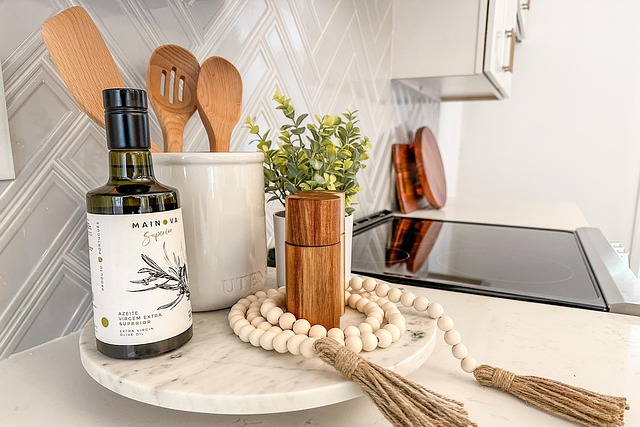
Kitchen layout is the backbone of kitchen interior design and space planning. The shape of your room largely determines which layout will work best. But within that constraint, you have real choices. Each layout has strengths and weaknesses depending on how you cook and how many people use the kitchen.
There are six main kitchen layouts. Each one handles traffic, storage, and work zones differently. Knowing the differences helps you make a smarter decision — and helps you push back if a contractor suggests a layout that does not fit your lifestyle.
Kitchen interior design and space planning professionals always evaluate the room’s dimensions before recommending a layout. A galley kitchen that works beautifully in a narrow space will feel like a hallway in a large open room. An L-shape that is perfect for a family of four may not suit a single person who rarely cooks.
The six main kitchen layouts explained
One-wall layout: All cabinets and appliances line one wall. Best for small spaces or studio apartments. Storage is limited, but the layout is simple and affordable.
Galley layout: Two parallel walls face each other. Efficient for one cook. Poor for multiple cooks because the aisle becomes a bottleneck.
L-shape layout: Cabinets run along two adjacent walls. Works well in medium-sized rooms. Leaves room for a dining table or island.
U-shape layout: Cabinets on three walls. Lots of storage and counter space. Best for larger kitchens with one or two cooks.
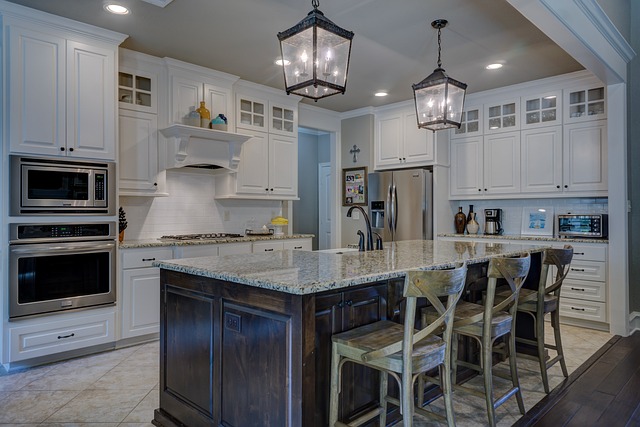
Island layout: An L-shape or U-shape with a freestanding island in the center. Adds prep space and seating. Requires at least 42 inches of clearance on all sides.
Peninsula layout: Similar to an island but attached to a wall. Good for open-plan homes. Creates a natural boundary between the kitchen and living area.
Choosing the right layout for your home
The right layout depends on three things: room size, cooking habits, and how the kitchen connects to the rest of your home. A small galley kitchen in a townhouse serves a different purpose than an open-plan kitchen in a suburban family home.
For open-plan homes, the island or peninsula layout works best. It keeps the kitchen connected to the living area while still defining the cooking space. For smaller homes, the L-shape gives you flexibility without eating up floor space.
Kitchen interior design and space planning also considers how the kitchen connects to outdoor spaces. In the Houston area, many homes have covered patios or outdoor kitchens. A well-planned interior kitchen should flow naturally toward those outdoor areas. That connection affects where you place the back door, the trash, and even the refrigerator.
The U.S. Department of Housing and Urban Development provides guidelines on accessible kitchen design that apply to any layout — worth reviewing if you are planning for aging in place.
Before committing to a layout, tape it out on your floor with painter’s tape. Walk through the space as if you are cooking a full meal. Open the oven door. Stand at the sink. Check if two people can pass each other in the aisle. This simple test catches problems that drawings miss — and it costs nothing.
Storage planning for a functional kitchen design
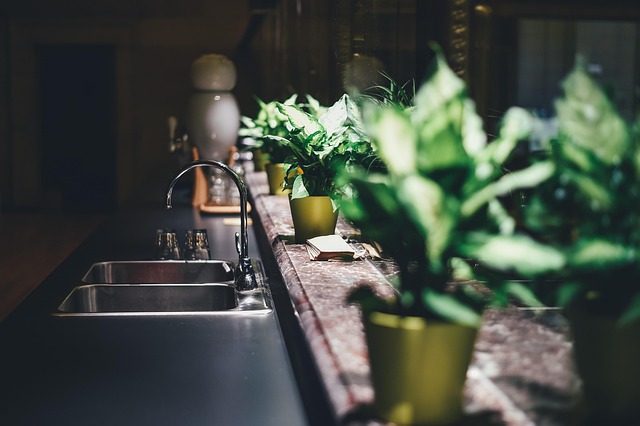
Storage is where most kitchen interior design and space planning projects either succeed or fail. You can have a beautiful layout with perfect traffic flow. But if there is nowhere to put your pots, pans, and pantry items, the kitchen will always feel chaotic.
Good storage planning starts with an inventory. What do you actually own? How many pots and pans? How much pantry food? Do you have a stand mixer, a blender, a coffee station? Every item needs a home. And that home should be as close as possible to where you use it.
Kitchen interior design and space planning professionals think about storage in three categories: upper cabinets, lower cabinets, and specialty storage. Each category serves a different purpose. Upper cabinets hold lighter items you reach for often — glasses, plates, spices. Lower cabinets hold heavier items — pots, pans, small appliances. Specialty storage handles everything else.
Upper cabinets, lower cabinets, and drawers
Upper cabinets are the most visible part of your kitchen. But they are also the hardest to reach. Anything stored above eye level requires a step stool. So upper cabinets should hold items you use less often — serving platters, seasonal items, extra stock.
Lower cabinets are where the real work happens. Deep drawers are more useful than shelves for pots and pans. You can see everything at once. You do not have to dig to the back of a shelf. Pull-out shelves inside lower cabinets solve the same problem.
Drawers deserve more attention in kitchen interior design and space planning than they usually get. A three-drawer stack next to the stove — one for utensils, one for tools, one for towels — keeps everything within arm’s reach. That small detail makes cooking faster and less frustrating every single day.
Pantry options and specialty storage solutions
A pantry is one of the most requested features in kitchen interior design and space planning. It does not have to be a walk-in closet. A tall cabinet with pull-out shelves works just as well in a smaller kitchen. The key is visibility. You should be able to see everything in your pantry without moving things around.
Specialty storage includes things like a spice drawer near the stove, a knife block built into the counter, a pull-out trash and recycling cabinet, and a charging station for devices. These details seem small. But they add up to a kitchen that feels organized and calm instead of cluttered and stressful.
For clients working on kitchen remodels in the Pearland and Houston area, Brown Interiors includes detailed storage planning as part of every kitchen project. You can see the kind of thoughtful design work the team does in the Jewel Box remodel project — a great example of storage and style working together.
Do not plan storage based on what you wish you owned. Plan it based on what you actually own right now. Many homeowners design a kitchen for an idealized version of their cooking life — then end up with empty cabinets in the wrong places and no room for the things they use every day. Take inventory first. Design second.
Lighting, materials, and finishing touches in kitchen design
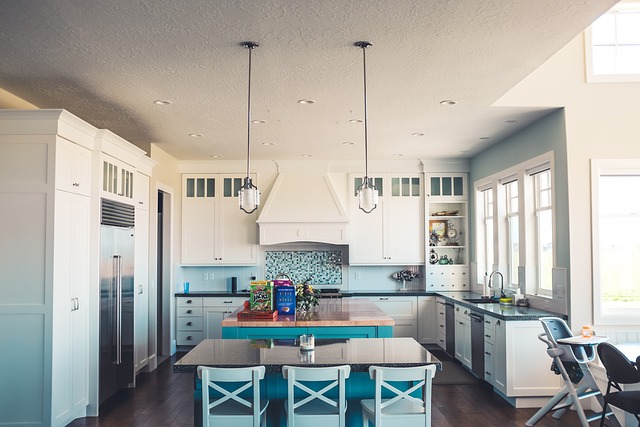
Once the layout and storage plan are set, kitchen interior design and space planning moves into materials and finishes. This is where the kitchen starts to look like a real room instead of a blueprint. But even here, function drives the decisions.
Lighting is the most underestimated element in kitchen design. Most kitchens rely on a single overhead fixture. That creates shadows on countertops — exactly where you need to see clearly. Good kitchen lighting uses three layers: ambient light for the whole room, task lighting for work surfaces, and accent lighting for visual interest.
Materials need to handle heat, moisture, and daily wear. Countertops, backsplashes, flooring, and cabinet finishes all need to be durable. But they also need to work together visually. Kitchen interior design and space planning professionals use material boards to show how all the finishes look side by side before anything gets installed.
Countertop and backsplash material choices
Countertops take more abuse than any other surface in the kitchen. They need to handle hot pots, sharp knives, spills, and daily cleaning. The most popular options are quartz, granite, and butcher block. Each has trade-offs.
Quartz is non-porous and low maintenance. It does not need sealing. It resists stains well. Granite is natural stone with unique patterns. It needs annual sealing but is very durable. Butcher block adds warmth and is easy to repair. But it requires regular oiling and is not ideal near the sink.
Backsplashes protect the wall behind the stove and sink. They also add visual interest. Subway tile is classic and easy to clean. Large-format tile makes a bolder statement. Natural stone adds texture. In kitchen interior design and space planning, the backsplash is often the place where you can take a design risk without committing to something permanent or expensive.
Lighting layers and fixture placement
Task lighting goes directly above work surfaces. Under-cabinet lights are the most common solution. They illuminate the countertop without casting shadows. Recessed lights in the ceiling provide ambient light for the whole room. Pendant lights over an island add both task lighting and visual style.
Placement matters as much as fixture type. Recessed lights should be spaced evenly — typically 4 feet apart. They should not be directly above cabinet doors, or the light will hit the door instead of the counter. Pendants over an island should hang 30 to 36 inches above the surface.
Kitchen interior design and space planning includes a lighting plan as part of the overall design. This plan shows exactly where each fixture goes, what type of bulb it uses, and how it connects to the electrical system. Getting this plan right before construction starts saves money and avoids the need to add fixtures later.
For guidance on energy-efficient lighting options, the ENERGY STAR lighting guide is a reliable resource for comparing fixture types and efficiency ratings.
If you are planning a kitchen remodel or new construction in the Houston area, the materials and lighting decisions you make now will affect how your kitchen looks and functions for the next 15 to 20 years. Getting these choices right requires more than browsing Pinterest. It requires a clear plan that connects your lighting, materials, and layout into one cohesive design. That is exactly what kitchen interior design and space planning professionals do — and why working with an experienced designer pays off in the long run. The team at Brown Interiors has helped hundreds of Houston-area homeowners make these decisions with confidence. You can explore the full range of design services at Brown Interiors to see how the process works from start to finish.
Kitchen interior design and space planning is a process, not a single decision. It starts with measuring your space and understanding how you cook. Then it moves through layout, traffic flow, storage, lighting, and materials. Each step builds on the last. Skip one, and the whole kitchen suffers.
The good news is that you do not have to figure this out alone. Brown Interiors has been helping Houston-area homeowners with kitchen interior design and space planning for 30 years. The team brings formal design training, detailed CAD drawings, and hands-on project management to every kitchen project. If you are ready to start planning your kitchen, call Brown Interiors at 281-412-5305 or visit the showroom at 2640 E Broadway St STE 102, Pearland, TX. You can also explore past design work and get inspired at the Brown Interiors design blog.
The biggest mistake homeowners make is treating the kitchen like a showroom instead of a workspace. A kitchen has to function before it can be beautiful. When we start a kitchen interior design and space planning project, the first thing we do is watch how the client actually moves through their current kitchen. That tells us more than any mood board ever could. The layout has to fit the person — not the other way around.
Kitchen interior design and space planning works best when function leads and style follows. A kitchen that looks good but does not work for your daily routine will frustrate you every single day. Start with your layout, nail your storage plan, get your lighting right — then choose your finishes. That order makes every decision easier and every dollar go further.
Frequently Asked Questions
What does kitchen interior design and space planning include?
It covers layout planning, traffic flow, storage design, lighting placement, and material selection. A full kitchen space plan includes detailed drawings showing where every cabinet, appliance, and fixture goes. The goal is a kitchen that works efficiently and looks the way you want it to.
How long does kitchen space planning take before construction starts?
Most kitchen space planning projects take two to six weeks before construction begins. That time covers measuring the room, drafting the layout, selecting materials, and finalizing the plan. Rushing this phase leads to costly changes during construction. A thorough plan upfront saves time and money overall.
What is the ideal kitchen work triangle measurement?
Each leg of the work triangle should measure between 4 and 9 feet. The total of all three legs should fall between 13 and 26 feet. A triangle within these ranges keeps cooking efficient without making the kitchen feel cramped. Modern kitchen space planning also adds dedicated work zones for multi-cook households.
How much does professional kitchen interior design cost in Houston?
Design consultation fees typically range from $100 to $250 per session or $100 per hour for ongoing support. Full kitchen design projects vary based on scope and complexity. Many homeowners find that professional kitchen interior design saves money by avoiding costly layout mistakes and material missteps during construction.
Which kitchen layout works best for a small space?
A galley or L-shape layout works best in small kitchens. Both layouts use wall space efficiently and keep the work triangle compact. Kitchen space planning for small rooms also focuses on vertical storage — tall cabinets and open shelving — to maximize every square foot without making the room feel closed in.
Step-by-Step Process
Step-by-Step Kitchen Interior Design and Space Planning Process
1. Measure your kitchen — record every wall, window, door, and utility line
2. Take a full inventory of what you own and need to store
3. Choose your kitchen layout based on room size and cooking habits
4. Map out your work triangle and traffic flow paths
5. Plan your storage zones — upper cabinets, lower cabinets, pantry
6. Create a lighting plan with ambient, task, and accent layers
7. Select countertop and backsplash materials using a material board
8. Choose cabinet style, finish, and hardware to match your design
9. Review CAD drawings with your designer before ordering anything
10. Coordinate with contractors and confirm installation sequence
Quick Reference: What Is Kitchen Interior Design and Space Planning?
Kitchen interior design and space planning is the process of designing a kitchen that works well and looks good. It starts with measuring the room. Then it maps out how people move through the space. Next, it plans where cabinets, appliances, and storage go. After that, it selects lighting, materials, and finishes. The result is a kitchen built around how you actually live — not just how it looks in a photo. Good kitchen space planning prevents costly mistakes. It also makes the construction process faster and smoother. Every decision connects to the next, so the whole kitchen works as one system.