Most homeowners ask the same question before starting a design project: how long will this take? The interior design timeline is one of the most misunderstood parts of the process. Some projects wrap up in six weeks. Others take six months or more. The difference comes down to scope, decisions, and planning.
At Brown Interiors, we have guided clients through every type of project for 30 years. Our full-service interior design and home decor services cover everything from a single room refresh to a whole-home transformation. We know exactly what drives a project forward and what causes delays. This guide breaks down the interior design timeline phase by phase. You will learn what to expect, what affects your schedule, and how to plan your project with confidence.
1. What Is a Typical Interior Design Timeline?
2. Interior Design Timeline Phase by Phase
3. Factors That Affect Your Design Timeline
4. Interior Design Timeline by Project Type
5. How to Keep Your Design Project on Schedule
What Is a Typical Interior Design Timeline?

The interior design timeline varies by project. A single-room design can take 6 to 10 weeks. A full home renovation can run 6 to 12 months. New construction design often spans the entire build period, which is 8 to 18 months in most cases.
These numbers are not guesses. They reflect real project data from residential and commercial design work. The timeline starts the moment you book your first consultation. It ends when the last piece is installed and styled. Every phase in between has its own schedule.
Understanding your interior design timeline from the start helps you plan better. You avoid surprises. You make faster decisions. And your project finishes closer to the date you want.
Single Room vs. Whole Home Timeline
A single-room design project moves faster. You are choosing furniture, finishes, and decor for one space. The design phase takes 2 to 3 weeks. Ordering and delivery add another 4 to 8 weeks. Installation wraps up in 1 to 2 days.
A whole-home project is different. Each room needs its own design plan. Decisions multiply. Contractor schedules come into play. The interior design timeline for a full home runs 4 to 12 months depending on scope. Renovation work adds even more time.
Knowing your project type helps you set the right expectations from day one. Your designer will give you a more specific schedule after the initial consultation.
New Construction Design Timelines
New construction design starts before the walls go up. Your designer works alongside the builder from the concept phase. Material selections, CAD drawings, lighting plans, and finish schedules all happen during the build. This is why the design process for new construction runs parallel to the construction schedule.
For most new builds in the Houston metro area, this means 8 to 18 months of active design work. The earlier you bring in a designer, the smoother the process goes. Late changes to plans cost time and money. Early decisions keep the project moving.
Key Takeaway: Your interior design timeline depends on project scope. Single rooms take 6 to 10 weeks. Whole homes take 4 to 12 months. New construction runs 8 to 18 months. Knowing your project type from the start helps you plan accurately and avoid timeline surprises.
Interior Design Timeline Phase by Phase
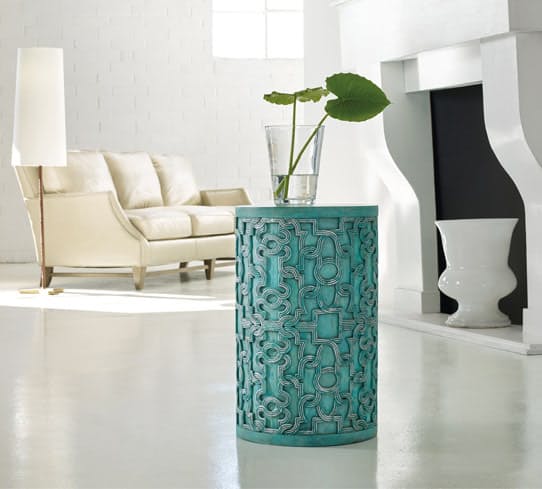
Every interior design timeline follows a similar structure. There are five core phases. Each phase has a clear purpose and a typical duration. Understanding each one helps you see where your project stands at any given moment.
The five phases are: consultation, design development, procurement, installation, and styling. Some projects combine phases. Others run phases at the same time. But the order stays mostly the same across all project types.
According to the American Society of Interior Designers, a structured design process leads to better outcomes and fewer costly changes. Following a clear interior design timeline is one of the best things you can do for your project.
Consultation and Discovery Phase
The consultation phase is where your interior design timeline begins. This is a one-on-one meeting with your designer. You talk about your goals, your style, your budget, and your schedule. Your designer asks questions and takes notes.
At Brown Interiors, the initial consultation runs 1 to 2 hours. It costs a flat fee of $100 to $250. This session gives your designer the information needed to build your design plan. It also gives you a realistic picture of what your project will involve.
After the consultation, your designer prepares a project proposal. This document outlines the scope, the phases, and the estimated interior design timeline. You review it, ask questions, and approve it before work begins. This phase typically takes 1 to 2 weeks from first contact to signed agreement.
Design Development and Selection Phase
The design development phase is where the creative work happens. Your designer builds a concept. They select furniture, fabrics, finishes, and accessories. They create space plans and, for renovation projects, detailed drawings.
This phase takes 2 to 4 weeks for a single room. For a whole home, it can take 4 to 8 weeks. The speed depends on how quickly you review and approve design presentations. Fast feedback keeps the interior design timeline on track. Slow decisions push it back.
Your designer will present options to you in a formal design presentation. You will see material boards, furniture selections, and layout plans. You give feedback. The designer refines the plan. Once you approve, the project moves to procurement.
Factors That Affect Your Interior Design Timeline
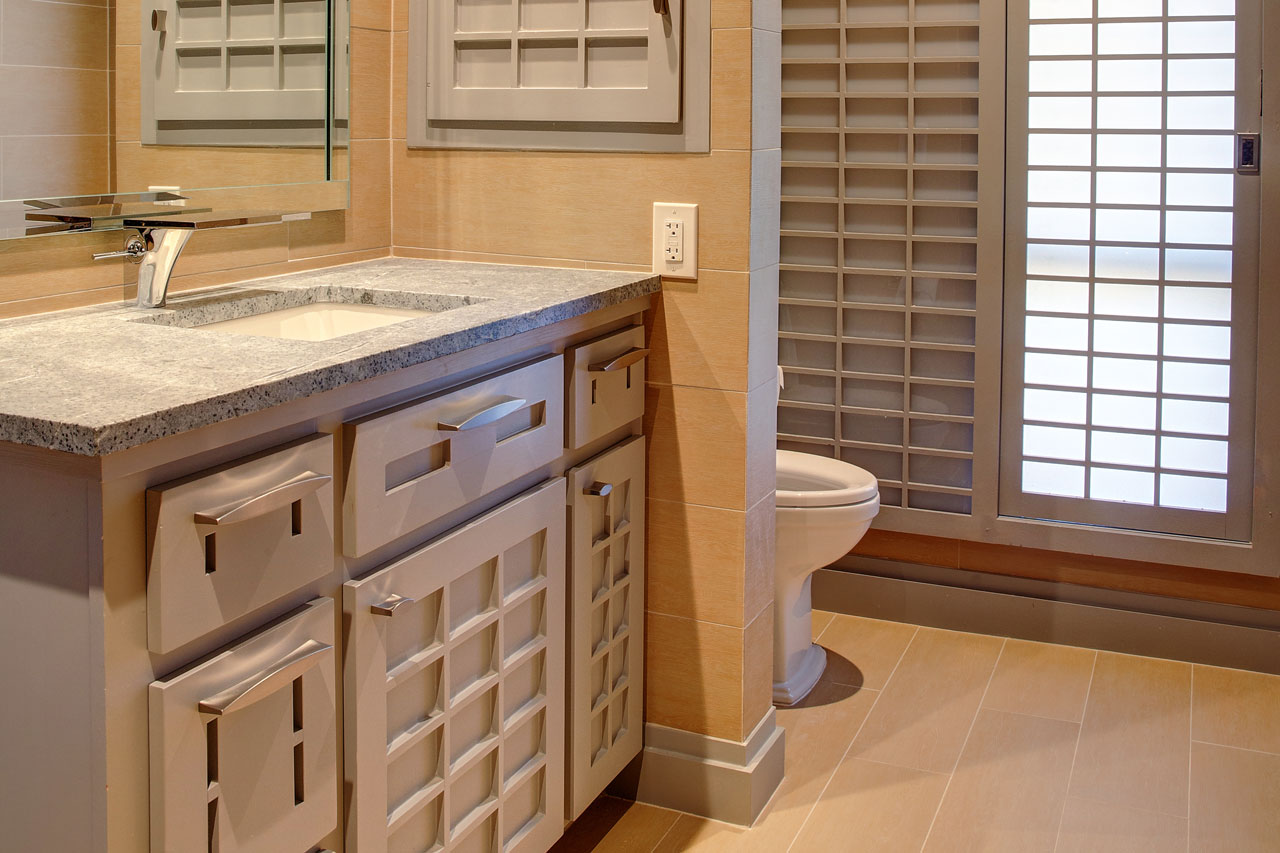
Many things can speed up or slow down your interior design timeline. Some are in your control. Others are not. Knowing these factors helps you plan better and set realistic expectations.
The biggest factors are decision speed, product lead times, contractor availability, and project scope changes. Each one can add days or weeks to your schedule. Your designer will flag these risks early so you can plan around them.
The U.S. Bureau of Labor Statistics notes that interior designers must coordinate with contractors, suppliers, and clients to keep projects on schedule. This coordination is a core part of what makes the interior design timeline work.
Product Lead Times and Delivery Delays
Furniture and custom items take time to arrive. Standard furniture orders take 6 to 12 weeks. Custom pieces can take 12 to 20 weeks or more. Window treatments, upholstery, and specialty items have their own lead times.
This is the phase most homeowners underestimate. You approve your design. You expect things to arrive quickly. But the interior design timeline includes weeks of waiting for orders to be produced and shipped. Your designer tracks every order and keeps you updated.
Ordering early is the best way to protect your timeline. Your designer places orders as soon as you approve selections. Every week of delay in approvals adds a week to your delivery window.
Contractor Schedules and Renovation Work
Renovation projects add contractor schedules to the interior design timeline. Contractors have their own booking windows. In the Houston area, good contractors book out 4 to 8 weeks in advance. Your designer coordinates with them to align the design and construction schedules.
Unexpected issues during renovation also add time. Hidden plumbing problems, structural surprises, or permit delays can push your schedule back by weeks. Your designer builds buffer time into the plan to account for these risks.
For remodeling projects, Brown Interiors works directly with trusted contractors. This coordination keeps the interior design timeline as tight as possible. You get one point of contact instead of managing multiple trades yourself.
Pro Tip: Lock in your furniture and material selections within 48 hours of your design presentation. Every day you wait on approvals adds a day to your lead time window. Fast decisions are the single biggest thing you can do to protect your interior design timeline and hit your target completion date.
Interior Design Timeline by Project Type
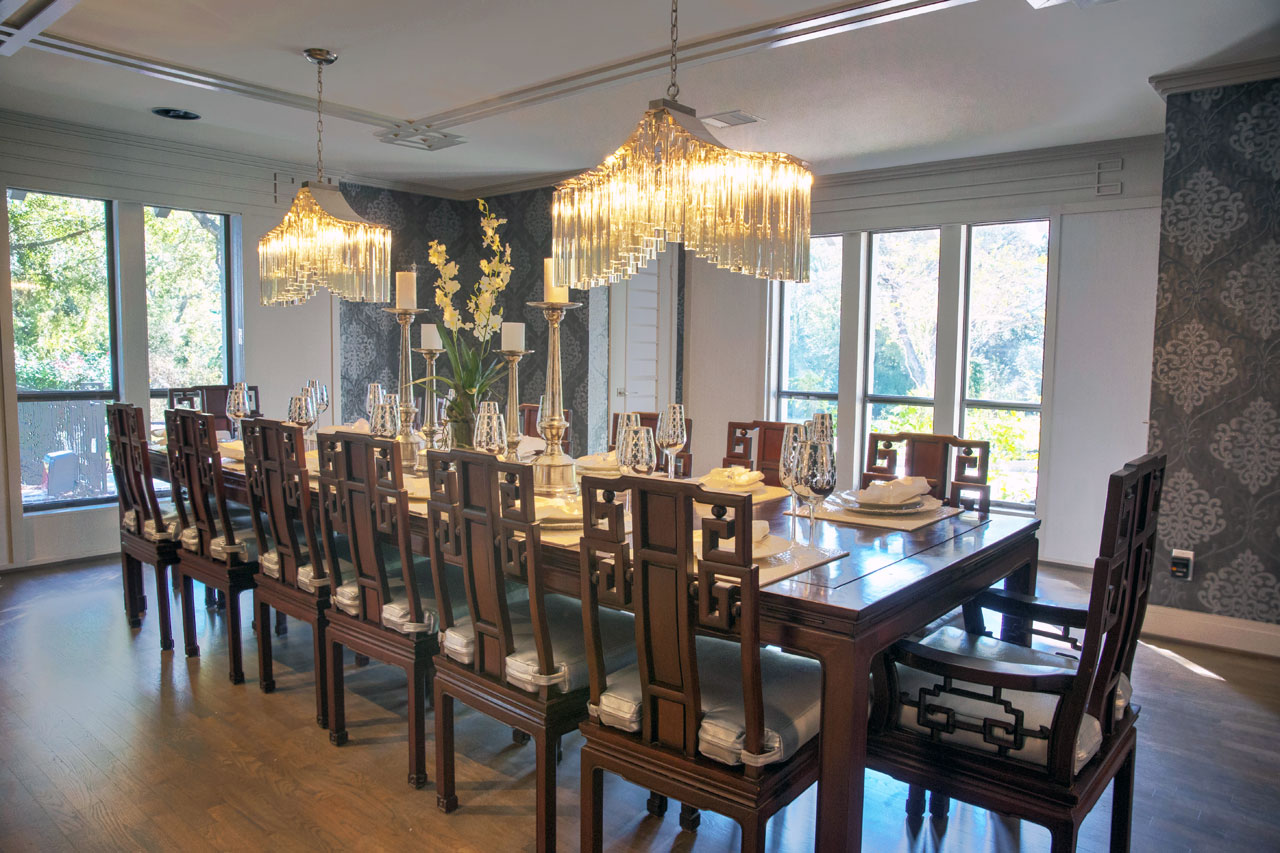
Different project types have different interior design timelines. A kitchen remodel runs on a different schedule than a living room refresh. A commercial office design has different phases than a residential bedroom project. Knowing the typical timeline for your project type sets the right expectations.
Below are the most common project types and their typical interior design timelines. These are averages based on real project data. Your specific project may run faster or slower depending on scope and decisions.
For a detailed look at past projects and what goes into each design phase, the Brown Interiors project portfolio shows real examples of completed work across different project types and styles.
Kitchen and Bathroom Remodel Timelines
Kitchen remodels are among the longest residential projects. The interior design timeline for a full kitchen renovation runs 3 to 6 months. Cabinet orders alone take 6 to 10 weeks. Countertop fabrication adds 2 to 3 weeks. Appliance delivery can take 4 to 8 weeks.
Bathroom remodels move faster. A single bathroom renovation typically takes 6 to 10 weeks from design approval to final installation. Tile, fixtures, and vanities all have their own lead times. Custom tile work or specialty fixtures can extend this window.
Both project types require contractor coordination. Plumbers, electricians, and tile setters all need to be scheduled in sequence. Your designer manages this coordination so the interior design timeline stays as tight as possible.
Living Room and Bedroom Design Timelines
Living room and bedroom projects are the most common single-room designs. The interior design timeline for these spaces runs 6 to 12 weeks from consultation to installation. The design phase takes 2 to 3 weeks. Furniture orders take 6 to 10 weeks. Installation takes 1 day.
Custom window treatments add 4 to 6 weeks to the schedule. If you want custom upholstery or specialty rugs, add another 4 to 8 weeks. Your designer will sequence these orders so everything arrives close to the same time.
For commercial spaces like offices, lobbies, and conference rooms, the interior design timeline is similar to a residential living room project. Most commercial single-space designs wrap up in 8 to 14 weeks.
Common Mistake to Avoid: Do not start a design project without a clear interior design timeline in writing. Many homeowners begin with a verbal estimate and end up frustrated when the project runs long. Always get a written schedule with phase dates, order deadlines, and installation windows before any work begins.
How to Keep Your Interior Design Timeline on Track
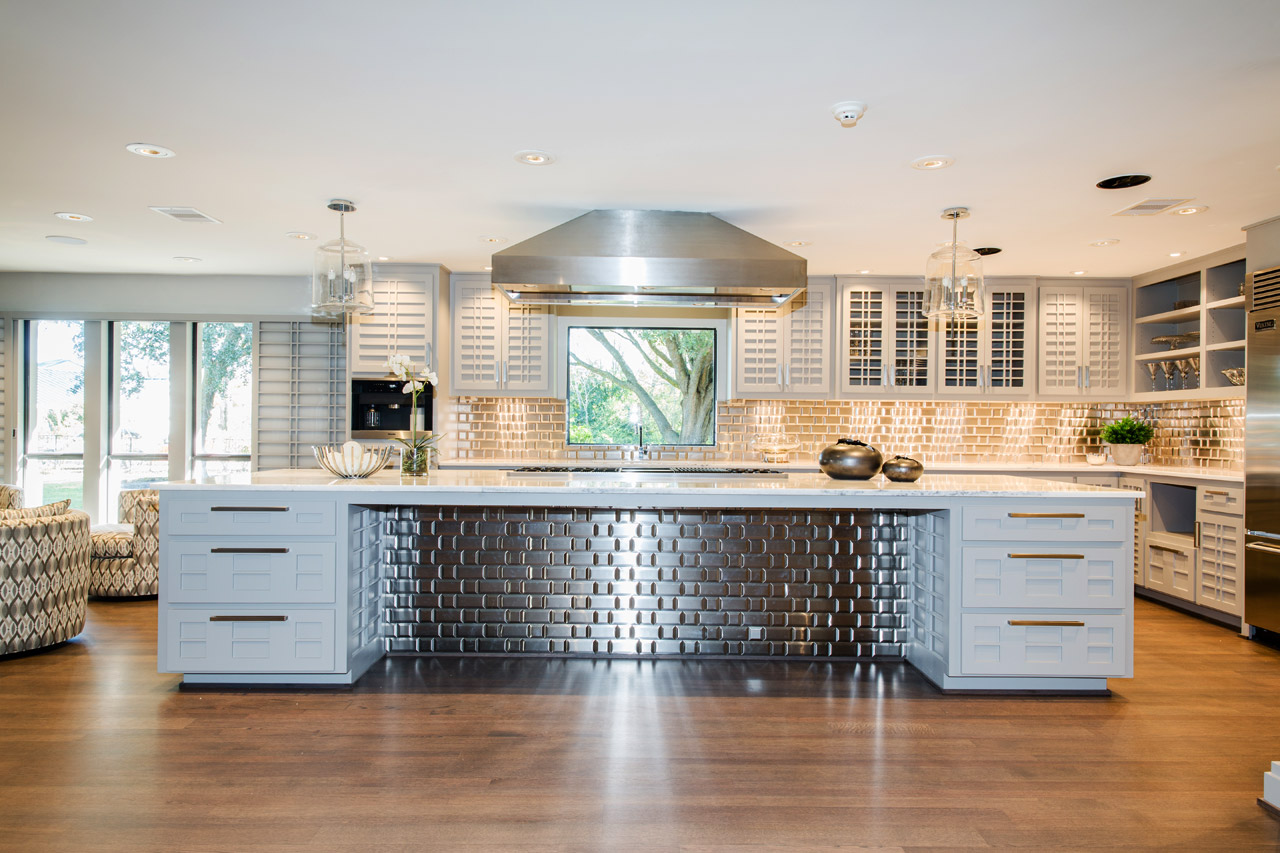
Keeping your interior design timeline on track takes effort from both you and your designer. Your designer manages orders, contractors, and logistics. You manage decisions and approvals. When both sides move fast, the project stays on schedule.
There are five things you can do right now to protect your timeline. Each one is simple. Each one makes a real difference in how fast your project moves from concept to completion.
For inspiration on what a well-executed design project looks like, the Brown Interiors blog shares real project stories, design tips, and behind-the-scenes looks at how the team manages each phase of the interior design timeline.
Make Decisions Quickly and Stick to Them
Slow decisions are the number one cause of timeline delays. Every time you ask to revisit a selection, the clock resets on that item. Your designer has to go back, pull new options, and wait for your approval again. This adds days or weeks to your interior design timeline.
Set a decision deadline for yourself. When your designer presents options, give feedback within 48 hours. If you need more time, say so upfront. Your designer can plan around a known delay. An unknown delay is harder to manage.
Trust your designer’s expertise. They know your style, your budget, and your goals. Their recommendations are based on experience. Second-guessing every selection slows the project and rarely improves the outcome.
Avoid Scope Changes After Approval
Scope changes after design approval are the second biggest cause of timeline delays. Adding a room, changing a finish, or switching furniture after orders are placed creates a cascade of problems. Orders get cancelled. New orders get placed. Lead times reset.
If you want to make a change, talk to your designer first. They will tell you exactly how the change affects your interior design timeline and your budget. Sometimes a small change has a big schedule impact. Knowing this upfront helps you decide if the change is worth it.
The best time to make changes is during the design development phase, before anything is ordered. After approval, every change costs time and often money. Plan carefully upfront and you will avoid most of these issues.
What This Means for You: Your interior design timeline is not just a schedule. It is a roadmap for your project. When you understand each phase, you make better decisions. You respond faster to your designer. You avoid the changes and delays that push projects back by weeks.
Brown Interiors has managed hundreds of design projects across Pearland, Houston, Sugar Land, and the surrounding area. We know what a realistic interior design timeline looks like for every project type. We build that knowledge into every project plan we create.
When you work with a professional designer, you get more than a beautiful space. You get a clear schedule, a managed process, and a team that keeps your project moving from day one to final installation.
The interior design timeline is the backbone of every successful project. It tells you what to expect, when to expect it, and what you need to do to keep things moving. A single room takes 6 to 10 weeks. A whole home takes 4 to 12 months. New construction runs 8 to 18 months. Every project is different, but every project benefits from a clear plan.
Brown Interiors has spent 30 years helping homeowners and businesses in Pearland and the Houston metro area navigate the interior design timeline with confidence. We handle every phase from consultation to final installation. Ready to get started? Schedule a project planning consultation with Brown Interiors today to discuss your timeline expectations and design vision.
Expert Insight from the American Society of Interior Designers (ASID): A well-structured interior design timeline reduces costly mid-project changes and improves client satisfaction. Designers who establish clear phase schedules at the start of a project report fewer delays, better contractor coordination, and stronger outcomes for both residential and commercial clients. Planning the timeline before design work begins is one of the most effective practices in professional interior design.
Key Takeaway: Your interior design timeline starts at the first consultation and ends at final installation. The biggest factors affecting your schedule are decision speed, product lead times, and contractor availability. Work with an experienced designer, make fast decisions, and avoid scope changes after approval to keep your project on track.
Frequently Asked Questions
How long does a typical interior design timeline take?
A typical interior design timeline runs 6 to 10 weeks for a single room. Whole-home projects take 4 to 12 months. New construction design runs 8 to 18 months. The timeline depends on project scope, decision speed, and product lead times. Your designer will give you a specific schedule after the initial consultation.
What is the longest part of the interior design timeline?
The procurement phase is usually the longest part of the interior design timeline. Furniture orders take 6 to 12 weeks. Custom pieces take 12 to 20 weeks. Window treatments add 4 to 6 weeks. Ordering items as soon as selections are approved is the best way to shorten this phase.
Can I speed up my interior design timeline?
Yes. The fastest way to speed up your interior design timeline is to make decisions quickly. Approve selections within 48 hours of your design presentation. Avoid scope changes after orders are placed. Work with a designer who has established vendor relationships. Fast decisions and early ordering cut weeks off the schedule.
How does renovation work affect the interior design timeline?
Renovation work adds contractor scheduling to the interior design timeline. Contractors in the Houston area book 4 to 8 weeks in advance. Unexpected issues like plumbing or structural problems add more time. A good designer coordinates contractor schedules with design phases to keep the overall timeline as tight as possible.
When should I start planning my interior design timeline?
Start planning your interior design timeline as early as possible. For renovation projects, book your designer 3 to 6 months before your target completion date. For new construction, bring in your designer at the concept phase. Early planning gives you more time for decisions and reduces the risk of costly delays.
Step-by-Step Process
Step-by-Step Interior Design Timeline: From Consultation to Installation
1. Book your initial design consultation with a professional designer
2. Complete the discovery session and share your goals and budget
3. Review and approve the written project proposal and timeline
4. Attend the design presentation and give feedback on selections
5. Approve all furniture, fabric, and finish selections within 48 hours
6. Designer places all orders immediately after your approval
7. Track order status and delivery windows with your designer
8. Schedule contractor work to align with delivery dates
9. Prepare your space for installation day
10. Complete final installation, styling, and project walkthrough
Quick Reference: What Is an Interior Design Timeline?
An interior design timeline is a structured schedule for a design project. It covers every phase from the first consultation to the final installation. The timeline includes design development, product ordering, contractor coordination, and delivery windows. A single-room interior design timeline runs 6 to 10 weeks. A whole-home interior design timeline runs 4 to 12 months. New construction design timelines run 8 to 18 months. The timeline is set at the start of the project. It is managed by your designer throughout. Fast decisions keep the interior design timeline on track. Slow decisions push it back. So, knowing your timeline from day one is the best way to plan your project and hit your target completion date.
Additional Resources
• Design, What We Do — Brown Interiors — Learn how Brown Interiors structures each design phase, from concept development to final installation, for residential and commercial projects.
• Interior Design Blog — Brown Interiors — Explore real project stories, design tips, and behind-the-scenes looks at how professional design timelines come together.
• The Tree House Project — Brown Interiors — See a completed project example that shows how design phases, material selection, and installation work together in a real timeline.
By Deborah Brown, Founder & CEO / Lead Designer · Updated