Your desk faces a blank wall. Your chair creaks by 10 a.m. Your focus drifts before the day even starts. The right home office decor fixes that fast. It turns a spare corner into a space built for real work. Good home office decor blends comfort, style, and function, so your workspace supports you instead of fighting you. That’s the real goal behind smart home office decor choices, not just a nice looking room. At Brown Interiors, we’ve spent years shaping rooms people actually want to work in, and our interior design and home decor services team built this guide around exactly that goal.
So, where do you start? Focus on furniture and layout first, then let color and personal style follow. The OSHA computer workstation guidance confirms that setup and posture affect comfort more than most people expect. Get those basics right, and the rest of your office setup comes together fast.
1. Why Home Office Decor Boosts Focus
2. Choosing Ergonomic Furniture for Your Office
3. Personalizing Your Office Decor and Style
4. Common Office Decor Mistakes to Avoid
5. Layout and Lighting for Home Offices
6. FAQs, Steps, and Quick Reference Guide
Why Home Office Decor Drives Focus and Output
Most people think decor is the last step in setting up a workspace. It’s actually the first. The right home office decor shapes how your brain reacts to the room the moment you sit down. Clutter signals stress. Cold, bare walls signal boredom. But a space with warm light, personal touches, and smart furniture invites you to stay on task.
How Workspace Design Affects Focus
Your brain reads a room fast. Bad lighting, an uncomfortable chair, or a wobbly desk all pull attention away from work. So, workspace design matters more than most people realize. Poor posture and repetitive strain also build up over a full workday. The NIOSH ergonomics guidance explains how simple furniture changes lower fatigue and injury risk during long work sessions. Fix the setup, and focus follows naturally. Most importantly, small changes add up fast. A better chair height or a monitor raised to eye level can cut strain within days.
The Link Between Decor and Motivation
Decor also drives motivation. A wall you like looking at keeps you sitting longer. Photos, art, or a favorite color scheme give your mind something pleasant to return to between tasks. Also, personal touches lower stress during long projects. That matters on tough days. Plus, a well styled office space tells your brain this is where work happens. That signal builds routine faster than a bare corner ever could.
Key Takeaway: A productive workspace starts with decor, not just furniture. Comfortable seating, smart storage, warm light, and personal touches lower stress and sharpen focus. Home office decor sets the tone for every workday, so treat it as a first step, not an afterthought. Small upgrades, like a better chair or added shelving, add up to real gains in output.
Ergonomic Furniture for a Productive Home Office

Furniture is the backbone of good home office decor. Even the prettiest room fails if the chair hurts your back by noon. So, before you pick colors or art, get the furniture right. Comfort keeps you at your desk. Support keeps you there without pain.
Choosing the Right Desk and Chair
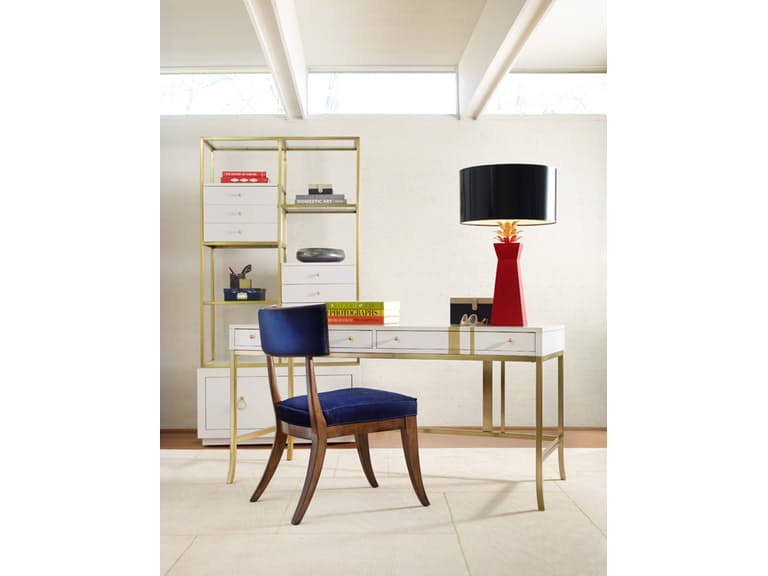
Start with your desk height and chair support. Your elbows should sit at a right angle when you type. Your feet should rest flat on the floor. If your current chair fails that test, replace it first. Then, add a desk with enough depth for your monitor and keyboard. Our design and space planning services help you pick pieces sized right for your room, not just pieces that look nice in a catalog. Because a desk that’s too shallow forces bad posture no matter how it looks.
Storage That Keeps Office Decor Tidy
Clutter kills focus fast. So, build in storage before you decorate the walls. A closed cabinet hides cords and paperwork. Open shelving displays books and personal items without crowding your desk. Also, a rolling cart adds flexible storage you can move as your work changes. Most importantly, keep your desktop clear enough to work on, not just stare at. A tidy desk supports the calm, focused mood that good home office decor is meant to create.
Personalize Your Office Decor to Match Your Style
Your home office should look like you, not a hotel lobby. So, once furniture and layout are set, bring in color, texture, and personal items. That’s where work from home decor starts to feel less like an obligation and more like a space you enjoy. Personal style and function can work together without fighting each other.
Color Choices That Support Concentration
Color affects mood more than people expect. Soft blues and greens tend to calm a busy mind. Warm neutrals feel steady and grounded through a long day. Bright accent colors work well in small doses, like a lamp or a chair cushion. Also, good airflow and natural light support that calm feeling. The EPA’s indoor air quality guidance notes that fresh air and light both affect comfort and alertness indoors. Open a window when you can. A few live plants help too, and they add color without any paint at all.
Adding Personal Touches Without Clutter
Personal items matter, but keep them purposeful. One shelf of books, a framed photo, or a plant near your monitor adds warmth without crowding your desk. Then, rotate items every few months to keep the space feeling fresh. Office decorating ideas work best in small doses. Too many objects create visual noise, and visual noise pulls focus away from your screen. Pick a few pieces you love, and let the rest of the room stay simple.
Pro Tip: Pick one accent color and repeat it three times in the room, on a chair, a frame, and a small object. That simple rule ties your home office decor together fast without a full redesign, and it works in almost any layout or budget.
Common Mistakes in Office Decor Planning
Even careful planners make a few common errors. Most mistakes come from rushing the layout or skipping the basics to focus on style first. Fix these early, and your home office decor holds up for years instead of needing a redo every season.
Overlooking Lighting and Glare
Bad lighting ruins good decor fast. Overhead light alone often causes screen glare and eye strain. So, add a desk lamp with warm, adjustable light near your keyboard. Position your monitor away from direct window glare too. Our design inspiration blog covers lighting layouts room by room, including small home offices with limited natural light. Then, test your setup at different times of day before you commit to a final layout.
Ignoring Cord and Cable Clutter
Cords under a desk look messy and cause real safety risks. So, run cables through a tray or sleeve mounted under the desktop. Label power strips so you know what plugs into what. Also, keep chargers and cords off the floor where they become a trip hazard. A clean cable setup makes your whole home office decor look more finished, even on a tight budget.
Common Mistake to Avoid: The biggest mistake is choosing decor before testing function. A gorgeous room with poor lighting or a bad chair still fails at its main job. Test comfort and workflow first. Then, layer in color, art, and personal touches once the working parts of the room truly work.
Layout and Lighting Tips for Office Decor
Layout ties every other decision together. Even great furniture and colors fall flat in a room that’s arranged badly. So, plan your layout before you buy a single accent piece. Think about how you move through the room during a normal workday.
Planning a Layout That Flows
Face your desk toward the door or a window when you can. That small choice reduces the startled feeling of someone appearing behind you. Also, leave enough space to stand and stretch between tasks. Movement breaks support mental stamina during long stretches of screen time. The APA’s healthy workplace resources point to regular movement and a sense of control over your space as factors linked to lower stress at work. A clear walking path does more for your day than most people expect.
Natural and Task Lighting Together
Layer three types of light: overhead, task, and accent. Overhead light fills the room. A task lamp lights your keyboard and papers. Accent light, like a small lamp on a shelf, adds warmth after dark. Most importantly, match your bulbs’ color temperature across all three so the room doesn’t feel mismatched. Natural light still beats any bulb, so keep your desk near a window when your layout allows it.
What This Means for You: A well planned layout means fewer distractions and less physical strain across a normal workday. When your home office decor supports how you actually move and work, you spend less energy fighting the room and more energy on the task in front of you. That shift shows up in output within the first few weeks of a redesign.
Great home office decor is not about trends. It’s about building a room that supports how you actually work, from your chair height to your wall color. Start with function: furniture, layout, and light. Then, layer in the personal touches that make your office feel like yours. Get those steps right, and your home office decor keeps paying off in focus and comfort long after the paint dries.
Ready to turn your workspace into a room that works the way you do? Explore furniture and decor pieces sized right for a home office, then create your ideal home office decor with a productivity focused design consultation. Call Brown Interiors, and let’s build a workspace that earns its keep every single day.
Expert Insight from Brown Interiors: Good furniture is not a luxury add on, it is the foundation of a workspace that actually works. When we design a home office, we start with how someone sits, reaches, and moves through the room all day. Decor comes after comfort. Get the ergonomics right first, and the rest of the room falls into place faster, notes the team at Brown Interiors.
Frequently Asked Questions
What Is Home Office Decor and Why Does It Matter?
Home office decor covers furniture, color, lighting, and layout in your workspace. It matters because a well planned office affects how long you focus and how comfortable you feel during the day. Good office decor lowers distractions, supports posture, and makes remote work feel less like a chore.
How Much Does Home Office Decor Cost to Update?
Costs vary by scope. A few accent pieces and a lamp can run under 200 dollars. A full office redesign with new furniture costs more. Brown Interiors offers flat fee design consultations starting around 100 dollars, so you can plan an office update that fits your actual budget.
What Furniture Works Best for Office Decorating Ideas?
Start with an adjustable office chair and a desk deep enough for your monitor. Add closed storage to hide clutter, and open shelving for personal items. These pieces support comfort and style together. Choose furniture that fits your room’s size first, then match color and texture to your home office.
How Do I Personalize My Office Decor Without Clutter?
Pick a few meaningful items, like one photo, a plant, or a favorite mug. Rotate pieces every few months to keep the office feeling fresh. Limit open shelves to items you use or truly love. That simple habit keeps personal office decor warm without crowding your desk or pulling focus.
Does Lighting Really Affect Home Office Productivity?
Yes, lighting changes focus and mood fast. Poor light causes screen glare and eye strain within an hour. Task lighting near your keyboard, paired with natural light from a window, keeps your home office comfortable through a full day. Better light also makes your office decor look sharper overall.
Step-by-Step Process
Home Office Decor Setup Process
1. Measure your room and mark your main work zone first.
2. Choose an ergonomic desk and chair sized for your space.
3. Set your monitor at eye level to protect your posture.
4. Add task lighting near your keyboard and reading area.
5. Choose two to three colors for walls, fabric, and accents.
6. Install storage for cords, files, and everyday office supplies.
7. Personalize shelves with a few photos, plants, or art pieces.
8. Route and hide cables under your desk with a tray.
9. Test your layout for a full workday before finalizing decor.
10. Refresh accents seasonally to keep your home office decor current.
Quick Reference: What Is Home Office Decor?
Home office decor means the furniture, colors, lighting, and personal items you choose for a home workspace. It covers big pieces, like your desk and chair, and small details, like a lamp or a framed photo. Good decor supports comfort and focus, not just style. So, it blends function with personal taste. Most home offices work best when decor choices follow furniture and layout decisions, not the other way around. In short, home office decor turns any spare room into a real place to work.
Additional Resources
Explore more of our completed spaces on the Brown Interiors design portfolio to see how layout, color, and furniture come together across full home projects.
Walk through a recent interior design project for ideas on blending function and personal style across an entire home, including work spaces.
See how a full home design project balances comfort and structure, with ideas that translate well into a smaller home office.
By Deborah Brown, Founder & CEO / Lead Designer · Updated