Most homeowners feel stuck when they look at a room that just does not work. The furniture is fine. The paint is fine. But something feels off. A room by room interior design approach fixes that problem directly. Instead of guessing, you work through each room with a clear plan. You make decisions that fit your lifestyle, your budget, and your home as a whole.
At Brown Interiors, Deborah and her team have used room by room interior design for over 30 years. They serve homeowners across Pearland, Houston, Sugar Land, and the surrounding Texas metro. This guide walks you through the room by room design process from start to finish. You will learn how to plan each room, pick the right pieces, and create a home that actually feels like yours. The room design principles covered here apply whether you are updating one space or redesigning your entire home.
1. What room by room interior design actually means
2. How to start your room by room design plan
3. Room by room design for living and family rooms
4. Kitchen and dining room design decisions
5. Bedroom design in a room by room approach
6. Pulling your room by room design together
What room by room interior design actually means
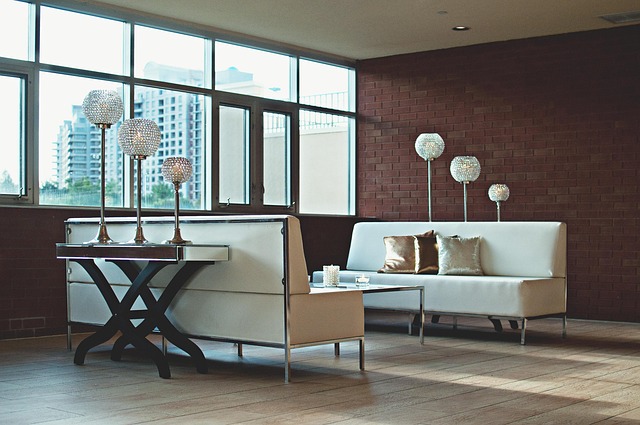
Room by room interior design is a method. You focus on one room at a time. Each room gets its own plan, its own budget, and its own design decisions. But the rooms still connect to each other visually. That is the key difference between random decorating and real room by room design.
Many people decorate reactively. They buy a sofa they like. Then they buy a rug that does not match. Then they wonder why the room feels scattered. Room by room interior design stops that cycle. You think about each room as a complete unit before you spend a dollar.
Why one room at a time works better
Working room by room keeps your budget in check. You are not trying to fix everything at once. Instead, you finish one room fully before moving to the next. This means you actually see results. A finished room motivates you to keep going.
It also helps you make better decisions. When you focus on one room, you think about how people use that space. You think about traffic flow, lighting, and storage. Those details matter. A room by room interior design plan forces you to think them through before buying anything.
For example, a living room used for movie nights needs different furniture placement than one used for entertaining guests. Room by room design accounts for that. You plan around real life, not around a catalog photo.
How rooms connect in a whole-home design
Even though you work room by room, the rooms still need to feel connected. This is where a consistent color palette helps. You pick two or three base colors that run through the whole home. Each room can have its own accent color, but the base stays the same.
Material choices also connect rooms. If you use wood tones in the living room, carry that wood tone into the dining room. It does not have to be identical. But it should feel related. That visual thread is what makes a home feel designed rather than assembled.
See how Brown Interiors handles this in their modern traditional design projects — the connection between rooms is always intentional.
Room by room interior design is not about isolating each room. It is about giving each room a focused plan while keeping the whole home visually connected. Start with a shared color palette and consistent materials. Then build each room’s individual character from there.
How to start your room by room design plan
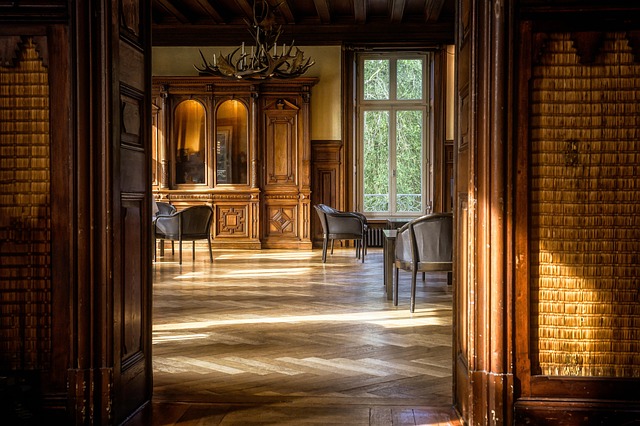
Before you touch a single room, you need a starting plan. This is where most homeowners skip a step and pay for it later. A good room by room interior design plan begins with three things: a priority list, a budget range, and a style direction. Get those three things clear first.
Your priority list tells you which room to start with. Most designers recommend starting with the room you use most. For many families, that is the living room or kitchen. But if your bedroom is affecting your sleep and your mood, start there. The room that bothers you most is usually the right place to begin your room by room design work.
Setting a realistic room design budget
Budget is the part most people get wrong. They either spend too much on one item and run out of money, or they buy cheap pieces that need replacing in two years. A room by room interior design budget should cover furniture, lighting, window treatments, and accessories. Do not forget installation costs.
A general rule: allocate more budget to pieces you use every day. A sofa gets used daily. A decorative vase does not. So spend more on the sofa. This thinking applies room by room. In the bedroom, spend more on the mattress and bed frame. In the kitchen, spend more on functional storage and lighting.
According to HUD home improvement guidance, thoughtful interior planning before spending reduces costly changes later. That is exactly what room by room design does for you.
Choosing a style that works room by room
Style direction does not mean picking one rigid category. You do not have to be fully contemporary or fully traditional. Most homes work best with a primary style and one complementary style. For example, contemporary with warm wood accents. Or traditional with cleaner, simpler lines.
The key is to pick your style before you start shopping. When you have a clear style direction, every room by room decision becomes easier. You walk into a furniture store and immediately know what fits and what does not. That saves time and money.
Brown Interiors offers a flat-fee design consultation starting at $100. In that session, you get clear style direction before you spend anything on furniture or materials. That single step prevents most of the design mistakes homeowners make.
Room by room design for living and family rooms
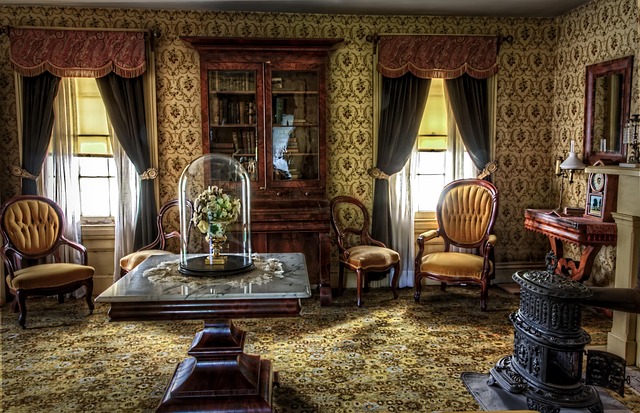
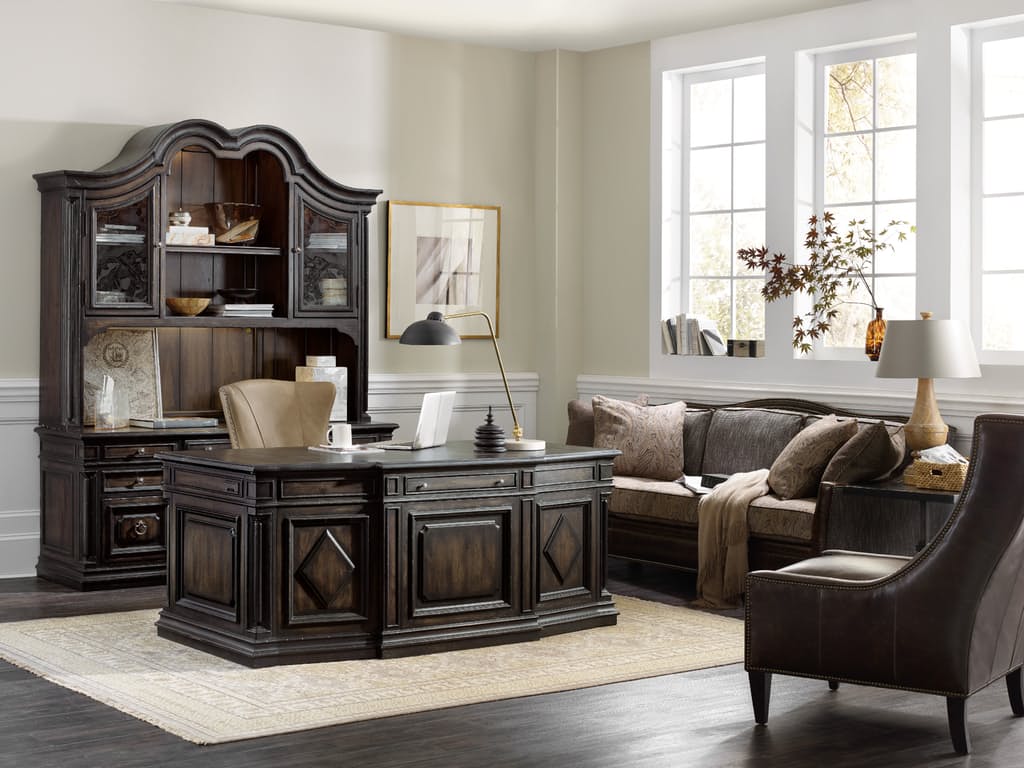
The living room is usually the first room guests see. It is also where your family spends the most time together. So it deserves careful room by room interior design attention. Start with the sofa. It is the largest piece and sets the tone for everything else in the room.
Once you place the sofa, work outward. Add chairs that complement it. Then add a coffee table at the right height — about the same height as your sofa cushions. Next, think about the rug. The rug should be large enough that at least the front legs of all seating pieces sit on it. A rug that is too small makes the room feel disconnected.
Lighting decisions for living room design
Lighting is where most living room designs fall short. One overhead light is not enough. A well-designed living room has three types of light: ambient, task, and accent. Ambient light fills the room. Task light helps you read or work. Accent light highlights art or architectural features.
In a room by room interior design plan, lighting gets its own line item. Floor lamps, table lamps, and sconces all count. Layer them so you can adjust the mood. A dimmer switch on the overhead light gives you even more control. This is a small change with a big impact on how the room feels at night.
For family rooms specifically, think about where the TV sits. Avoid placing it directly in front of a window. Glare makes it hard to watch. Instead, position the TV on a wall with controlled light. Then add lamps on either side to balance the brightness.
Furniture arrangement in family room design
Furniture arrangement is a room by room decision that costs nothing to change. But it makes a huge difference. The most common mistake is pushing all furniture against the walls. This actually makes a room feel smaller, not larger. Pull furniture away from the walls and create a conversation grouping in the center.
Leave at least 18 inches between the sofa and coffee table. Leave at least 30 to 36 inches for main traffic paths. These measurements are not arbitrary. They come from how people actually move through a room. When traffic flows easily, the room feels comfortable.
Brown Interiors provides space planning with detailed drawings as part of their full-service design. That means you see the furniture arrangement on paper before anything is delivered. Check out a real example in their family room design project to see how arrangement transforms a space.
Before buying any living room furniture, tape out the dimensions on your floor with painter’s tape. This shows you exactly how much space each piece takes up. It costs nothing and prevents expensive mistakes. Most people are surprised by how large a sofa actually is once they see it mapped out on the floor.
Kitchen and dining room design decisions
Kitchen and dining room design is where function and style have to work together. These rooms get heavy daily use. So every room by room interior design decision here needs to be practical first, beautiful second. That does not mean boring. It means choosing materials and layouts that hold up over time.
In the kitchen, the work triangle still matters. That is the path between your sink, stove, and refrigerator. Keep that triangle clear of obstacles. When the work triangle is efficient, cooking is easier. When it is blocked by an island or poor cabinet placement, the kitchen frustrates everyone who uses it.
Material choices for kitchen room design
Countertop material is one of the biggest room by room decisions in a kitchen. Quartz is durable and low-maintenance. Marble looks beautiful but requires sealing and care. Butcher block adds warmth but needs regular oiling. Each material has trade-offs. Pick based on how you actually cook, not just how it looks in a showroom.
Cabinet finish is the next big decision. Painted cabinets are popular but show wear over time. Stained wood cabinets hide scratches better. Hardware — the pulls and knobs — seems small but changes the whole feel of the kitchen. Matte black hardware reads modern. Brushed brass reads warmer and more traditional.
For a kitchen remodel in the Houston area, Brown Interiors coordinates directly with contractors. They handle material selection, CAD drawings, and finish plans. That means you do not have to manage multiple vendors yourself. The room by room design process stays organized from start to finish.
Dining room design that fits your life
The dining room is often the most underused room in a home. People design it for formal occasions that happen twice a year. Instead, design it for how you actually eat. If you eat casually most nights, choose a table that works for everyday meals. If you entertain often, invest in a table that expands.
The chandelier or pendant light above the dining table is critical. It should hang 30 to 36 inches above the table surface. Too high and it loses impact. Too low and it blocks sightlines across the table. Get this measurement right before you install anything.
Chair comfort matters more than most people think. You sit in dining chairs for 30 to 60 minutes at a time. An uncomfortable chair ruins the meal. Test chairs before you buy them. Sit in them for at least five minutes. If they feel uncomfortable in the showroom, they will feel worse at home.
Do not choose kitchen or dining room materials based only on photos. Samples look different under your home’s specific lighting. Always bring material samples home before deciding. Hold them next to your cabinets, your flooring, and your wall color. What looks perfect in a showroom can look wrong in your actual kitchen.
Bedroom design in a room by room approach
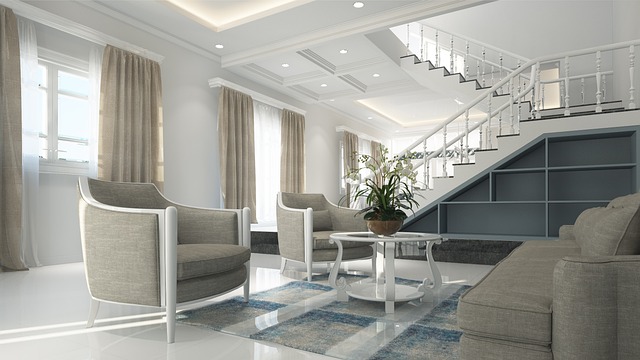
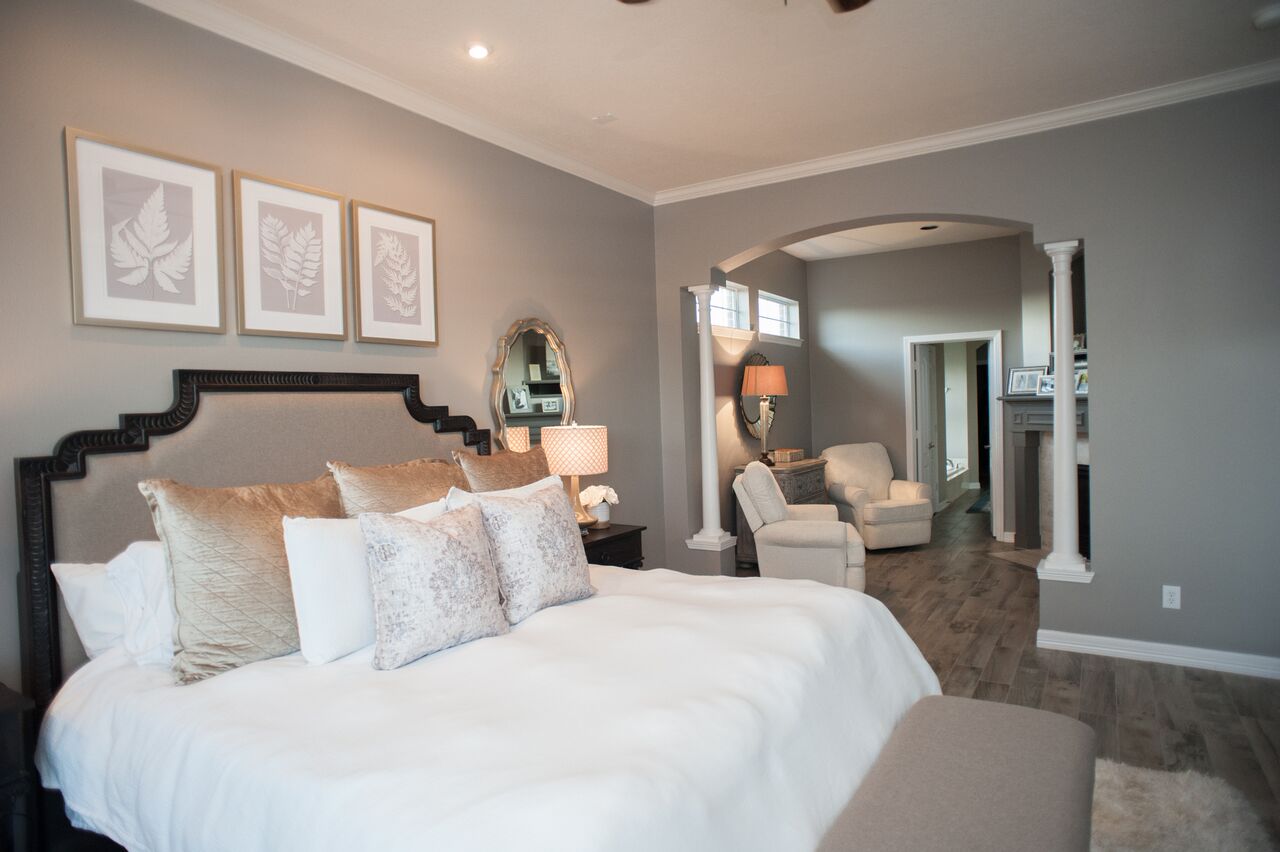
The bedroom is the most personal room in your home. It is where you start and end every day. So the room by room interior design decisions here should reflect what you actually need to rest and recharge. That starts with the bed itself — the size, the frame, and the placement.
Bed placement is the first decision. In most bedrooms, the bed goes on the wall opposite the door. This gives you a clear sightline when you enter. It also leaves room on both sides for nightstands. If your room is small, a platform bed with built-in storage underneath saves space without sacrificing style.
Color and light in bedroom room design
Bedroom color affects sleep quality more than most people realize. Cooler tones — soft blues, greens, and grays — tend to support relaxation. Warmer tones — deep terracotta, warm beige, or muted gold — create a cozy, enveloping feel. Both work well. The choice depends on your personal preference and how much natural light the room gets.
Natural light in a bedroom is a double-edged situation. Morning light is good for waking up. But too much light at night disrupts sleep. Blackout curtains or layered window treatments solve this. You can have sheer panels for daytime privacy and blackout panels for nighttime darkness. Brown Interiors carries custom window treatments through premium vendors including Hunter Douglas, so you get the right fit for your specific windows.
For more bedroom design ideas, the bedroom face lift project at Brown Interiors shows how small changes create big results without a full renovation.
Storage solutions in bedroom design
Storage is a room by room problem that hits hardest in the bedroom. Closets fill up fast. Dressers overflow. The room starts to feel cluttered, and clutter makes it harder to relax. So storage planning is not optional in bedroom design — it is essential.
Built-in closet systems are the most efficient use of space. They use every inch of the closet, including vertical space near the ceiling. If built-ins are not in the budget, a well-chosen dresser and a few baskets can do a lot. The goal is a place for everything so the room stays clear.
Nightstand height matters too. Your nightstand should be the same height as your mattress top, or within two inches. This makes it easy to reach your phone, your water, or your book without sitting up. It is a small detail, but it affects how comfortable the room feels every single night.
A room by room interior design approach gives you control. You do not have to redesign your whole home at once. You pick the room that matters most right now. You make a plan. You execute it well. Then you move to the next room. Over time, your whole home improves — room by room, decision by decision. The result is a home that actually fits your life, not just a home that looks good in photos. That is the real goal of room by room design.
Room by room interior design works because it is focused. You are not trying to fix everything at once. You are making smart, deliberate decisions in each room — decisions that reflect how you live, what you need, and what you love. That focus is what separates a designed home from a decorated one.
If you are ready to start your room by room design project in the Pearland or Houston area, Brown Interiors is the right place to begin. Deborah and her team have 30 years of experience guiding homeowners through exactly this process. Call 281-412-5305 or visit the showroom at 2640 E Broadway St STE 102, Pearland, TX 77581. You can also explore the full range of design services at Brown Interiors design services to find the right starting point for your home.
The biggest mistake I see homeowners make is trying to design the whole house at once. They get overwhelmed and end up making rushed decisions they regret. When you work room by room, you give each space the attention it deserves. You think about how you actually use that room. You choose pieces that fit the space and your life. That is how you get a home that feels right every single day — not just on the day the furniture arrives.
Room by room interior design is the most practical way to improve your home. It keeps your budget manageable, your decisions focused, and your results visible. Start with the room you use most. Make a plan before you buy anything. And keep a consistent color palette and material thread running through every room so the whole home feels connected.
Frequently Asked Questions
What is room by room interior design?
It is a method where you plan and design one room at a time. Each room gets its own budget, layout, and style decisions. But the rooms still share a consistent color palette and material thread. This keeps the whole home feeling connected while giving each room focused attention.
Which room should I design first in a room by room plan?
Start with the room you use most or the one that bothers you most. For most families, that is the living room or kitchen. If your bedroom is affecting your sleep, start there instead. The room that impacts your daily life most is the right first room to tackle.
How do I keep a consistent style across rooms in room by room design?
Pick two or three base colors that run through every room. Then choose consistent materials — like a shared wood tone or metal finish. Each room can have its own accent color and personality. But those shared elements create a visual thread that ties the whole home together naturally.
How much does room by room interior design cost in the Houston area?
Costs vary by room size, scope, and materials. Brown Interiors offers design consultations starting at $100 per session. That flat fee covers style direction and initial planning for your room. Ongoing design support runs $100 per hour. Full-service room design includes space planning, furniture selection, and contractor coordination.
Can room by room interior design work for a whole-home renovation?
Yes. Room by room design works for single rooms and full homes. When doing a whole-home renovation, designers still plan room by room. They establish the overall style and palette first. Then each room gets its own detailed plan. This keeps decisions manageable and results consistent throughout the entire home.
Step-by-Step Process
Step-by-Step Room by Room Interior Design Process
1. List every room and rank by priority
2. Set a total budget and split it by room
3. Choose your primary style and two to three base colors
4. Measure each room and note windows, doors, and outlets
5. Create a furniture layout on paper before buying
6. Select anchor pieces first — sofa, bed, or dining table
7. Choose lighting for ambient, task, and accent needs
8. Pick window treatments that fit both light control and style
9. Add rugs, art, and accessories last to complete each room
10. Review each finished room before moving to the next
Quick Reference: What Is Room by Room Interior Design?
Room by room interior design is a focused design method. You plan and complete one room at a time. Each room gets its own layout, budget, and style decisions. But all rooms share a consistent color palette and material choices. So the home feels connected, not random. This method works for single-room updates and full-home redesigns. It keeps decisions manageable and results visible at every stage. Brown Interiors uses this approach for residential clients across the Houston metro area.