As of September 8, 2026, new Federal Reserve research shows that tariffs have pushed furniture prices, appliance costs, and construction material prices up faster than nearly any other consumer category, with no matching gain in domestic manufacturing jobs. Inman Real Estate News first reported the findings on September 3, 2026, in its analysis of tariffs and rising housing costs. The research adds detail to a trend furniture retailers and contractors have felt for months: tariffs furniture prices keep climbing, and the increases show no sign of leveling off.
1. What Changed: Tariffs Furniture Prices
2. Who Is Affected By Rising Furniture Costs
3. What To Do Now About Furniture Costs
4. How Brown Interiors Can Help
5. What This Means For Homeowners
6. Frequently Asked Questions
What Changed: Tariffs Furniture Prices and Materials Costs
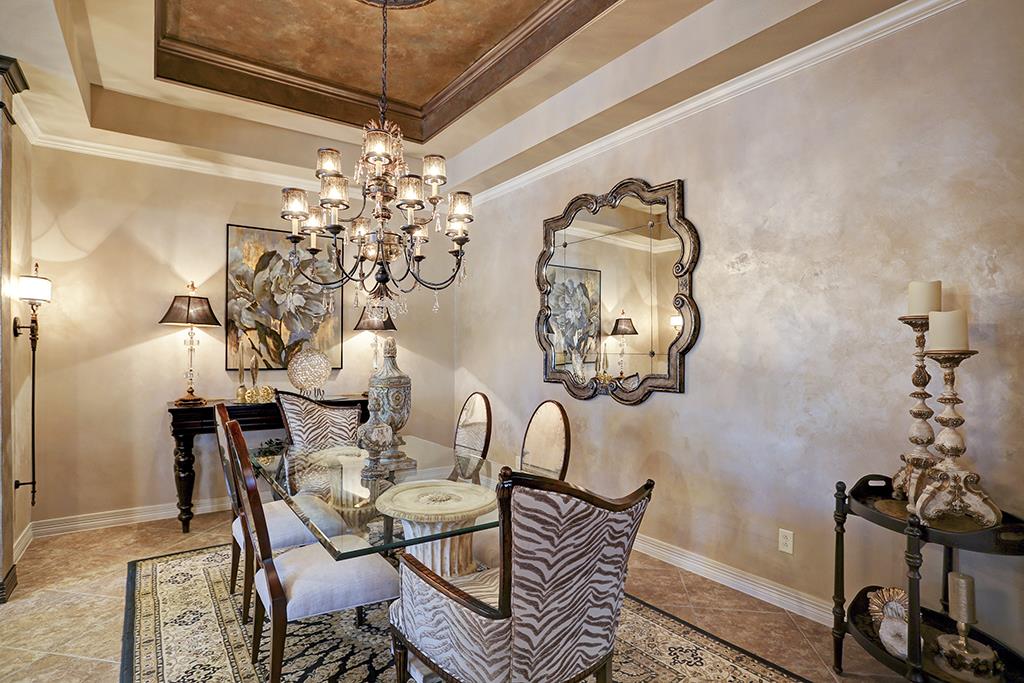
The Fed’s research, as described by Inman, tracked price data across consumer categories after recent tariff rounds. Furniture, home appliances, and construction materials showed the sharpest increases of any goods measured. Importantly, the report found no offsetting rise in U.S. manufacturing jobs tied to those price gains.
That detail matters for anyone doing interior design cost planning, since material pricing feeds directly into a project’s total cost. Inman’s report does not specify exact percentage increases or a data cutoff date beyond its September 3, 2026 publication, so we won’t restate numbers the source didn’t provide.
Furniture and Appliances Lead the Increase
Furniture and major appliances top the list of goods affected by tariffs, according to the Fed research cited by Inman. Retailers sourcing from overseas manufacturers are absorbing higher landed costs on these items.
Construction Materials Face the Same Pressure
Lumber, hardware, and other building materials tracked in the same research also show tariff-driven cost increases. Contractors buying these materials for remodels or new builds face the same upward pressure as furniture buyers.
Key Takeaway: The Fed’s research confirms what furniture buyers and contractors have already noticed: tariffs are raising costs on furniture, appliances, and construction materials, and that added cost is not creating new manufacturing jobs to offset it. Inman ties the pattern directly to tariff policy, not general inflation.
Who Feels Higher Furniture Prices Now
Three groups feel this most directly. Furniture retailers pay more to stock inventory sourced overseas. Contractors and builders pay more for lumber, hardware, and other tariffed materials, which is part of why more homeowners ask how designers work with contractors on managing project budgets.
And homeowners planning a remodel or furniture purchase absorb both increases at checkout. Inman’s report frames these as the categories the Fed data singles out, not a broader claim about every consumer good.
Furniture Retailers and Buyers
Retailers that import furniture or components see landed costs rise first. Those costs typically pass through to shelf prices within a purchase cycle or two.
Contractors and Home Builders
Builders and remodeling contractors buying construction materials face the same tariff pressure. Material costs affect bids and project budgets before a single wall goes up.
What To Do Now About Rising Furniture Costs
Inman’s report does not predict when tariffs might ease, so plan around current conditions rather than a future rollback. Furniture buyers should expect prices to hold steady or rise, not fall, in the near term.
Contractors should confirm material pricing with suppliers before finalizing project bids. You can review the Federal Reserve’s economic research directly if you want the source data behind Inman’s reporting. Retailers should also review sourcing agreements now, since the data points to sustained pressure, not a short-term spike.
Time Furniture Purchases Carefully
If a purchase is already planned, moving forward sooner may lock in today’s price before the next increase lands.
Confirm Material Costs Before You Bid
Contractors should get updated supplier quotes before submitting bids, since tariff-driven material costs can shift a project’s budget.
Pro Tip: Ask suppliers directly whether a quoted price is tariff-adjusted or subject to change. Locking in a written price, even for a short window, protects your budget from mid-project increases tied to the tariffs furniture prices trend the Fed is now tracking.
How Brown Interiors Can Help With Furniture Costs
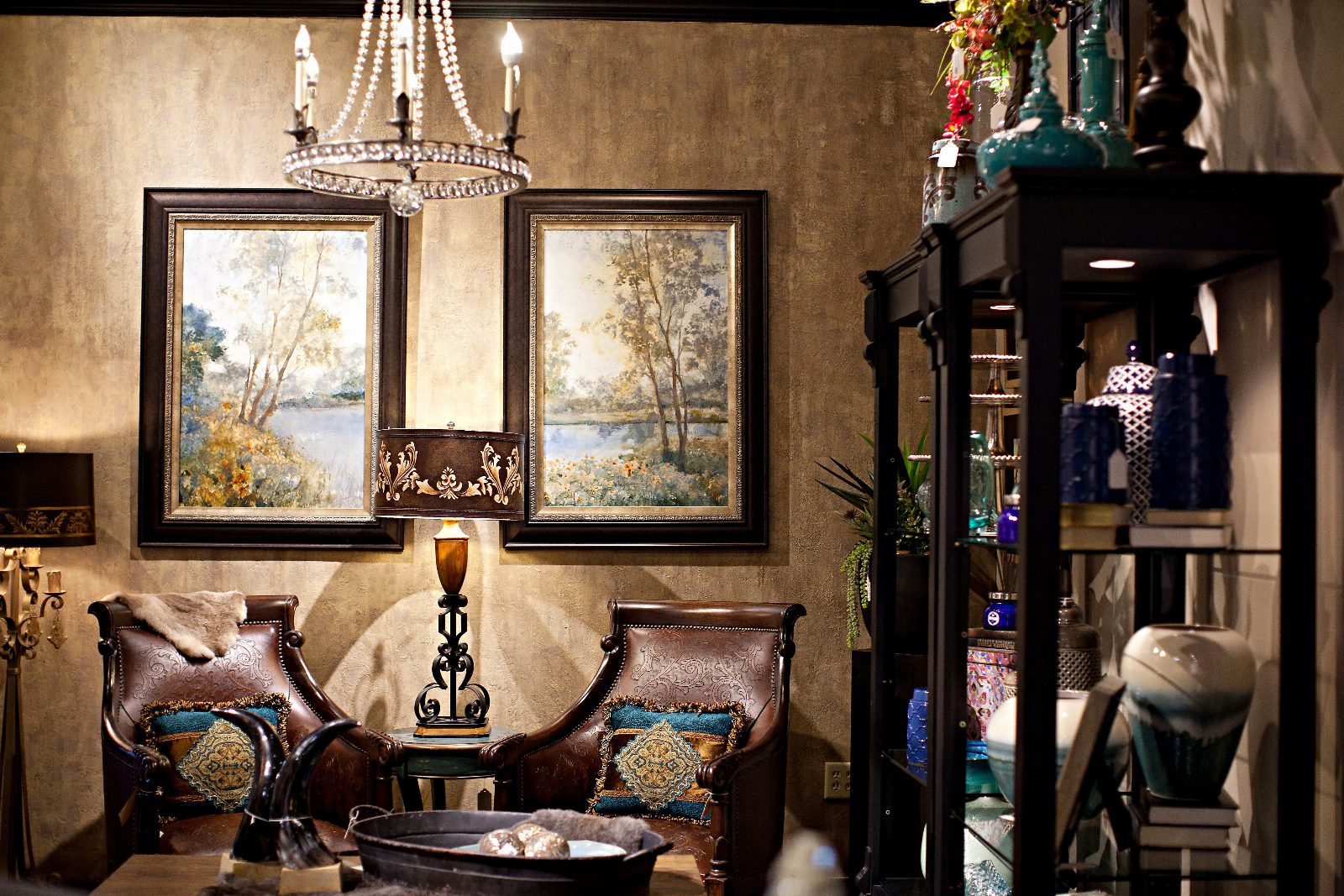
Brown Interiors works with furniture suppliers and contractors every day, so we see tariff-driven pricing shifts as they happen, not months later. If you’re timing a furniture purchase or planning a remodel, we can help you sequence buying decisions around current costs instead of guessing.
The Bureau of Labor Statistics tracks producer price data for materials that lines up with what the Fed research describes, and we watch that data alongside our own supplier pricing.
We Track Supplier Pricing Directly
Because we buy furniture and materials directly, we see cost changes before they show up on a showroom floor. That gives our clients an earlier read on tariffs furniture prices trends.
We Help You Plan Around It
Whether you’re furnishing one room or managing a full remodel budget, we help you decide what to buy now versus what can wait.
Common Mistake to Avoid: The biggest mistake right now is waiting for furniture prices to drop before buying. The Fed’s research gives no reason to expect that. A better approach: get a firm quote today, understand what’s driving the cost, and decide from there instead of guessing at a future price.
What Rising Material Costs Mean for Homeowners

For homeowners, this research is a budgeting signal more than a warning. If a remodel or furniture purchase depends on tariffed materials, build in some cushion before bids come back higher than expected.
Inman’s report ties the increases to tariff policy specifically, not to labor costs or general inflation, so the pressure shows up first in material and furniture line items. Our design planning blog covers more on budgeting a remodel around costs like these.
Furniture Purchases Feel It First
Furniture typically moves faster through a supply chain than a full remodel, so buyers often notice price changes there before a construction bid reflects it.
Material Costs Show Up in Every Bid
Any project using tariffed materials, lumber, hardware, or appliances, carries that cost into the final bid, regardless of labor rates.
What This Means for You: If you have a furniture purchase or remodel on the calendar, treat current pricing as the baseline, not a temporary high. The Fed’s research gives no indication these costs are coming down soon. Build your budget around today’s furniture prices and material costs, confirm quotes before you commit, and loop in your contractor or designer early.
Tariffs furniture prices are not leveling off, based on the Fed research Inman reported this month. Furniture, appliances, and construction materials are absorbing the steepest cost increases of any category tracked, and that pressure is not creating new manufacturing jobs to balance it out. For furniture buyers, that means holding off is unlikely to save money. For contractors, it means material budgets deserve a second look before every bid.
If you’re planning a furniture purchase or a remodel and want help sequencing it around current pricing, visit Brown Interiors to start the conversation. We work with buyers and contractors every day who are navigating exactly this kind of cost pressure, and we can help you plan around it rather than react to it.
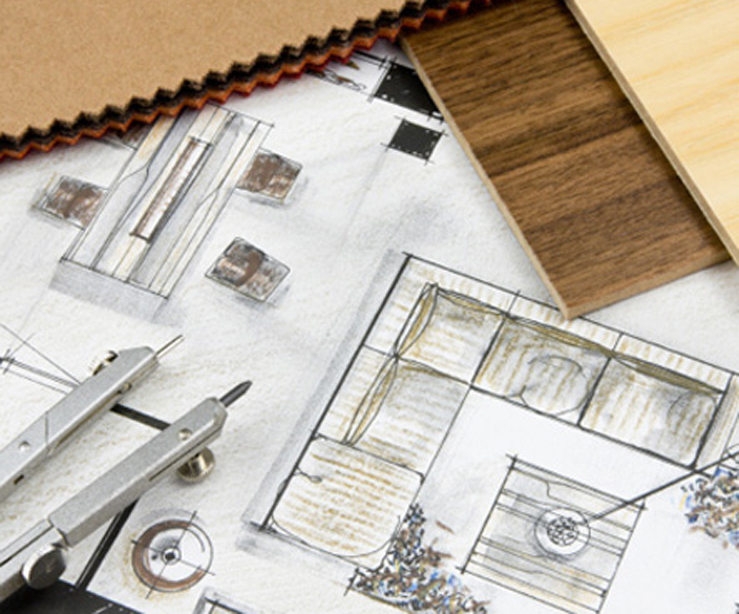
Client Feedback from Bradley Scott, Google Review: Really happy with Brown Interiors! They gave us all the plans and CAD drawings we needed for our new construction, which made things so much easier with our contractor. They’re awesome!
Key Takeaway: Tariffs are driving up furniture prices and construction material costs, per new Federal Reserve research, with no new manufacturing jobs to offset the increase. Buyers and contractors should plan for continued cost pressure and confirm pricing early, rather than wait for rates to fall.
Frequently Asked Questions
What did the Fed find about tariffs furniture prices?
New Federal Reserve research, reported by Inman on September 3, 2026, found that tariffs have raised furniture prices, appliance costs, and construction material costs more than most other goods. The report found no matching rise in manufacturing jobs tied to those increases.
Which construction materials are affected by these tariffs?
Inman’s report on the Fed research points to construction materials broadly, without naming a specific list beyond furniture and appliances. Contractors buying lumber, hardware, and other building materials should expect the same tariff-driven cost pressure the research found in furniture pricing.
How does this affect furniture prices for buyers?
Furniture prices are among the categories hit hardest by tariffs, per the Fed data Inman cited. Buyers planning a furniture purchase should expect prices to hold steady or rise, since the research found no sign the pressure is easing.
Will tariffs on furniture and materials go away soon?
Inman’s report does not say when or whether these tariffs might change. We’re not speculating on future policy here. Plan around today’s furniture prices and material costs rather than waiting for a rollback the source hasn’t described.
What should contractors do about rising material costs?
Contractors should confirm current material pricing with suppliers before finalizing a bid. Tariffs are adding cost to construction materials now, according to the Fed research, so a quote from last month may already be out of date.
Step-by-Step Process
Step-by-Step: Responding to Rising Tariffs Furniture Prices
1. Read the Fed’s tariffs furniture prices findings from Inman.
2. Note which categories are hit hardest: furniture, appliances, materials.
3. Check current pricing on any planned furniture purchase.
4. Ask suppliers if quoted prices are tariff-adjusted.
5. Request updated material quotes before submitting contractor bids.
6. Compare today’s furniture prices against last quarter’s costs.
7. Lock in pricing in writing where a supplier allows it.
8. Sequence big purchases sooner rather than waiting for drops.
9. Talk to your designer or contractor about budget impact.
10. Revisit pricing again if new tariff news breaks.
Quick Reference: What Is Driving Tariffs Furniture Prices?
Tariffs furniture prices refers to the rise in furniture, appliance, and construction material costs tied to recent tariff policy. Federal Reserve research found these categories rose faster than most other goods. The research also found no matching increase in manufacturing jobs. That means the added cost is not funding new domestic production. Furniture retailers, contractors, and homeowners feel this pressure most directly.
Additional Resources
Browse a completed project like The Tree House to see how furniture and material choices come together on a real budget.
Our Mexico House project shows how sourcing decisions affect furniture cost and timeline on a real remodel.
Read the Women in Business feature on Brown Interiors for background on the team behind these sourcing and design decisions.
Reviewed by Deborah Brown, Founder & CEO / Lead Designer · Updated

About the author
Deborah Brown
Founder & CEO / Lead Designer
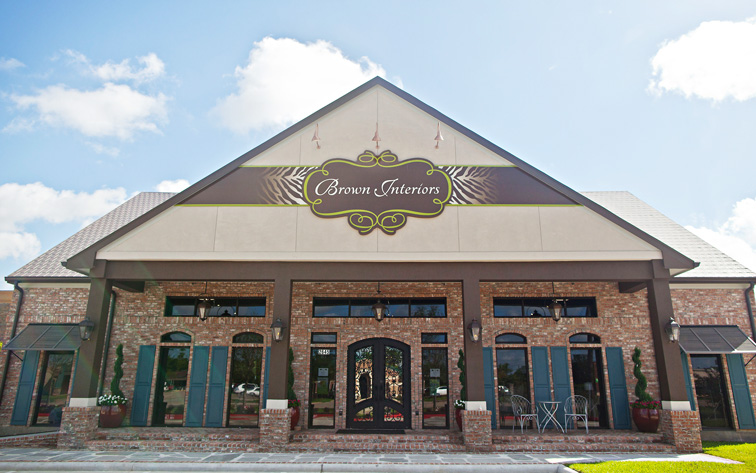
Deborah Brown is the Founder & CEO and Lead Designer of Brown Interiors, a full-service interior design firm in Pearland, Texas. She leads residential and commercial design projects across the Houston area, including space planning, furniture selection, and renovation and remodeling services. Brown completed her formal interior design studies in 1995 and has worked in the field for 30 years. She has also served as Past President of the Board for the Pearland Neighborhood Center. Brown Interiors' showroom is located at 2640 Broadway St, Suite 102, Pearland, Texas.