You want your home to look great. But interior design for home renovations can feel overwhelming fast. Where do you start? What do you spend money on? How do you make sure the final result actually looks like what you imagined?
These are real questions. And they deserve real answers.
At Brown Interiors, Deborah and her team have handled interior design for home renovations across the Houston metro for 30 years. They have worked on kitchens, bathrooms, family rooms, and full-home remodels. This guide pulls from that experience. It covers every step of the renovation design process — from setting a budget to picking finishes to working with contractors. By the end, you will know exactly how to approach your home renovation with confidence. According to the U.S. Department of Housing and Urban Development, planned home improvements increase both comfort and long-term property value. Good interior design makes that investment count.
1. What interior design for home renovations actually means
2. How to set a realistic renovation design budget
3. Choosing the right design style for your home
4. Working with an interior designer on your renovation
5. Room-by-room renovation design tips
6. Common renovation design mistakes and how to avoid them
What interior design for home renovations actually means
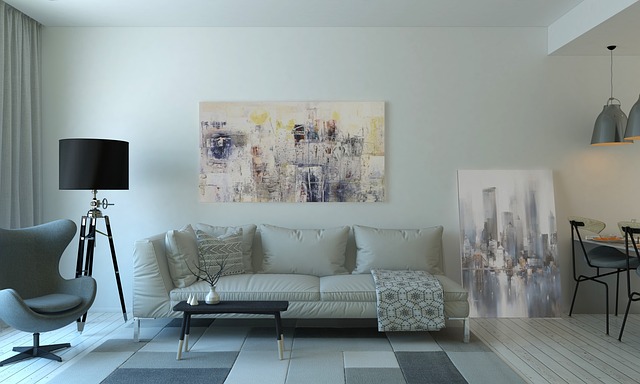
A lot of people think renovation is just about construction. Tear out the old stuff. Put in new stuff. Done. But interior design for home renovations goes much further than that.
Design is the plan behind the project. It decides what materials go where. It controls how light moves through a room. It determines whether your new kitchen feels open or cramped. Without a design plan, most renovations end up looking patchy — new cabinets that clash with old floors, fresh paint that fights with the furniture.
Interior design for home renovations connects every decision. It ties the structural work to the aesthetic choices. It makes sure the contractor, the furniture, and the finishes all point in the same direction.
Design vs. decorating in a renovation
Design and decorating are not the same thing. Design happens before construction starts. It covers space planning, traffic flow, structural changes, and material selection. Decorating happens after. It covers furniture, accessories, art, and textiles.
In a home renovation, you need both. The design phase sets the foundation. The decorating phase brings the space to life. Skipping the design phase is one of the most expensive mistakes homeowners make. You end up making decisions on the fly, and those decisions cost more to fix later.
A good interior designer handles both phases. They plan the space before the first wall comes down. Then they select the pieces that complete the room after construction wraps up.
Why renovation design needs a clear scope
Scope means knowing exactly what you are changing and what you are keeping. This matters more than most homeowners realize. A renovation without a clear scope grows. You start with the kitchen. Then you notice the dining room looks dated next to the new kitchen. So you add the dining room. Then the hallway. This is called scope creep, and it blows budgets.
Interior design for home renovations starts with a defined scope. Your designer helps you decide what stays, what goes, and what gets updated. That decision shapes every other choice in the project. It also keeps your budget from spiraling.
Brown Interiors uses detailed space planning drawings at the start of every renovation project. These drawings lock in the scope before any work begins.
Interior design for home renovations is not just about looks. It is the plan that connects your structural work to your aesthetic goals. Without a design plan, renovation decisions become guesswork. With one, every choice builds toward a finished space that works and looks right.
How to set a realistic renovation design budget
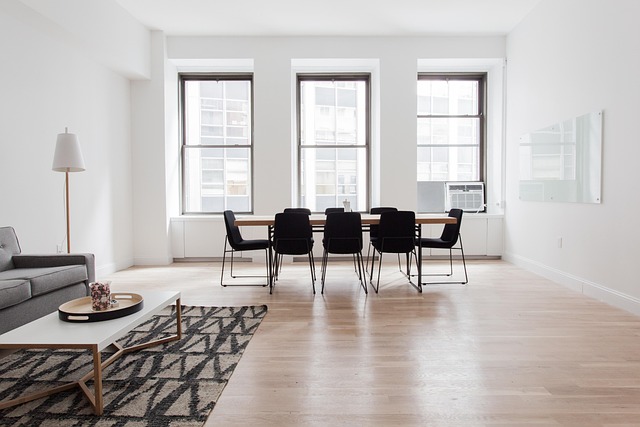
Budget is the first real conversation in any home renovation. Most homeowners underestimate costs. They budget for materials but forget labor. They plan for the work but not the design fees. Then they hit unexpected issues — old plumbing, outdated wiring, structural surprises — and the budget collapses.
A realistic renovation budget has three layers. First, the construction costs. Second, the design and material costs. Third, a contingency fund of at least 15 to 20 percent for surprises. Interior design for home renovations actually helps you spend less overall. A designer catches problems early. They prevent costly change orders mid-project.
For reference, kitchen renovations in the Houston area typically run between $25,000 and $75,000 depending on scope. Bathroom renovations range from $10,000 to $35,000. Full-home renovations vary widely based on square footage and finish level.
Where to spend and where to save
Not every part of a renovation deserves the same budget. Some areas give you the most return. Others are fine with a mid-range investment.
Spend more on: cabinetry, countertops, flooring, and plumbing fixtures. These items get daily use. They affect how the space feels and how long it lasts. Cheap cabinets warp. Low-quality flooring scratches fast. Bargain plumbing fixtures leak.
Save on: decorative hardware, light fixtures, and accessories. These are easy to swap out later. You can start with a mid-range option and upgrade when the budget allows. Interior design for home renovations helps you make these calls with confidence. Your designer knows which products hold up and which ones look good in the showroom but fail in real life.
Brown Interiors has access to industry-only vendors like Bernhardt and Hooker Furniture. That access often means better quality at a lower price than retail.
Design fees and what they cover
Design fees are part of the renovation budget. They are not an add-on. Brown Interiors charges a flat consultation fee of $100 to $250 per session, or $100 per hour for ongoing support. That fee covers expert direction, space planning, material selection, and contractor coordination.
Think of it this way. A designer who catches one bad decision early can save you thousands. A contractor who installs the wrong tile because no one specified the right one costs you the tile, the labor to remove it, and the new tile. Design fees pay for themselves.
For larger renovation projects, the design fee is a small percentage of the total budget. It is one of the best investments in the entire project. The U.S. Department of Energy also notes that planned renovations with professional input tend to include better energy efficiency decisions — which saves money long term.
Choosing the right design style for your renovation
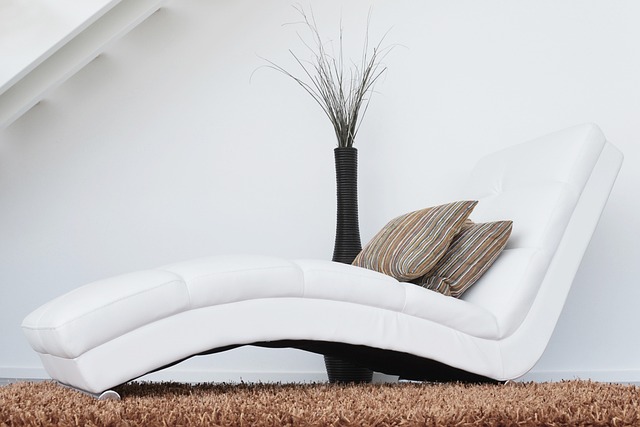
Style is not just about what looks pretty on Pinterest. It is about what works in your actual home. Your home has a specific architecture. It has existing features — trim profiles, ceiling heights, window shapes — that push toward certain styles and away from others.
Interior design for home renovations starts with reading the bones of your home. A 1970s ranch house has different design potential than a 2010 two-story. Forcing a style that fights the architecture creates tension. The space never feels settled.
Brown Interiors specializes in three main styles: Contemporary, Classical, and Mid-century Modern. Each one works well in different home types. Your designer helps you figure out which direction fits your home and your lifestyle.
Contemporary vs. classical renovation design
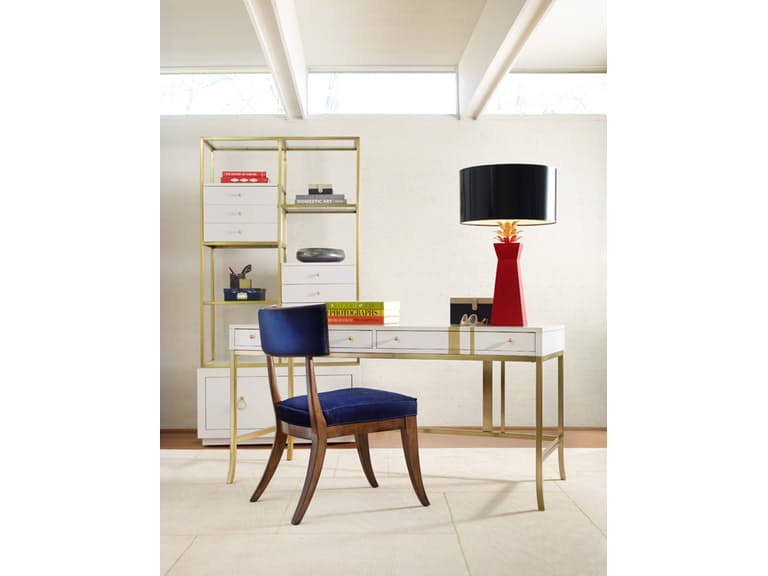
Contemporary design uses clean lines, neutral palettes, and minimal ornamentation. It works well in open-plan homes and newer construction. It is easy to maintain and ages well. But it can feel cold without the right textiles and lighting.
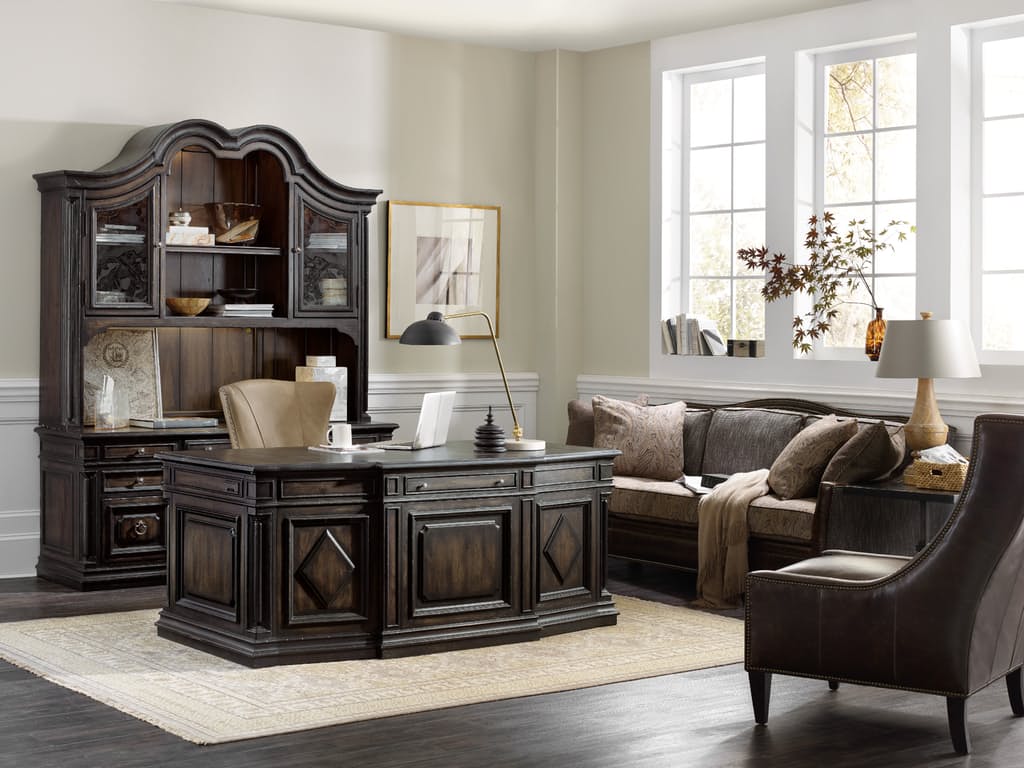
Classical design uses symmetry, detailed millwork, and richer materials. It works well in traditional homes with formal layouts. It feels warm and established. But it requires more investment in quality materials to avoid looking dated.
Most homeowners land somewhere between the two. A mix of clean contemporary lines with classical warmth is one of the most popular renovation directions right now. Your designer helps you find that balance. See how Brown Interiors has applied this approach in the modern traditional design project.
How to build a cohesive color palette
Color is one of the most powerful tools in interior design for home renovations. It connects rooms. It sets mood. It makes small spaces feel larger and large spaces feel more intimate.
A cohesive color palette uses one dominant color, one secondary color, and one or two accent colors. The dominant color covers the most surface area — walls, large furniture. The secondary color appears in upholstery, rugs, and cabinetry. Accents show up in accessories and art.
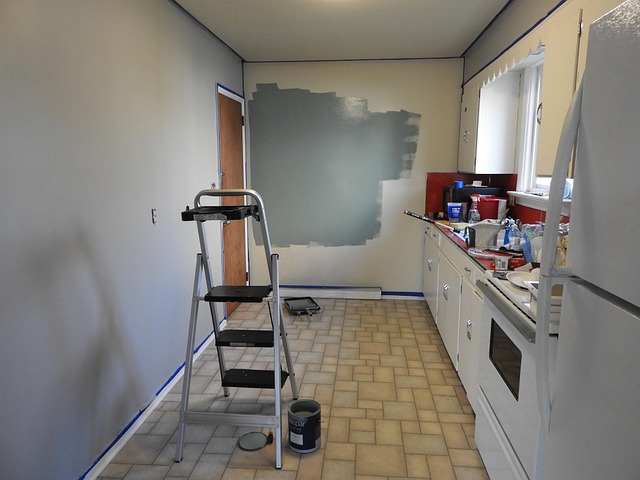
For renovations, always test paint colors on the actual wall before committing. Colors look different under natural light versus artificial light. They also look different next to your specific flooring and cabinetry. What looks perfect on a chip can look wrong on the wall. Your designer knows this and will guide you through proper color testing before any paint goes up.
Before you pick any finish or material, build a physical sample board. Put your flooring sample, cabinet door, countertop chip, and paint swatch all together in the actual room. Look at them under morning light and evening light. This one step prevents the most common and most expensive renovation regret: finishes that looked great separately but clash in person.
Working with an interior designer on your renovation
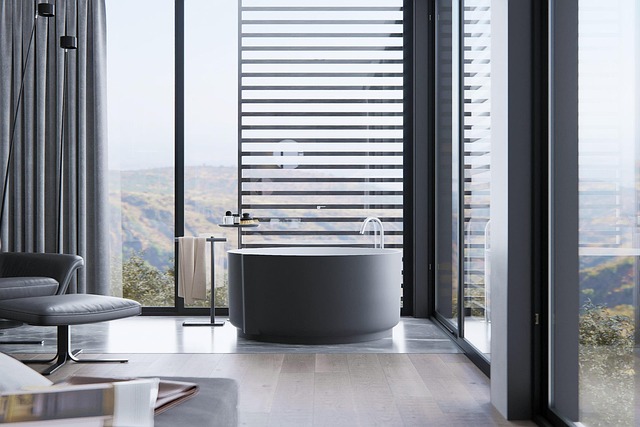
Hiring an interior designer for your home renovation is not about handing over control. It is about getting expert input at every decision point. A good designer listens first. They ask about how you live, what bothers you about the current space, and what you want to feel when you walk in the door.
Interior design for home renovations works best as a collaboration. You bring the vision and the lifestyle knowledge. The designer brings the technical skill, the vendor relationships, and the experience to know what works and what does not.
The process at Brown Interiors starts with a discovery consultation. Deborah and her team assess your space, understand your goals, and build a design direction before any purchasing or construction begins. That upfront work saves time and money throughout the project.
What a designer does during renovation
During a renovation, your interior designer does more than pick pretty things. They create detailed space planning drawings. They specify every material, finish, and fixture so contractors have clear instructions. They coordinate with your contractor to make sure the design intent survives the construction process.
This coordination matters. Contractors are skilled at building. They are not always skilled at interpreting design intent. A designer bridges that gap. They catch issues before they become problems. They make decisions quickly when something unexpected comes up on site.
Brown Interiors handles contractor coordination as part of the renovation design service. That means you have one point of contact managing the design side of the project. You are not stuck in the middle between your designer and your contractor.
How to prepare for your design consultation
Come to your first design consultation with three things. First, photos of spaces you like. Pull them from magazines, websites, or social media. You do not need to explain why you like them. Just bring them. Second, a clear list of what is not working in your current space. Be specific. Not just “the kitchen feels small” but “there is no counter space near the stove and the pantry is on the wrong side of the room.” Third, a budget range. You do not need an exact number. But your designer needs to know whether you are working with $20,000 or $80,000. That shapes every recommendation.
For renovation design inspiration, the Brown Interiors design blog has real project examples from the Houston area. Browse it before your consultation to sharpen your ideas.
Do not hire a contractor before you have a design plan. Many homeowners get contractor bids first, then bring in a designer. But the contractor bids on the wrong scope. When the design changes the plan — and it will — you pay for change orders. Always finalize the design before getting construction bids. It saves money and prevents conflict.
Room-by-room renovation design tips that actually work
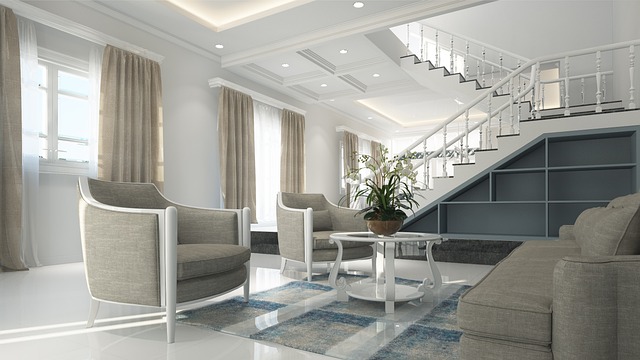
Every room in a home renovation has its own design priorities. What matters most in a kitchen is different from what matters most in a bedroom. Interior design for home renovations requires thinking about each room on its own terms — and then making sure all the rooms connect.
The most common renovation rooms are kitchens, bathrooms, family rooms, and master bedrooms. Each one has specific design decisions that make or break the result. Below are the key considerations for each space.
Kitchen and bathroom renovation design
Kitchens are the most complex renovation rooms. They involve plumbing, electrical, cabinetry, countertops, appliances, and lighting — all in one space. The design decisions in a kitchen renovation are highly interdependent. The cabinet layout determines the appliance placement. The appliance placement determines the electrical and plumbing rough-in. Change one thing and everything shifts.
For kitchen renovation design, start with the work triangle: the relationship between the sink, stove, and refrigerator. This triangle should be efficient. No leg of the triangle should be longer than nine feet. Get this right and the kitchen works. Get it wrong and the kitchen frustrates you every day.
Bathrooms are about storage, lighting, and water management. Most bathroom renovations fail on lighting. People install one overhead fixture and wonder why the space feels dim and unflattering. Good bathroom design uses layered lighting: overhead for general light, sconces at mirror height for task light, and accent light for atmosphere. Storage is the other common failure. Plan for more storage than you think you need. You will use it.
See how Brown Interiors approached a real renovation project at the Jewel Box remodel for a practical example of kitchen and living space transformation.
Family room and bedroom renovation design
Family rooms are about function first. How does your family actually use the space? Do you watch movies together? Do kids do homework there? Do you entertain guests? The answers shape every design decision — furniture layout, lighting plan, storage needs, and technology integration.
For family room renovation design, the biggest mistake is furniture that is too small for the room. People buy a sofa that looks fine in the showroom but disappears in a large family room. Scale matters. Your designer will specify furniture sizes based on the actual room dimensions, not what looks good in a catalog.
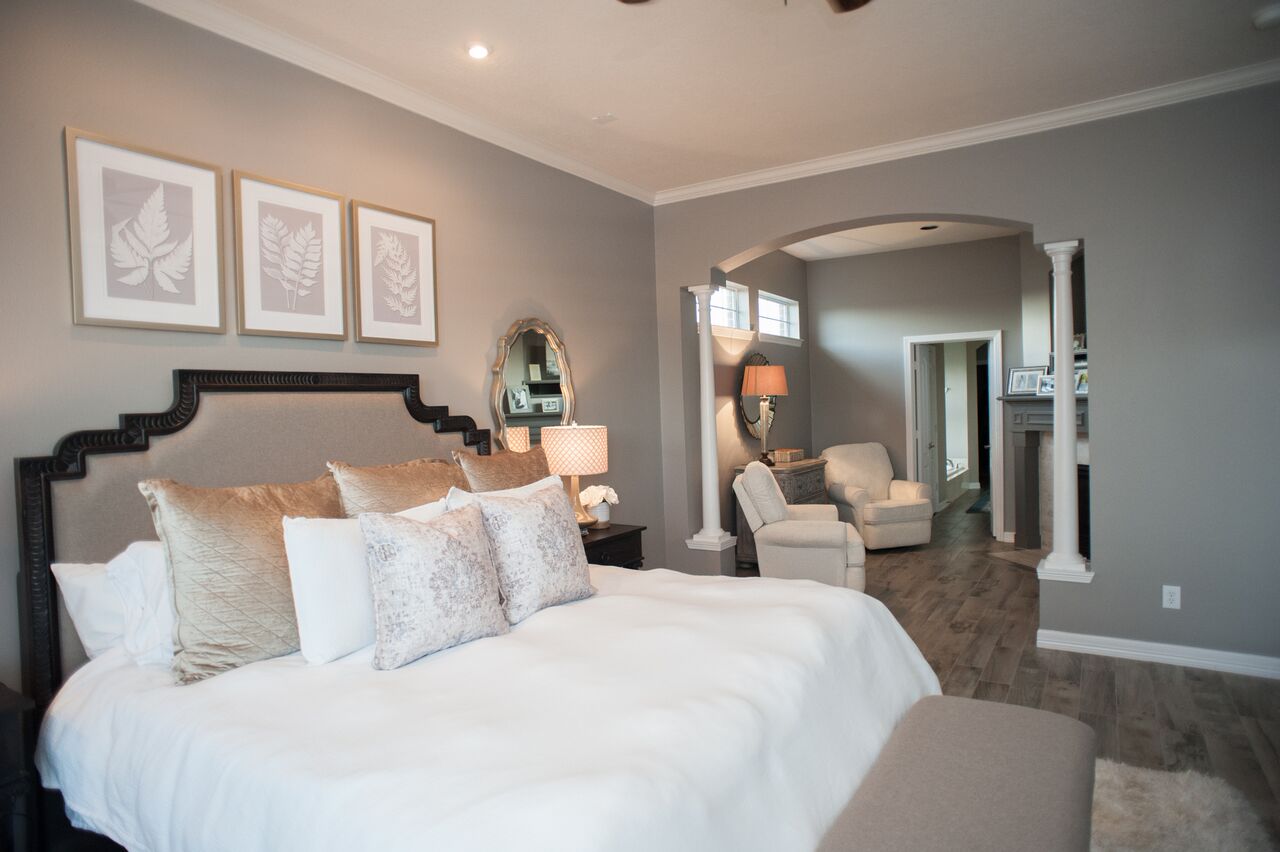
Bedroom renovations are about rest and privacy. The design priorities are different here. Lighting should be warm and dimmable. Storage should be built in where possible. The color palette should be calming. Avoid high-contrast color schemes in bedrooms — they stimulate rather than relax. For a bedroom renovation that works, think about the room at night, not just during the day. That is when you actually use it.
Interior design for home renovations is not one-size-fits-all. Your kitchen renovation needs different thinking than your bedroom renovation. But both need a plan before construction starts. If you are renovating multiple rooms, your designer will help you find the thread that connects them — a consistent material palette, a shared color story, a unified style direction. That connection is what makes a renovated home feel intentional instead of assembled room by room. It is the difference between a house that looks updated and a home that feels complete.
Interior design for home renovations is a process. It starts with a clear scope and a realistic budget. It moves through style decisions, material selections, and contractor coordination. It ends with a space that works the way you live and looks the way you want.
The biggest factor in renovation success is planning. Homeowners who plan their interior design before construction starts spend less, make fewer mistakes, and end up happier with the result. If you are ready to start your home renovation in the Houston area, Brown Interiors is ready to help. Deborah and her team have 30 years of renovation design experience across Pearland, Sugar Land, Katy, and the wider Houston metro. Visit Brown Interiors or call 281-412-5305 to schedule your design consultation today.
The homeowners who get the best results are the ones who come in with a clear picture of how they live — not just how they want the space to look. I can make any room beautiful. But if it does not work for your daily routine, it will frustrate you within a month. Good interior design for home renovations starts with the way you actually use your home, then builds the aesthetics around that reality.
Interior design for home renovations connects your construction work to your lifestyle goals. Plan the design before construction starts. Set a budget with a 15 to 20 percent contingency. Work with a designer who coordinates with your contractor. These three steps separate renovations that succeed from ones that disappoint.
Frequently Asked Questions
How much does interior design for home renovations cost in Houston?
Design consultation fees at Brown Interiors run $100 to $250 per session. Ongoing design support is $100 per hour. For full renovation design, fees depend on project scope. Most homeowners find that design fees represent a small fraction of total renovation costs. The savings from avoided mistakes typically cover the design fee many times over.
What is the first step in planning interior design for a home renovation?
Start by defining your scope. Decide which rooms you are renovating and what is changing in each one. Then set a budget range before you talk to anyone else. A design consultation comes next. Your designer uses your scope and budget to build a realistic plan. Skipping this order leads to scope creep and budget overruns.
Do I need an interior designer for a home renovation or can I do it myself?
Small cosmetic updates — paint, accessories, minor furniture changes — are manageable without a designer. But for structural renovations involving cabinetry, plumbing, electrical, or multiple rooms, a designer prevents costly mistakes. Renovation design decisions are highly interdependent. One wrong call early in the process creates problems that are expensive to fix later.
How long does interior design for a home renovation typically take?
The design phase for a single room typically takes two to four weeks. Full-home renovation design takes six to twelve weeks depending on complexity. Construction timelines vary separately. Kitchen renovations run six to twelve weeks of construction. Bathroom renovations run three to six weeks. Your designer can give you a more specific timeline after the initial consultation.
Which home renovation rooms give the best return on interior design investment?
Kitchens and bathrooms consistently return the most value in a home renovation. A well-designed kitchen renovation can return 60 to 80 percent of its cost in home value. Bathroom renovations return 50 to 70 percent. Family rooms and master bedrooms improve daily quality of life significantly. All four rooms benefit from professional renovation design to maximize both function and return.
Step-by-Step Process
Step-by-Step: Interior Design for Home Renovations
1. Define your renovation scope room by room
2. Set a budget with a 15 to 20 percent contingency
3. Book a design consultation before any other hiring
4. Build a style direction using photos and sample boards
5. Create a detailed space plan with your designer
6. Select all materials and finishes before construction starts
7. Get contractor bids based on the finalized design
8. Coordinate construction with your designer on site
9. Select and order furniture and window treatments
10. Style and accessorize the finished space
Quick Reference: What Is Interior Design for Home Renovations?
Interior design for home renovations is the process of planning how a renovated space will look, function, and flow. It covers space planning, material selection, color palettes, lighting design, furniture layout, and contractor coordination. It happens before construction starts. So it shapes every decision the contractor makes. Good renovation design connects the structural work to the aesthetic goals. It makes sure the finished space works for the people who live in it. It also makes sure the space looks intentional — not assembled piece by piece. Interior design for home renovations is different from decorating. Decorating happens after construction. Design happens before. Both matter. But design is the foundation.